
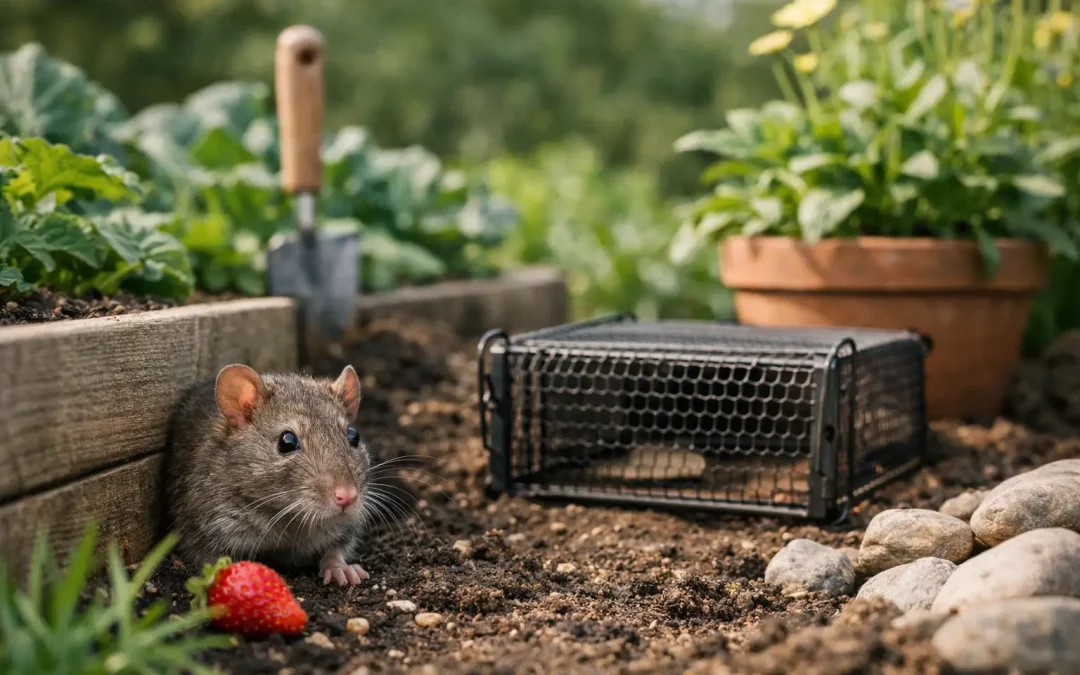
A tidy garden can still attract rats if it offers three things – food, water and cover. That is why knowing how to prevent rats in gardens is less about one quick fix and more about removing the conditions that let them settle in the first place. If you have started to notice burrows, droppings, gnaw marks or movement near sheds and fences, early action matters.
Why rats are drawn to gardens
Gardens give rats exactly what they need to survive close to homes and commercial premises. Dense planting, timber structures, compost heaps, bins and pet feeding areas all create opportunities. Once a rat finds a reliable food source, it will usually stay nearby and may breed quickly.
In residential settings, the usual draw is accessible food. Bird seed scattered beneath feeders, fallen fruit, unsecured refuse and pet food left outdoors are common causes. In commercial environments, the risk can be higher where external waste areas, storage yards, catering zones or drainage defects are involved.
Shelter is the second major factor. Rats prefer quiet, undisturbed spaces where they can move unseen. Overgrown borders, stacked materials, voids under decking and gaps beneath sheds are particularly attractive. A garden does not need to be neglected to become a problem area. Even a well-kept space can support rodent activity if there are hidden access points and regular feeding opportunities.
How to prevent rats in gardens at the source
The most effective approach is to make the area less useful to them. That starts with food management.
If you feed birds, keep it controlled. Use feeders designed to reduce spillage and clear seed from the ground regularly. Bird feeding is one of the most common reasons rats appear in otherwise well-maintained gardens. You do not always need to stop feeding birds entirely, but you do need to make sure you are not feeding rodents at the same time.
Bins should be fully closed and in good condition. If lids do not seal properly or bags are left beside bins, rats will investigate. The same applies to compost. Composting is not a problem in itself, but it needs to be managed properly. Cooked food, meat, fish and dairy should not go into an open compost heap. A secure compost bin is a better option, especially in smaller gardens or where rodent activity has already been seen.
Pet food is another frequent issue. Feeding cats or dogs outside and leaving bowls down overnight gives rats an easy meal. The same risk applies to chicken feed and animal feed in smallholdings or rural properties. Store all feed in hard, sealed containers rather than bags or lightweight plastic tubs.
Water also matters more than many people realise. Leaking outdoor taps, blocked drains, standing water in containers and badly managed pond edges can all help sustain rodent activity. Rats do not need much water, but a regular source makes a site more attractive.
Reduce shelter and nesting opportunities
Once food is under control, attention should turn to cover. Rats prefer to move along edges and under protection rather than across open ground. That means boundary lines, overgrown planting and cluttered corners deserve close inspection.
Keep shrubs and climbers trimmed back, especially around fences, walls and outbuildings. Ground cover plants can create ideal run routes if left too dense. If you store timber, pots, garden equipment or building materials outside, lift them off the ground where possible and avoid leaving undisturbed piles for long periods.
Decking is a common trouble spot. The space beneath it is dark, dry and often difficult to inspect. If there are signs of activity nearby, such as droppings or burrow holes at the edges, this area should be checked. The same applies to sheds. A shed with a damaged base or gaps underneath can become a harbourage very quickly.
There is a balance to strike here. Gardens should still be practical and enjoyable. The goal is not to strip everything back, but to remove the hidden, quiet spaces where rats can nest without disruption.
Proofing matters more than many people think
People often focus on what attracts rats into the garden, but not how they move between the garden and the building. That is a mistake. A garden infestation can become a property infestation if proofing is poor.
Check around sheds, garages, bin stores and external walls for gaps, broken vents and damaged doors. Rats can exploit surprisingly small openings and will enlarge weak points by gnawing. Drain covers, pipe entry points and broken air bricks are all worth checking.
Fencing also needs a realistic view. A fence alone will not stop rats. They can climb, dig and travel along shared boundaries with ease. However, keeping the base of fences clear and monitoring for burrows near posts and corners can help you spot activity early.
For homes and commercial premises alike, drainage defects are particularly significant. If rats are active in or around drains, garden activity may be only part of the issue. In those cases, surface measures on their own will not solve the problem.
Signs you should not ignore
The earlier you identify activity, the easier it is to deal with. Fresh burrows in soil, especially near sheds, compost bins, walls and decking, are a strong indicator. So are dark droppings, greasy rub marks along edges, gnawed wood or plastic, and repeated movement at dawn or dusk.
Dogs often pick up on rat activity before owners do, especially around one section of the garden. If a pet is repeatedly fixated on a compost bin, under a shed or beside a fence line, it is worth investigating. In commercial settings, staff reports of movement near waste areas or rear yards should be treated seriously and recorded promptly.
A single sighting does not always mean a large infestation, but it does mean conditions are suitable enough for a rat to be there. Waiting to see if the problem worsens usually gives it time to do exactly that.
What works, and what only works sometimes
People often ask about deterrents such as peppermint oil, ultrasonic devices or home remedies. In practice, these are unreliable. At best, they may disrupt activity briefly. They do not remove the reason rats are present, and they do not deal with established nesting or breeding.
Traps and bait can play a role, but they need to be used properly. There are safety considerations around children, pets and non-target wildlife, and there are legal and practical issues in commercial environments. Poor placement or unsuitable products can make the problem harder to monitor rather than easier to control.
This is where professional assessment becomes important. If rats are repeatedly returning, if burrows are active, or if the issue involves drainage, shared boundaries, outbuildings or business premises, a targeted treatment and proofing plan is usually the right next step. For regulated sectors in particular, a documented approach is essential.
Preventing repeat infestations
Long-term prevention depends on routine rather than one-off action. Gardens change through the year. Summer brings more feeding and growth, autumn increases food waste and fallen fruit, and winter pushes rodents towards shelter. That means prevention should be reviewed seasonally.
A simple habit of checking bin areas, compost, outbuildings and fence lines every couple of weeks can make a major difference. If your property backs onto open land, waterways, laneways or unmanaged ground, the risk may be higher and inspections should be more frequent.
For landlords, property managers and businesses, external rodent control should be part of wider site hygiene. Waste storage, vegetation management and proofing should not sit in separate boxes. They are connected. A clean internal environment can still be undermined by poor external conditions.
Where gardens form part of a larger site, such as care settings, catering premises or shared residential developments, prevention needs coordination. One neglected area can affect the whole perimeter. In those situations, professional monitoring gives far better control than reacting to complaints one by one.
Pest Pure Solutions often sees the same pattern across homes and commercial sites in Dublin, Kildare, Meath and Wicklow – rats are rarely there by chance. They are responding to access, shelter and a dependable food source. Once those factors are identified properly, control becomes far more effective.
If you want to prevent rats in gardens, think like a pest controller rather than a gardener for a moment. Look past the plants and surfaces, and focus on what the space provides. The fewer reasons a rat has to stay, the less likely it is to become a bigger problem.
Recent Comments