
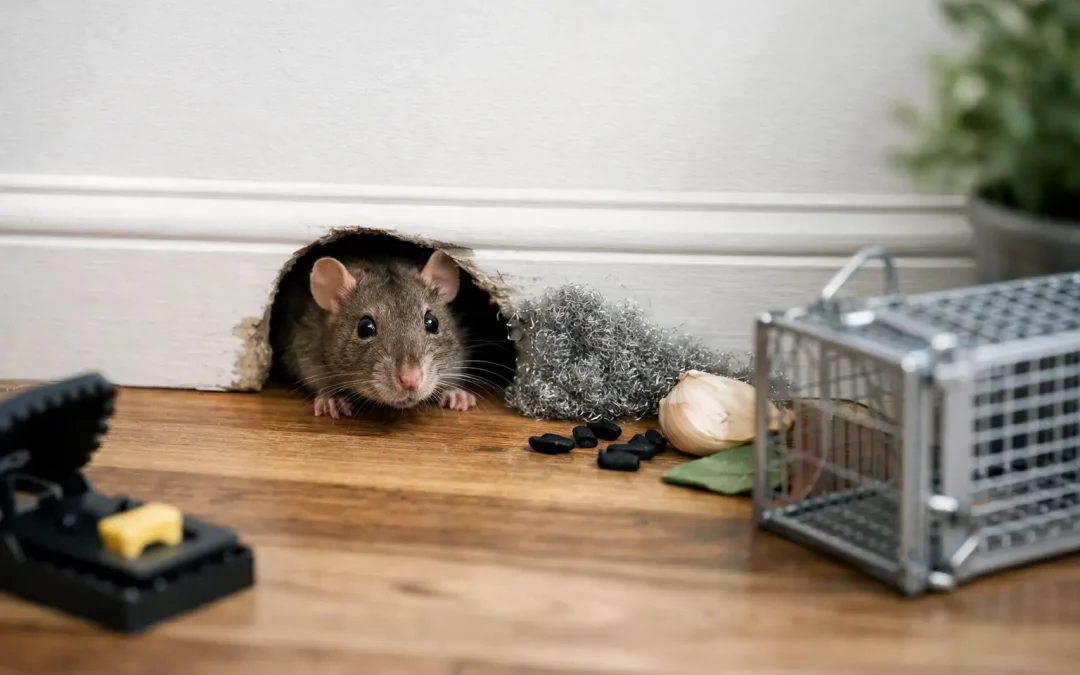
You clear the noise in the loft, remove the droppings, and for a week or two everything feels back to normal. Then the scratching starts again. If you are wondering how to stop rats returning, the answer is rarely a single treatment. Rats come back when the original attraction or access point is still there, even if the first infestation looked resolved.
That is why repeat rodent issues tend to follow a pattern. A food source remains easy to reach, a hidden entry point is left unsealed, or there is enough shelter around the property for nesting to start again. In homes, that often means kitchens, sheds, attics and gardens. In commercial settings, it may be bin stores, delivery areas, plant rooms, suspended ceilings or drainage routes. Stopping return activity means dealing with the cause, not just the rat you saw.
Why rats return after treatment
Rats are persistent because they do not need much to re-establish themselves. A gap the width of a thumb can be enough for access, and if warmth, food and cover are nearby, they will keep testing a building. This is why a property can seem clean and still suffer repeat activity.
In domestic properties, the most common reasons are bird seed, pet food, overflowing bins, gaps around pipework and overgrown gardens. In workplaces, the risks are usually more operational. Waste handling, stock storage, staff food areas, dock doors and drainage defects all create opportunities. Businesses in catering, care, logistics, waste and pharma also have an added pressure – one rat sighting can become a hygiene issue, a reputational problem or a compliance concern.
There is also a timing issue. If proofing is done too early, before rats have fully been brought under control, they may simply move to another part of the building. If it is done too late, they may already have established secondary nesting points. Effective prevention relies on inspection, treatment and exclusion working together.
How to stop rats returning at the source
The most reliable way to stop rats returning is to remove what attracts them and block how they are getting in. That sounds straightforward, but in practice it requires a methodical check of the whole property.
Start with food. Rats do not need a large supply to stay active. Loose grain, poorly stored dry goods, food waste in external bins, pet food left overnight and even grease build-up around waste areas can be enough. In commercial premises, damaged stock, unsecured ingredients and untidy staff break areas are common weak points. Any ongoing food availability will undermine treatment.
Next, look at water and shelter. Leaking outdoor taps, condensation points, blocked gutters, cluttered sheds, stacked materials and dense vegetation all make a site more attractive. Rats prefer to travel under cover, so ivy, pallets, unkempt corners and items stored directly against walls can all help them move unseen.
Then assess the structure itself. Common entry points include broken air bricks, gaps beneath doors, openings around cables and pipes, damaged drains, broken vents and faults where extensions meet older brickwork. Loft spaces and roof voids should not be overlooked, especially where branches overhang or tiles are disturbed.
Proofing matters more than most people expect
A lot of repeat infestations happen because the immediate problem was treated, but the property was not properly proofed. Baiting or trapping can reduce current activity, but if there is still access, another rat can move in.
Proofing needs to be done with the right materials. Expanding foam on its own is not rodent proof. Rats can gnaw through plastic, timber and poor-quality fillers surprisingly quickly. Depending on the area, proper proofing may involve wire mesh, metal plates, bristle strips, concrete repair, drain protection or door upgrades. The correct solution depends on where the vulnerability is and whether it affects a home, warehouse, kitchen or healthcare environment.
There is also a balance to strike. Sealing every visible gap without understanding active routes can trap rodents indoors or push them into harder-to-monitor voids. That is one reason professional inspections are valuable, particularly where activity has persisted for some time or where the building is large and complex.
External areas are often the real problem
People tend to focus on the room where they heard movement, but return infestations often start outside. Rats will nest under decking, in overgrown boundaries, beneath sheds, inside compost heaps and around drains before entering the main building.
If external conditions stay favourable, indoor treatment becomes a short-term fix. Keep vegetation cut back, avoid storing materials directly on the ground, repair damaged gullies and make sure bin lids close fully. For businesses, waste compound management is critical. If bins are overflowing, left open or surrounded by spillages, rat pressure can remain high no matter how often internal treatment is repeated.
Cleanliness helps, but it is not the full answer
A common misconception is that rats only infest dirty properties. In reality, they are opportunistic. A well-kept home can still have a rodent issue if there is access to a loft void or food left out for pets. A clean commercial site can still be vulnerable if there is a drainage defect or a poorly managed external area.
That said, hygiene standards do make a difference. Regular cleaning reduces attractants, makes droppings or gnawing easier to spot and supports faster intervention. In commercial settings, good hygiene also strengthens audit readiness and helps demonstrate due diligence. Where a sector is tightly regulated, documented inspections and trend monitoring are often just as important as treatment itself.
Monitoring prevents the next infestation
If you have had rats once, it makes sense to assume the site may be tested again. Monitoring is what turns prevention from a one-off effort into an ongoing control measure.
In a home, that may mean checking the loft, shed or kitchen kickboards for signs every few weeks, especially in colder months. In business premises, monitoring should be more formal. That can include scheduled inspections, bait station checks where appropriate, trend reporting and recorded recommendations for maintenance teams or site managers.
This is particularly important for larger sites or industries where a pest issue can interrupt operations. A logistics hub, food business, care setting or pharmaceutical environment needs more than reactive treatment. It needs a prevention plan with accountability behind it.
When DIY works and when it usually does not
For very early signs, basic housekeeping and sealing a small visible gap may help reduce the risk. If there has been one isolated issue in a shed or outbuilding, prompt action can make a real difference.
But persistent activity, repeat infestations, signs in multiple areas or any issue in a commercial premises usually needs a more technical response. Rats are cautious, often nest out of sight and can move through wall cavities, drains and ceiling voids without being noticed. If bait has been used incorrectly, there is also a risk of poor results, avoidable hazards to pets or non-target wildlife, and dead rodents in inaccessible spaces.
Professional treatment is not only about removal. It is about identifying harbourage, understanding behaviour, choosing the right control method and closing the route back in. For businesses, it also provides the reporting and traceability needed to protect standards and demonstrate control measures.
How to stop rats returning in homes and businesses
The principle is the same in both settings, but the level of control differs. In a family home, prevention often comes down to secure food storage, external maintenance and proofing vulnerable gaps. In rented properties, landlords should also take structural issues seriously rather than relying on repeated call-outs.
In commercial buildings, prevention needs a wider view. Deliveries, waste movement, staff habits, drainage, contractor work and building fabric all affect rodent risk. One weak point can undermine the rest of the site. That is why recurring rat problems in businesses are often solved through a combination of treatment, proofing, hygiene improvements and routine inspections rather than a single visit.
For properties across Dublin, Kildare, Meath and Wicklow, seasonal changes also matter. Colder weather tends to push rats closer to heated buildings, while summer growth can increase external harbourage. Prevention works best when it is treated as an ongoing part of property care, not something to revisit only after fresh signs appear.
If rats have returned more than once, the issue is unlikely to be bad luck. It usually means something on the site is still giving them what they need. The sooner that is identified and corrected, the better the result. A thorough inspection, proper proofing and consistent monitoring will always outperform repeated short-term fixes, and that is what gives a property the best chance of staying rat free.
Recent Comments