
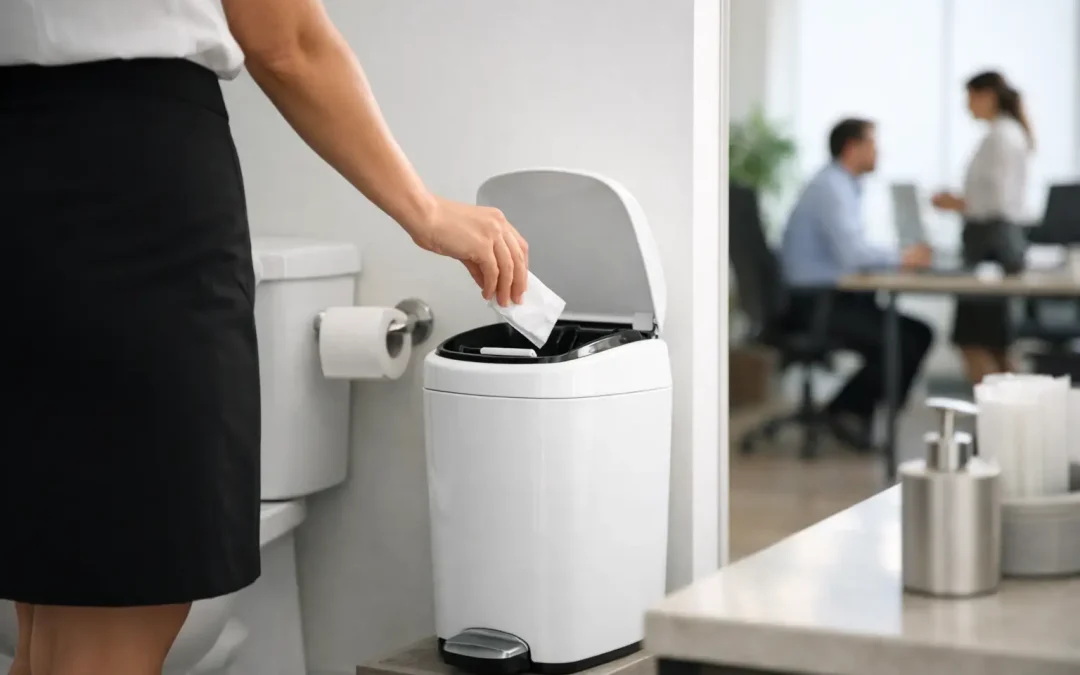
A poorly managed washroom is noticed faster than most facilities issues. Overflowing bins, missed collections or the wrong disposal setup can quickly affect hygiene standards, staff confidence and the impression your premises leave on visitors. For any business reviewing its washroom arrangements, a reliable sanitary bin service Dublin providers offer is not just about convenience – it is part of maintaining a safe, compliant and professional environment.
Why sanitary bin servicing matters more than many businesses realise
Sanitary waste disposal is a routine requirement, but it sits in a category of hygiene services that often only gets attention when something goes wrong. In practice, regular servicing supports far more than appearance. It helps reduce odours, limits the risk of contamination, keeps washrooms fit for use and shows that the business takes welfare seriously.
That matters across almost every sector, but the stakes are higher in some settings than others. In offices, neglected washrooms undermine staff wellbeing and workplace standards. In care environments, hygiene failures raise obvious safeguarding concerns. In hospitality, retail and customer-facing premises, washroom condition feeds directly into how the wider operation is judged. In regulated sectors, poor sanitary disposal arrangements can become part of a wider compliance problem.
A good service should be discreet and dependable enough that it never becomes the issue people remember.
What a sanitary bin service in Dublin should include
The basic requirement is straightforward: suitable units installed in the right cubicles and collected on an agreed schedule. But the standard of service can vary significantly, and that is where businesses need to look beyond price alone.
A professional sanitary bin service in Dublin should include the supply of appropriate bins, scheduled exchange or servicing, safe handling of waste, and a clear process that aligns with current hygiene expectations. The service should also be reliable enough to reflect the actual usage of the premises. A small office with limited footfall will not need the same frequency as a busy restaurant, medical setting or multi-storey workplace.
This is where tailored service matters. If collections are too infrequent, bins fill too quickly and odour issues follow. If they are too frequent, you may be paying for a level of servicing the site does not need. The right provider will assess the building, understand occupancy patterns and recommend a sensible schedule rather than forcing every customer into the same plan.
Discretion is another practical point. Washroom services should be handled professionally, with minimal disruption to staff, residents, patients or visitors. For many organisations, especially in healthcare, residential care and managed commercial buildings, that standard of professionalism is non-negotiable.
Compliance, duty of care and reputational risk
Sanitary waste is not ordinary general waste, and it should not be treated as an afterthought. Businesses have a duty to manage waste streams correctly and maintain appropriate hygiene standards within staff and public facilities. Even where regulation is not the primary concern, there is still a clear duty of care to employees, customers and contractors using the premises.
For some operators, this is directly linked to audits, inspections and documented hygiene processes. For others, the risk is more immediate and visible. A washroom complaint from staff can escalate into a facilities issue very quickly. A poor customer experience can damage confidence in the wider business. In settings such as clinics, care homes, food environments and logistics hubs, hygiene standards influence operational credibility as much as service quality does.
That is why sanitary bin servicing should sit within a broader hygiene plan, not be managed as a low-priority box-ticking exercise.
Choosing the right setup for your premises
Not every site needs the same washroom service model. The right arrangement depends on building layout, user numbers, industry requirements and whether the premises are staff-only, public-facing or mixed use.
An office may need a simple and consistent service across a smaller number of cubicles, with flexibility to adjust if staffing levels change. A healthcare setting may need stricter servicing intervals and stronger emphasis on documented hygiene control. A hospitality venue may need frequent attention because washrooms influence customer perception in real time. Multi-tenant buildings and managed facilities often need a provider that can work around multiple stakeholders without causing disruption.
It is also worth thinking about the wider washroom environment. Sanitary disposal does not operate in isolation. Air care, soap supply, hand drying and general cleanliness all contribute to the standard users experience. Businesses often get better results when these services are considered together, because gaps in one area can undermine the rest.
Signs your current service is not working
In many cases, businesses keep an underperforming provider for too long because the problem feels minor until complaints start. There are usually early warning signs.
Missed or inconsistent collections are the clearest one. If bin servicing dates are slipping, confidence in the whole hygiene programme starts to weaken. Persistent odours are another sign, though they do not always mean the washroom itself is being cleaned poorly. Sometimes the issue is simply that collection frequency no longer matches usage. Overfilled units, damaged bins, poor communication and a lack of service accountability also point to a provider that may not be properly managing the contract.
There is also the issue of responsiveness. If your site changes, opening hours extend, headcount increases or one area of the building starts seeing heavier use, your service should adapt. A rigid contract can become a problem in itself.
Why local coverage and responsiveness make a difference
For businesses operating in and around the capital, choosing a provider with genuine operational coverage matters. A sanitary bin service Dublin businesses rely on should not be built around long delays, vague service windows or remote account handling that leaves facilities teams chasing answers.
Local service capacity usually translates into better reliability, faster response when adjustments are needed and a stronger understanding of how different premises operate across the city and surrounding counties. That is particularly relevant for businesses with multiple sites or a mix of office, retail, industrial and care settings.
Responsiveness is not only about emergencies. It also matters when a site needs an additional unit, a revised collection frequency or support integrating washroom services into a larger hygiene or pest management plan. A provider that already understands hygiene risks at site level is often better placed to spot practical issues before they become complaints.
The value of a service-led provider
The strongest providers approach sanitary waste disposal as part of a wider hygiene responsibility. That means they do not simply place units and collect them. They look at suitability, servicing intervals, washroom presentation, user welfare and, where relevant, how the service fits with compliance expectations.
For commercial operators, this service-led approach is often more valuable than a cheaper basic contract. It reduces the likelihood of missed servicing, helps maintain standards across the premises and gives facilities managers more confidence that one important part of the building is being handled properly.
For regulated sectors, that confidence is even more important. When hygiene standards are under scrutiny, every supporting service needs to be dependable. A provider with experience across sensitive environments understands that documentation, consistency and professionalism matter just as much as the collection itself.
Pest Pure Solutions works with businesses that need practical, compliant hygiene support alongside broader site protection measures. That joined-up approach can be useful where washroom services form part of a larger facilities and hygiene requirement.
Making the service fit the building
The best sanitary bin arrangements are rarely the most complicated. They are simply the ones that fit the building properly. That means enough units in the right places, serviced at the right intervals, by a provider that turns up as agreed and deals with the work professionally.
It also means reviewing the setup occasionally. Buildings change. Occupancy changes. Tenants change. A washroom that worked well two years ago may now need a different servicing pattern. Treating sanitary disposal as a static service can lead to avoidable issues.
A dependable provider should be willing to review the site, advise on what is necessary and recommend a contract that reflects actual use rather than a standard package. That is often where long-term value is found – not in the cheapest quote, but in a service that quietly does its job and protects standards day after day.
If your washroom services are only being noticed when something goes wrong, that is usually the moment to improve them. A professional sanitary bin service should support hygiene, reassure users and help your premises run to the standard your staff and visitors expect.
Recent Comments