
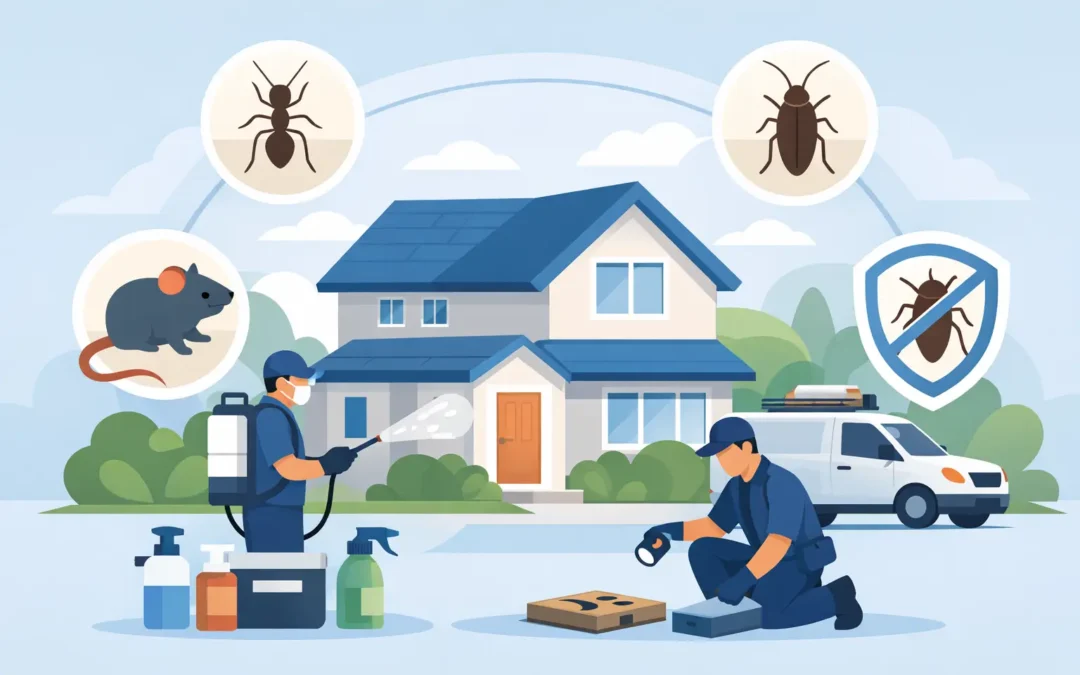
A rat in the attic, a wasp nest above the back door, ants crossing the kitchen worktop – these are not problems most households can afford to leave for another week. Residential pest control services are there to deal with the immediate issue, but the best results come from treating the cause as well as the pest you can see.
For homeowners, landlords and tenants, the real concern is rarely just inconvenience. Pest activity affects hygiene, damages property, unsettles families and can quickly spread through a house if the problem is missed early. That is why professional treatment matters. A proper service should identify the pest accurately, assess the level of activity, choose the right control method and put sensible proofing in place to reduce the chance of it returning.
What residential pest control services should include
Good residential pest control services are not limited to spraying or laying bait and hoping for the best. A professional visit begins with inspection. Entry points, harbourage areas, food sources and moisture issues all need attention because those conditions often explain why pests have settled in the first place.
In practical terms, most domestic treatments fall into three parts. First, there is identification and eradication. Second, there is advice on housekeeping, storage, waste management or structural defects that may be contributing to the issue. Third, where needed, there is pest proofing to close gaps, protect vents or prevent re-entry. That combination is what separates a quick fix from a reliable result.
For some infestations, one visit is enough. Wasp nests, for example, can often be resolved promptly when treated at the right stage. Bed bugs, rodents and cockroaches are different. They may require follow-up visits, monitoring and a more methodical treatment programme. The right approach depends on the pest species, the size of the infestation and the layout of the property.
Common household pests and how they are handled
Rodents in lofts, kitchens and wall voids
Rats and mice are among the most disruptive domestic pests because they contaminate surfaces, damage insulation, chew wiring and move through hidden areas of the property. Hearing scratching at night or finding droppings under the sink usually means the problem is already established.
Professional rodent control involves more than placing bait boxes. Access routes around pipework, air bricks, doors and broken drains may need investigation. In some cases, trapping is appropriate. In others, secure baiting and a staged treatment plan are more effective. The key point is that without proofing, rodents often return by the same route.
Wasps around roofs and gardens
A single wasp indoors may be accidental. A steady stream entering roof level or a shed usually points to an active nest. Attempting to remove a nest without the right equipment creates unnecessary risk, especially where children, pets or allergy concerns are involved.
A professional treatment targets the nest directly and assesses whether there may be more than one site on the property. Timing also matters. During peak season, quick action tends to prevent the problem becoming more aggressive and more disruptive.
Ants in kitchens and paving
Ant activity often increases in warmer months, but indoor trails can persist if the nest is nearby or already established inside wall cavities or under floors. Shop-bought products may break the visible trail without reaching the colony.
Effective ant control depends on identifying the source and selecting the correct treatment for the species and location. External nests near paving, internal harbourage points and food storage habits all need to be considered if the result is meant to last.
Bed bugs, cockroaches and other persistent infestations
Some pests are less common in family homes but far more difficult to remove once established. Bed bugs spread through bedrooms and soft furnishings, while cockroaches thrive in warm, hidden spaces with access to food and moisture. Silverfish and moths can also become ongoing issues where conditions suit them.
These cases require a careful and discreet process. Treatment may include multiple visits, detailed preparation instructions and close attention to where pests hide between active periods. There is no value in under-treating these infestations. Thoroughness is what prevents repeat disruption.
Why professional treatment is usually the safer option
Home remedies and retail products can appear cheaper at first, but they often fail because the pest has been misidentified or the treatment has been used in the wrong place. That creates two problems. The infestation continues, and the household is left dealing with unnecessary chemical exposure or a false sense of security.
Professional technicians are trained to assess risk, choose appropriate products and apply them safely. That matters in homes with young children, pets, elderly residents or anyone with respiratory concerns. It also matters when pest activity is linked to hygiene-sensitive areas such as kitchens, utility rooms and food storage cupboards.
There is also the question of discretion and speed. Most homeowners do not want a pest issue becoming a long-running disruption. A professional service should be responsive, measured and clear about what happens next, including whether follow-up treatment is necessary.
Choosing the right residential pest control services
Not every household pest issue needs the same level of intervention, so choosing the right provider comes down to more than availability. Experience with domestic infestations is essential, but so is a practical understanding of prevention. If the service ends the moment the visible pests are gone, you may be paying for a temporary result.
Look for a provider that offers inspection-led treatment rather than a one-size-fits-all answer. Good residential pest control services explain the likely source of the infestation, the treatment method being used and what the occupier should do before and after the visit. Clear communication is a sign of a professional operation.
It is also worth asking whether proofing work is available. Sealing gaps, fitting mesh, addressing entry points and improving hygiene controls can make a significant difference, especially with rodents, flies and birds around the exterior of a property. A company with broader hygiene expertise can often provide a more complete solution than a basic extermination-only service.
When one-off treatment is enough and when ongoing support helps
For many domestic call-outs, a one-off treatment is perfectly suitable. A wasp nest or an isolated ant problem may not need more than a single targeted visit and some practical advice. In those cases, the goal is quick resolution with minimal disruption.
Other situations benefit from follow-up. Recurrent rodent activity, repeat fly issues, or infestations in rental properties with changing occupancy often need monitoring as well as treatment. Older buildings can also present ongoing vulnerabilities because of gaps, ageing fabric and hidden access points.
This is where a tailored approach matters. A household dealing with an urgent infestation has different needs from a landlord managing several properties, and both need a service that is responsive, discreet and evidence-based. Pest Pure Solutions takes that approach by combining treatment with practical proofing and prevention advice suited to the property.
Preventing pests after treatment
Prevention is rarely glamorous, but it is what protects the result. Once an infestation has been dealt with, small changes around the home can make a substantial difference. Food should be stored securely, waste should not be allowed to build up, and minor structural gaps should not be ignored just because they appear harmless.
Moisture control is another common factor. Leaking pipework, condensation in utility spaces and poorly ventilated areas create conditions that attract several pest species. Likewise, clutter in lofts, under stairs and in garages gives pests cover and nesting opportunity.
The aim is not to make a home sterile. It is simply to remove the easy access, food and shelter that allow a minor issue to become an established infestation. Professional advice is especially valuable here because prevention needs to match the pest involved. What helps deter ants may do very little for mice, and what limits wasp activity will not solve a bed bug problem.
A practical service for a sensitive issue
Most people do not want to think about pests until they have to. When the issue appears, what matters is a service that responds quickly, treats the problem properly and helps prevent it happening again. That is the standard homeowners should expect from residential pest control services.
If a pest problem is affecting your home, the best next step is a proper inspection. A clear diagnosis and a treatment plan grounded in experience will always take you further than guesswork, and it gives you something every household wants back as quickly as possible – peace of mind.
Recent Comments