
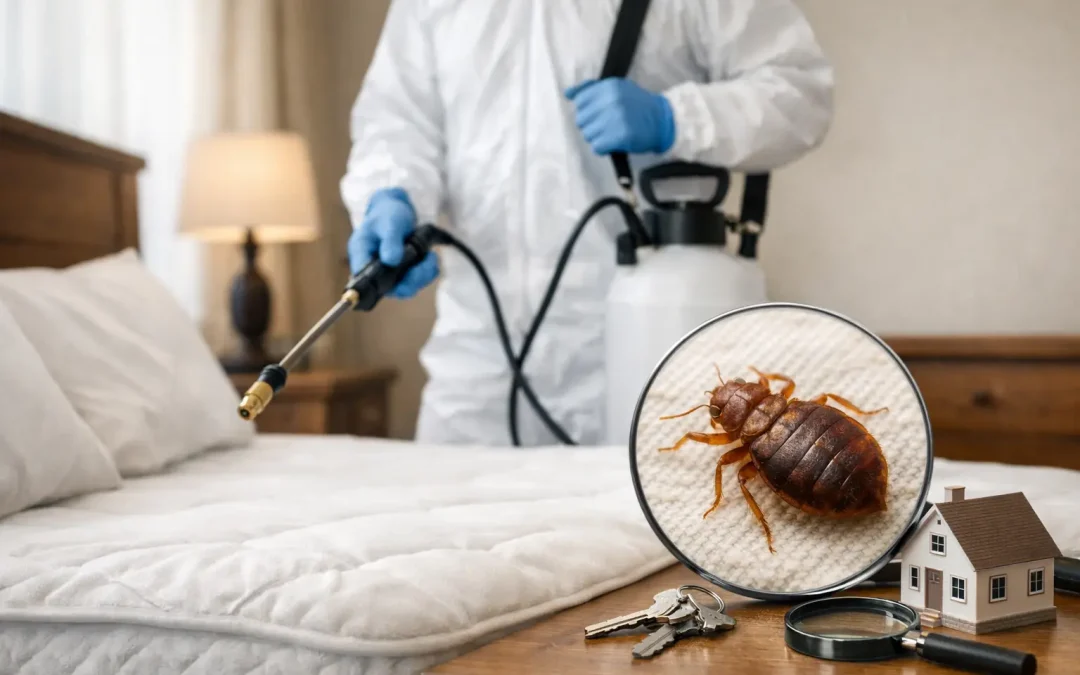
A tenant reports bites after three nights in the spare room, and suddenly a routine maintenance issue becomes a hygiene problem, a reputational risk, and a potential dispute over responsibility. This bed bug treatment guide for landlords is designed to help you respond quickly, protect the property, and avoid the delays that allow an infestation to spread.
Bed bugs are not a sign of poor housekeeping. They travel in luggage, clothing, used furniture, and soft furnishings, which means they can appear in well-kept homes, HMOs, student lets, and short-term rental properties alike. For landlords, the real issue is not blame. It is how fast the problem is identified, how clearly it is documented, and whether treatment is carried out properly.
Why bed bugs are different from other pest issues
Bed bugs are difficult because they hide extremely well and feed at night, often without being seen. A tenant may only notice bites, blood spotting on bedding, or small dark marks around mattress seams before the insects themselves are found. By the time there is a confirmed sighting, they may already be established in the bed frame, skirting edges, bedside furniture, curtain folds, and upholstered seating.
They also create a different kind of complaint from rodents or wasps. Tenants often feel anxious, embarrassed, and frustrated, especially if sleep has been affected. In rental housing, that can quickly become a trust issue. A slow or dismissive response tends to make matters worse, even when the original infestation was introduced recently and without any fault on the landlord’s side.
Bed bug treatment guide for landlords: first response
The first step is to treat the report seriously. Do not advise the tenant to try a few sprays and wait. Shop-bought products rarely solve an established infestation and can scatter activity into other rooms if they are used incorrectly. What looks like a minor issue in one bedroom can become a whole-property treatment if action is delayed.
Ask for clear details straight away. When were bites first noticed? Which rooms are affected? Has the tenant seen live insects, cast skins, spotting on sheets, or marks on the mattress? Have any second-hand items recently been brought into the property? This information helps establish urgency and gives your contractor a more accurate starting point.
It is also sensible to ask for photos if available, although landlords should be careful not to rely on photos alone. Bed bug evidence is often missed or misidentified. A professional inspection is usually the most reliable next step.
Confirming the infestation properly
Landlords often lose time trying to work out whether the issue is definitely bed bugs. In practice, that delay can be expensive. A professional inspection provides clarity and creates a documented record of what was found, where activity was identified, and what treatment is recommended.
Inspection matters for another reason as well. Not every biting complaint is caused by bed bugs. Fleas, skin reactions, mosquitoes, mites, or unrelated dermatological issues can be mistaken for them. A proper inspection prevents the wrong treatment, which saves time and avoids unnecessary cost.
In multi-room lets, blocks, and properties with frequent turnover, inspection may need to go beyond the reported bedroom. Bed bugs can travel between rooms through furniture movement, luggage, and close living arrangements. In some cases, adjoining areas should be checked at the same time to contain the problem properly.
Who is responsible for treatment?
This is often where landlord and tenant relationships become strained. Responsibility can depend on tenancy terms, the condition of the property at move-in, how soon the issue was reported, and whether there is evidence of pre-existing infestation. There is no single answer that covers every case.
From a practical standpoint, landlords are usually best served by focusing first on control, then on any cost discussion once facts are clearer. If bed bugs were present before the tenancy began, treatment is generally a landlord matter. If there is credible evidence the infestation was introduced during occupancy, some landlords may seek contribution from the tenant. Even then, a confrontational approach at the outset can delay treatment and increase the final cost.
The strongest position is a documented one. Check inventory reports, move-in condition notes, previous pest history, and communication records. If the property is part of a managed portfolio, consistent reporting procedures help avoid disputes later.
Choosing the right treatment approach
Professional bed bug control is rarely a one-visit issue. Effective treatment usually involves inspection, a targeted insecticidal or heat-based approach where appropriate, follow-up visits, and clear preparation instructions for the tenant. The right method depends on the level of infestation, layout of the property, furnishings, and whether there are vulnerable occupants such as children, elderly residents, or pets.
Chemical treatment can be effective when applied correctly to harbourage areas, not just exposed surfaces. It requires technical knowledge, correct product selection, and careful follow-up because eggs may hatch after the initial visit. Heat treatment can produce faster knockdown in some cases, but it is not automatically the best option for every property. Room contents, heat-sensitive items, access limitations, and budget all matter.
A dependable contractor should explain what is being treated, how many visits are likely, what preparation is needed, and what signs of residual activity the tenant might still see after treatment. That kind of clarity reduces repeat complaints and helps everyone understand the process.
Preparing the property without making the problem worse
Preparation is essential, but over-handling infested rooms can spread bed bugs into hallways, vehicles, and unaffected spaces. Tenants should not start carrying loose bedding through the property or disposing of furniture without advice. That often turns a contained bedroom issue into a wider infestation.
Usually, bedding and clothing from affected rooms will need to be bagged before removal, then washed and dried at appropriate temperatures. Clutter should be reduced carefully so hiding spots can be accessed. Bed frames, mattresses, bedside units, and soft furnishings may all need examination and treatment. Vacuuming can help, but it is not a substitute for professional control.
For landlords, the key is to give consistent instructions and make sure they come from the treatment provider. Mixed messages from agents, tenants, and online advice tend to undermine results.
Communication with tenants during treatment
Good communication is part of the treatment plan. Tenants need to know what will happen, how to prepare, when re-entry is allowed if relevant, and why follow-up matters. They also need reassurance that bed bugs are a recognised pest issue that can be addressed professionally.
Landlords should keep communication factual and documented. Avoid language that implies fault before the facts are known. Focus on access arrangements, preparation requirements, and reporting of any further activity after the first visit. Where a property is tenanted by multiple occupants, communication needs to be coordinated so one room is not treated while another remains untouched and active.
This is particularly important in shared accommodation and higher-turnover housing. A piecemeal response may look cheaper at first, but it often leads to repeat call-outs, prolonged disruption, and greater tenant dissatisfaction.
Costs, delays, and the price of getting it wrong
The direct cost of treatment is only part of the picture. Delays can lead to replacement of mattresses or soft furnishings, void periods, management time, complaints, and in some cases wider spread across a portfolio. Bed bugs are one of those pest issues where hesitation often costs more than action.
That does not mean every report requires the most expensive treatment available. It does mean landlords should be wary of the cheapest option if it offers no inspection, no follow-up, and no clear documentation. Value comes from correct identification, a treatment plan suited to the property, and evidence that the issue has been addressed properly.
For landlords managing properties in Dublin and surrounding counties, where tenant turnover and travel patterns can increase exposure risk, speed and discretion are especially valuable. A professional service with clear reporting can make the difference between a contained incident and a drawn-out management problem.
Prevention after clearance
A strong bed bug treatment guide for landlords should not stop at elimination. Once the infestation is cleared, review how the property is managed. Mattress encasements may be appropriate in some settings. Regular inspection of furnished rooms, especially after changeover, can help catch early signs. Second-hand furniture should never be introduced without careful checks.
Inventory and check-in procedures also deserve attention. If a property is furnished, recording the condition of beds, headboards, and soft furnishings can be useful later. In short-term or frequent-let settings, prompt housekeeping reports are often the earliest warning system.
For managed portfolios, a simple internal process works well: log reports immediately, arrange inspection quickly, document findings, and ensure follow-up is completed before the issue is closed. That is not over-management. It is how landlords reduce repeat incidents and protect both the tenant experience and the asset itself.
When bed bugs appear, the priority is not to win an argument about how they arrived. It is to get the problem under control with a methodical, professional response that protects people, property, and confidence in the tenancy.
Recent Comments