
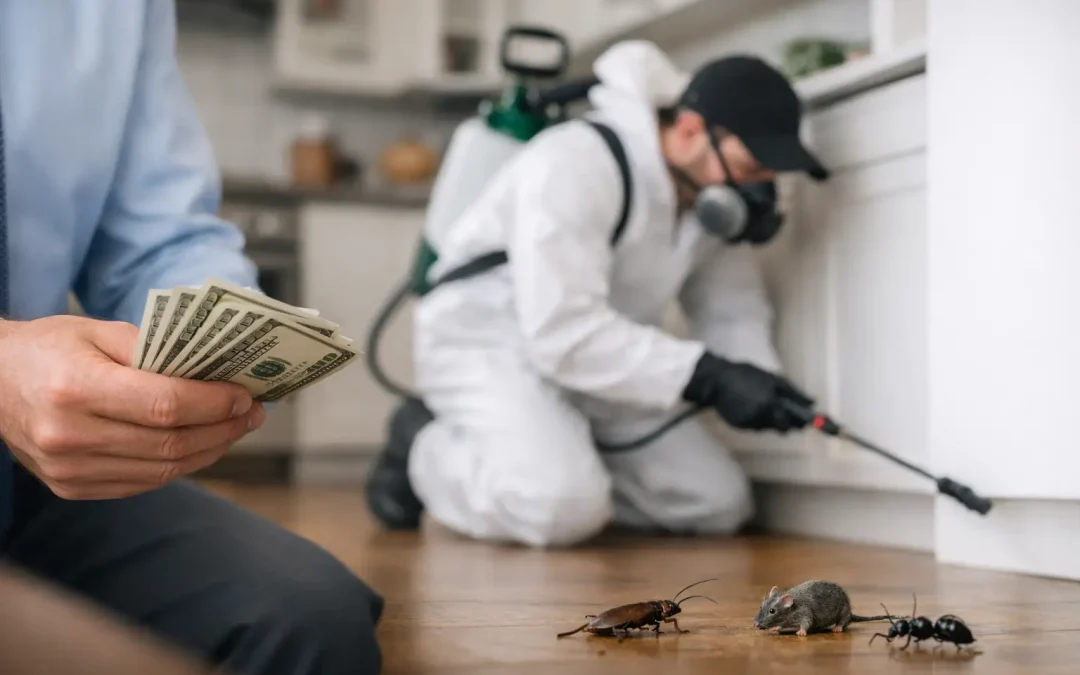
A tenant reports mice in the kitchen two weeks after moving in. Another calls six months into a tenancy because fleas have appeared in the bedroom carpet. The question sounds simple, but in practice, do landlords pay pest control depends on what caused the issue, when it started, and what the tenancy agreement says.
For landlords, pest problems are rarely just about cost. They can affect habitability, tenant relations, void periods, and in some cases, wider hygiene or reputational risk. For tenants, the concern is usually more immediate – who is going to fix this, how quickly, and who is footing the bill. The right answer is rarely based on assumption. It comes down to responsibility, evidence, and prompt action.
Do landlords pay pest control in rented property?
In many cases, yes – but not automatically in every situation. A landlord is generally responsible where pests are linked to the condition of the property, structural defects, or an infestation that was already present when the tenancy began. If rats are getting in through damaged drains, gaps around pipework, broken air bricks, or other access points caused by disrepair, it is difficult to argue that this is the tenant’s responsibility.
The same applies where a property is not in a fit state to let. If there is a pre-existing mouse infestation in the loft, bed bugs left behind after a previous tenancy, or a significant wasp nest in a roof void that was clearly present before move-in, the landlord would usually be expected to deal with it.
That said, not every pest issue points back to the building. If the problem has arisen because of how the property is being occupied or maintained, the cost may sit with the tenant instead.
When pest control is usually the tenant’s responsibility
If an infestation is caused by day-to-day living conditions, landlords may have grounds to refuse payment. Common examples include food waste being left out, overflowing bins, poor cleaning standards, storing pet food improperly, or bringing infested second-hand furniture into the property.
Fleas are a typical example. If a tenant has pets and the infestation is linked to those animals, the landlord will usually expect the tenant to arrange and pay for treatment. The same can apply to bed bugs if there is no evidence the issue existed before the tenancy and signs suggest they were introduced during occupation.
This is where disputes often begin. Tenants may feel they are being blamed unfairly. Landlords may believe they are being asked to fund a problem they did not create. In reality, pest control responsibility often turns on evidence rather than opinion.
The cause of the infestation matters most
The key issue is not simply what pest is involved, but why it is there. Mice can enter because of structural gaps, but they can also thrive where food is easily available. Cockroaches may point to poor housekeeping, but in some multi-occupancy buildings they can spread between units regardless of how careful one tenant is. Ants may be seasonal and relatively minor, or they may be entering through defects in walls or flooring.
That is why a professional inspection is often the most sensible first step. A qualified pest control technician can identify signs of activity, likely entry points, nesting areas, and environmental factors that are driving the infestation. That gives both landlord and tenant something more reliable than guesswork.
Where there is a dispute, a written report can be especially useful. It helps establish whether the issue is likely to be historic, structural, behavioural, or a combination of factors. In some cases, responsibility is shared. A landlord may need to proof access points while the tenant improves storage and housekeeping standards.
What tenancy agreements usually say
Tenancy agreements often include clauses requiring tenants to keep the property clean and avoid attracting pests. Some also state that tenants are responsible for infestations that arise during the tenancy unless there is evidence of structural failure or pre-existing activity.
Those clauses matter, but they are not a catch-all solution. A landlord cannot simply point to a general cleaning clause if the real issue is a damaged drain or holes around service entries. Equally, a tenant cannot assume that any pest sighting automatically becomes the landlord’s bill.
If you are a landlord, it is worth reviewing the wording in your tenancy agreements. Clear clauses around cleanliness, reporting issues promptly, pet ownership, waste handling, and access for treatment can prevent a minor pest issue from becoming a larger dispute.
Timing can change who pays
A pest problem reported in the first few days or weeks of a tenancy raises different questions from one reported after many months. Early reports may suggest a pre-existing issue, particularly where there are obvious signs such as droppings, nests, damage, or long-standing harbourage points.
Later reports are less clear-cut. A new infestation may still result from structural defects, but it may also be linked to changes in tenant behaviour, neighbouring activity, refuse management, or seasonal pest pressure. Wasps in summer, cluster flies in autumn, and rodents in colder months can appear even in otherwise well-kept properties.
This is why records matter. Inventory notes, check-in reports, photographs, previous treatment reports, and maintenance history can all help establish whether the issue was likely there already or developed later.
Shared buildings and flats are more complicated
In flats, HMOs, and multi-unit buildings, responsibility can become less straightforward. If pests are moving through communal areas, wall voids, bin stores, service risers, or shared drainage, the problem may sit partly with the building owner, managing agent, or freeholder rather than with one individual landlord or tenant.
This is especially common with mice, cockroaches, ants, and bed bugs. One flat may report the issue first, but that does not mean that flat caused it. In these settings, isolated treatment can fail if the wider source is not addressed.
For landlords, the practical lesson is simple. If a tenant in a shared building reports pest activity, do not assume it can be handled as a one-room problem. A broader inspection may be needed to prevent repeat call-outs and continuing complaints.
Why delaying treatment usually costs more
Whether the landlord pays pest control or the tenant does, delay is rarely a saving. Rodents breed quickly, insects spread, and what begins as a small problem can become a full infestation. There is also the risk of property damage, contamination, and avoidable tension between both parties.
For landlords, a delayed response can lead to greater repair costs and reputational damage, especially if the property becomes difficult to re-let. For tenants, waiting can make daily living unpleasant and may complicate any later argument about when the problem started.
Prompt reporting and prompt inspection are usually the most cost-effective route. Even where liability is not yet settled, getting the issue assessed early protects the property and helps clarify responsibility.
A practical way to handle pest disputes
When there is uncertainty, the most sensible approach is to act first on evidence and not on assumption. The tenant should report the problem quickly, with photographs and details of where and when activity has been seen. The landlord should review the tenancy history, any previous pest issues, and whether there are known structural defects or maintenance concerns.
From there, an inspection should be arranged. If treatment is needed, the findings should state the likely cause, the extent of the infestation, and what corrective action is required. That may involve treatment alone, or treatment plus proofing, cleaning, waste changes, drainage work, or follow-up visits.
For landlords managing homes in Dublin, Kildare, Meath, or Wicklow, this kind of clear, documented approach is often the difference between resolving a problem quickly and letting it drift into a prolonged dispute. Pest Pure Solutions works in exactly these situations, where treatment needs to be effective, discreet, and properly evidenced.
So, do landlords pay pest control?
Often they do when the infestation is linked to the property itself, poor repair, or a problem that existed before the tenant moved in. Often they do not when the issue has been caused by tenant behaviour, pets, or preventable housekeeping failures. And sometimes the answer sits in the middle, where both property condition and occupancy have played a part.
The safest position for both sides is not to argue the point from the outset, but to establish the cause properly. Pest issues do not improve with delay, and responsibility is much easier to settle when the facts are still clear. If there is one useful rule to remember, it is this: the sooner the problem is inspected, the fairer and cleaner the outcome usually is.
Recent Comments