
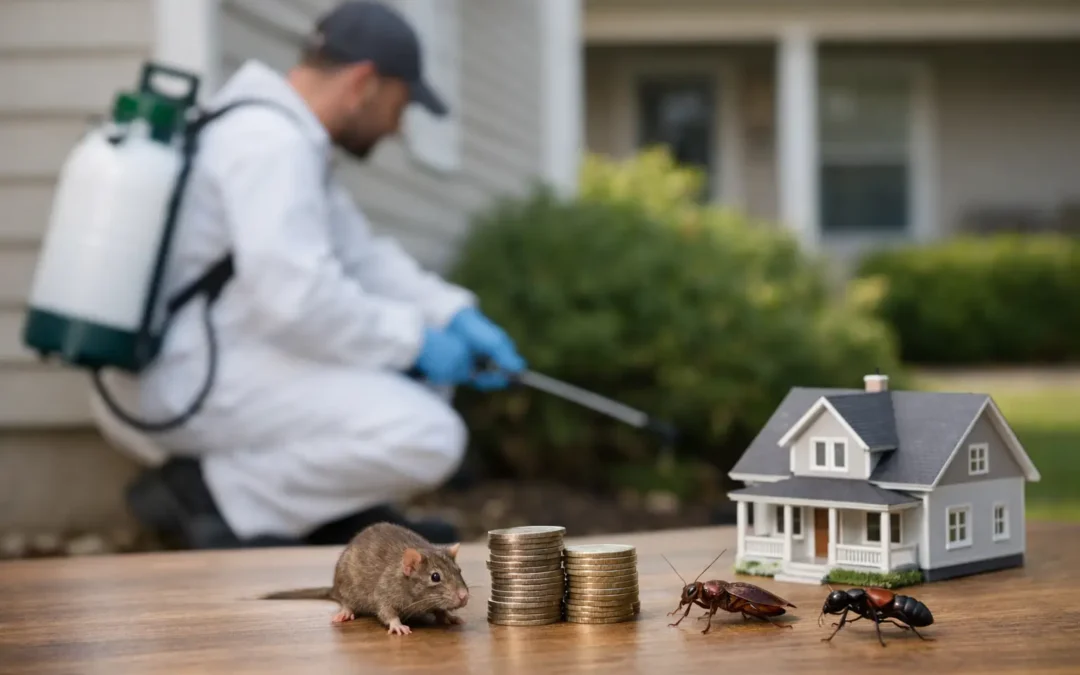
A wasp nest in the loft, scratching behind the kitchen units, or bites appearing overnight usually turns one question into the priority – how much does residential pest control cost? The honest answer is that pricing depends on the pest, the scale of the activity, the treatment needed, and whether the issue can be resolved in one visit or needs a programme of follow-up work.
For most homeowners, cost matters, but so does getting the problem dealt with properly. A low quote can look attractive until the treatment is incomplete, the infestation returns, or the underlying access points are left untouched. Professional pest control is not just about killing pests on the day. It is about identifying the source, reducing risk of recurrence, and protecting hygiene and safety in the home.
How much does residential pest control cost in practice?
Residential pest control costs usually fall into a few broad categories. A straightforward one-off treatment for a minor issue will typically cost less than a persistent infestation that needs multiple visits, specialist materials, monitoring, or proofing work.
In general terms, homeowners can expect simple treatments to start from around £80 to £150, with more involved jobs often ranging from £150 to £300 or more. Larger infestations, repeat visits, or specialist pest problems such as bed bugs can exceed that range. If proofing, trapping programmes, loft work, or urgent call-outs are required, the cost will rise accordingly.
That said, averages only go so far. Ants in a kitchen during warm weather are very different from rats entering through damaged pipework, and both differ again from a bed bug treatment that requires room preparation, repeat attendance, and careful monitoring.
What affects the cost of residential pest control?
The type of pest is usually the biggest factor. Some pests are relatively straightforward to treat. Others are resilient, spread quickly, or need more specialist handling. Wasps, for example, are often dealt with in a single visit if the nest is accessible. Rodents may require a longer process involving inspection, baiting or trapping, and recommendations for proofing. Bed bugs and fleas often need more than one treatment because of their life cycle.
The size of the infestation matters just as much. Early-stage activity is normally less costly than a well-established infestation that has spread through several rooms or hidden voids. A single wasp nest under the eaves is one thing. Multiple rat runs in a loft, wall cavity, and garden perimeter is another.
Access can also affect price. If technicians need to work at height, in roof voids, beneath floorboards, or in difficult external areas, treatment becomes more time-consuming. The same applies where heavy clutter, limited access, or health and safety considerations make the visit more complex.
Property size is another practical factor. A small flat is typically faster to inspect and treat than a large detached house with loft space, garage, sheds, and extensive outdoor areas. More area often means more inspection time, more treatment points, and sometimes more materials.
Finally, there is the question of whether the issue needs one treatment or an ongoing plan. Some problems are resolved quickly. Others need follow-up visits to confirm activity has stopped, remove bait, re-treat affected areas, or monitor for reinfestation.
Typical price ranges by pest type
Rodent treatments for mice or rats often sit in the mid-range because they rarely stop at the first sign of activity. A proper service usually includes inspection, treatment, and advice on entry points and hygiene risks. If proofing work is needed after the infestation is brought under control, that may be quoted separately.
Wasp nest treatments are often among the more predictable residential jobs. If the nest is visible and easy to access, the cost is usually straightforward. If it is high on the property, difficult to reach, or there are multiple nests, the price may increase.
Ant treatments can be relatively modest in cost when the colony is localised. If ants are entering from structural gaps, external paving, or multiple nesting points, the treatment may need a wider approach.
Flea treatments often depend on how many rooms are affected and whether the infestation is active throughout soft furnishings, carpets, and pet resting areas. Good results also depend on preparation before treatment, which can influence the number of visits needed.
Bed bug treatments are usually at the higher end of residential pest control pricing. They are labour-intensive, often require detailed preparation by the occupier, and usually need follow-up visits. Anyone comparing quotes for bed bugs should check carefully what is actually included.
Cockroach treatments, though less common in homes than in some commercial settings, can also become costly if the infestation is established behind appliances, cabinetry, or service voids.
One-off treatment or ongoing service?
For a single, isolated issue, a one-off treatment may be the most cost-effective option. This is often the case for wasps, a small ant problem, or an early-stage mouse issue caught quickly.
However, some households are better served by an ongoing programme. This can apply where there is repeated rodent pressure, nearby construction activity, older building fabric, or a history of seasonal pest issues. Ongoing services may include routine inspections, monitoring, and preventative recommendations. While this costs more over time than a one-off visit, it can save money by reducing the chance of a larger infestation developing.
This is particularly relevant for landlords, larger homes, and properties in areas where pests are a recurring issue. Paying once for emergency treatment is not always cheaper if the same problem returns every few months.
What should be included in the price?
When asking how much does residential pest control cost, it helps to look past the headline figure. A professional quotation should make clear whether it includes inspection, treatment materials, follow-up visits, and practical advice to prevent recurrence.
It is also worth checking whether the price covers the full treatment plan or just the initial attendance. Some lower-cost offers only include the first visit, with further charges added later if the issue continues. Others may exclude proofing recommendations or any physical exclusion work.
A proper service should also consider safety, especially in homes with children or pets. Treatment choice, placement, and aftercare advice matter. The cheapest option is not always the safest or most effective.
Why some treatments cost more than expected
Homeowners are sometimes surprised when the treatment itself is only part of the job. In many cases, the real challenge is not applying a product. It is finding how pests are getting in, where they are harbouring, and what conditions are allowing the activity to continue.
For example, rodents may be entering through damaged air vents, gaps around pipework, or broken drain covers. Fleas may persist because the full life cycle has not been addressed. Bed bugs may remain active because adjoining rooms or furnishings also require treatment. In these situations, the cost reflects professional inspection, technical judgement, and follow-through, not just time on site.
That is why a tailored quotation is often more useful than a generic price list. It reflects the actual problem rather than a best-case assumption.
Is DIY cheaper?
DIY products can seem cheaper at first, and for very minor issues they may help. But they often provide only partial control. Store-bought sprays and traps may reduce visible activity without dealing with the nest, harbourage, breeding cycle, or access point.
That can make the final cost higher if the infestation grows and professional treatment is needed later. DIY also carries risk if products are misused or placed incorrectly around children, pets, or food preparation areas.
Professional treatment is usually better value where pests are established, where the source is unclear, or where hygiene and safety are a concern. For many households, speed and certainty are worth paying for.
Getting an accurate quote
The best way to understand cost is to arrange a proper assessment. A reliable provider will usually ask what pest has been seen, where the activity is occurring, how long it has been happening, and whether there are signs such as droppings, nesting, bites, damage, or noise.
Photos can sometimes help, but many infestations need in-person inspection to price correctly. In areas such as Dublin, Kildare, Meath, and Wicklow, response times and travel can also play a small part in how a call-out is structured, especially for urgent issues.
A clear quote should explain what is being treated, how many visits are included, and whether any proofing or follow-up work is likely to be recommended. That gives homeowners a more realistic basis for comparing providers.
For households looking for dependable results, the right question is not simply how much does residential pest control cost, but what level of service is needed to solve the problem properly. A professional treatment that deals with the cause, protects the home, and reduces the chance of recurrence is usually the better investment.
Recent Comments