
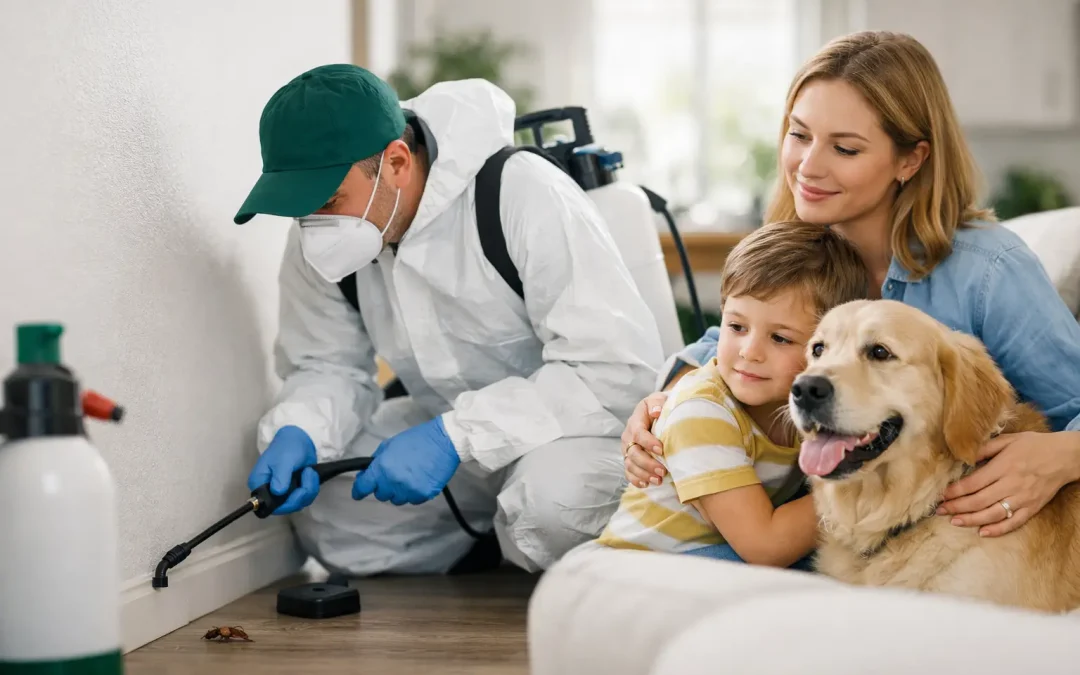
Finding mice in a kitchen, wasps in a loft or bed bugs in a bedroom usually creates two concerns at once – how to get rid of the pest, and whether the treatment itself is safe. The honest answer to are pest control treatments safe is yes, when they are chosen properly, applied by trained professionals and supported by clear aftercare. Safety is not about whether a product exists. It is about the method, the dose, the location, the pest involved and who may be exposed.
That distinction matters for both households and businesses. A family with young children or pets needs reassurance that treatment will not create unnecessary risk inside the home. A care setting, food premises or pharmaceutical site needs a controlled approach that protects staff, residents, visitors, products and compliance standards at the same time.
Are pest control treatments safe in every situation?
Not every pest problem should be treated in the same way, and that is exactly why professional assessment matters. A safe treatment for ants in an exterior wall void may be completely unsuitable for a food preparation area. Equally, a low-toxicity gel bait for cockroaches can be far safer and more targeted than a broad spray applied without a clear plan.
In other words, the question is not simply whether pest control is safe. The better question is whether the right treatment is being used in the right place, by the right person, with the right precautions.
Professional pest control companies reduce risk by identifying the species correctly, checking the level of infestation, considering who uses the property and selecting the least intrusive effective option. In many cases, treatment is only one part of the job. Proofing, hygiene advice, monitoring and habitat reduction often lower the amount of chemical input needed in the first place.
What makes a treatment safe?
Safety starts long before any product is applied. It begins with inspection. If the source of the infestation is missed, people often keep retreating the same area, which increases exposure without solving the issue.
A safe programme usually depends on five things: accurate pest identification, proper product selection, controlled application, clear instructions after treatment and follow-up where needed. When those steps are in place, professional treatment is designed to minimise human and animal exposure while still dealing with the infestation effectively.
The form of treatment also matters. Baits, dusts, gels, traps, heat treatments and proofing measures all work differently. Some remain contained within tamper-resistant stations. Some are placed into cracks, voids or harbourage areas rather than onto open surfaces. Some infestations can be handled largely through environmental changes and exclusion work rather than chemical treatment.
This is one reason professional pest control is typically safer than repeated do-it-yourself attempts. Shop-bought products are often used without a proper survey, and people tend to overapply them, mix products or treat the wrong area entirely.
Safety for children, pets and vulnerable occupants
For most homeowners, this is the real concern. If there are children crawling on floors, a dog that investigates every corner or a cat that can reach high shelves and hidden spaces, safety planning has to be practical, not theoretical.
Professional technicians account for this by choosing treatment locations carefully and by using contained or targeted methods wherever possible. Bait stations, for example, are designed to limit access. Crack and crevice applications are intended for concealed areas rather than open living surfaces. In some cases, temporary re-entry guidance may be given so treated areas can dry or settle fully before normal use resumes.
Vulnerable occupants need even greater care. This includes pregnant women, elderly residents, people with respiratory conditions and anyone with a compromised immune system. In these cases, the safest approach may involve adjusting the treatment method, scheduling the work at a suitable time or using non-chemical controls where practical.
That is why a proper pre-treatment conversation matters. A technician should know who uses the building, whether there are pets, whether anyone has health concerns and which rooms are sensitive areas.
Commercial sites need more than a generic answer
For commercial operators, asking are pest control treatments safe usually means something broader than personal exposure alone. It also means safe for operations, safe for audits, safe for stock integrity and safe for brand reputation.
A warehouse, care home, catering site or pharma environment cannot rely on a one-size-fits-all treatment. The pest issue has to be addressed without creating contamination risks, avoidable downtime or gaps in reporting. In regulated settings, the safe option is usually the one that is most controlled, most documented and easiest to justify during inspection.
That is where professional pest management differs sharply from basic extermination. Site surveys, trend analysis, monitoring points, product records and bio-reports all support a treatment plan that is not only effective, but defensible. In higher-governance sectors, that level of control is part of safety.
Common treatments and how risk is managed
Different pests call for different methods, and the safety profile depends on that method.
Rodent control often involves tamper-resistant bait stations, proofing work and monitoring. Inside sensitive commercial settings, non-toxic monitoring or trapping may be prioritised in specific zones. Bed bug work may involve targeted insecticide application, heat-based methods and detailed room preparation. Wasp treatment is usually highly localised to the nest site, but timing and access control are important because disturbing an active nest carries its own risk. Cockroach and ant treatments often use gels and harbourage-focused applications rather than widespread spraying.
The important point is that modern professional pest control is generally far more targeted than many people expect. The goal is not to flood a property with chemicals. The goal is to solve the infestation with the most effective and controlled method available.
Are pest control treatments safe compared with leaving pests untreated?
This is the part many people overlook. Untreated pest problems carry their own health and safety risks.
Rodents can contaminate food storage areas and spread bacteria through urine and droppings. Cockroaches are strongly associated with hygiene concerns and can aggravate asthma. Bed bugs can affect sleep, wellbeing and occupancy. Birds nesting on commercial premises can create slip hazards, fouling and ventilation issues. Flies around waste or food areas can quickly become a hygiene and reputational problem.
So while treatment should always be handled carefully, doing nothing is not the safer option. The real objective is controlled risk reduction. A measured professional response usually presents less risk than a growing infestation, repeated failed DIY attempts or indiscriminate use of retail chemicals.
How to choose a safe pest control provider
If safety is a priority, the provider matters as much as the product. Look for a company that asks questions before quoting a treatment, explains what will be used and provides aftercare instructions in plain language. For commercial premises, documented reporting, site-specific recommendations and compliance awareness are essential.
A dependable provider should be able to explain why a given treatment is suitable, where it will be applied, what precautions are needed and whether follow-up visits are required. If the answer is vague, rushed or based on a blanket promise that everything is harmless, that is not reassuring. Good pest control is careful, not casual.
In homes and businesses across Dublin and the surrounding counties, that practical approach is often what separates a short-term fix from a genuinely safe and effective solution.
What should you do before and after treatment?
Before treatment, follow the preparation advice exactly. That may include clearing cupboards, covering food preparation items, vacuuming affected rooms or keeping pets out of a specific area. These steps are not just for convenience. They help the treatment work properly and reduce unnecessary contact.
After treatment, stick to the re-entry and cleaning guidance provided. One common mistake is cleaning too soon and removing the treatment before it has done its job. Another is ignoring proofing and hygiene advice, which can allow the infestation to return and lead to repeat treatments.
If you are unsure about anything, ask. A professional service should make safety instructions straightforward and specific to your property.
The safest pest control treatment is rarely the most dramatic one. It is the one that is properly assessed, correctly applied and backed by sensible advice for the people who live or work on the premises. When a pest issue needs dealing with, clarity and competence go a long way towards making that decision easier.
Recent Comments