
A mouse seen beside a kitchen skirting board, a wasp nest discovered above an entrance, or flies appearing around a waste area all demand attention. But the response should not always be the same. Pest monitoring versus reactive treatment is not simply a choice between two services. It is a decision about protecting hygiene, property, people and, for many businesses, day-to-day compliance.
Reactive treatment is essential when there is an active infestation or an immediate risk. Monitoring is the planned work that identifies warning signs early and helps prevent a small issue becoming a disruptive one. The right approach depends on the pest, the environment, the level of activity and the consequences if the problem worsens.
What Is Reactive Pest Treatment?
Reactive pest treatment begins after evidence of a pest problem has been found. That could be live rodents, droppings, gnaw marks, nesting material, insect sightings, bites, damaged stock or a confirmed nest. For homeowners, the need is often clear: the pest is already affecting comfort, hygiene or confidence in the home.
A professional visit starts with an inspection to identify the species involved, likely access points, harbourage areas and the extent of activity. Treatment may include targeted control measures, removal where appropriate, practical advice on sanitation and storage, and recommendations for pest proofing. Follow-up visits are often needed, particularly for rodents, bed bugs, cockroaches and flea activity, where one visit may not resolve every life stage or source of infestation.
Reactive work is not a failure. A wasp nest can develop rapidly during spring and summer, for example, while a rodent may enter a property through a newly damaged vent or gap during colder weather. Prompt, professional action limits the opportunity for pests to spread, contaminate areas or cause further damage.
What Does Pest Monitoring Involve?
Pest monitoring is a scheduled programme of in-person inspections designed to find early evidence of pest activity and conditions that attract pests. It is particularly valuable in properties where hygiene, food safety, resident welfare, stock protection or audit requirements are central to operations.
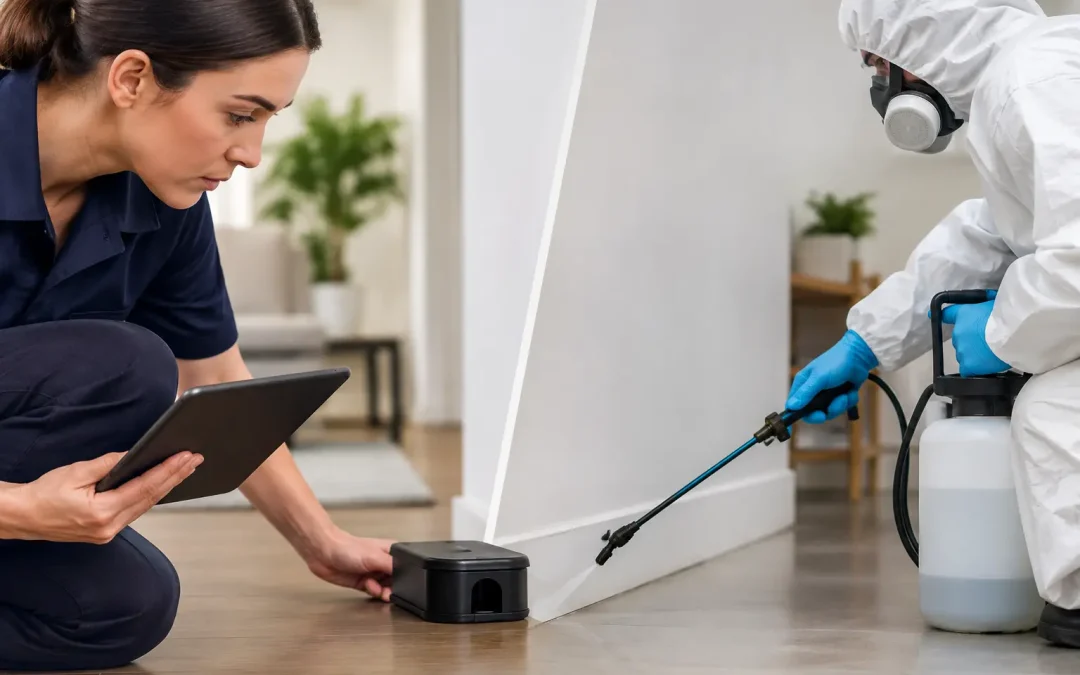
During visits, a technician assesses established monitoring points and relevant risk areas, such as external perimeters, loading areas, plant rooms, kitchens, bin stores, roof spaces and storage locations. They check for signs of activity, review housekeeping and waste practices, identify potential entry routes and record actions taken. The purpose is not merely to look for pests, but to understand why they may be present.
For commercial sites, documented inspection records and clear recommendations provide a practical audit trail. In regulated settings such as pharma, care homes, catering, logistics and waste facilities, this supports a more controlled approach to pest risk. A detailed report can show what was found, what action was taken and what further corrective work is required.
Pest Monitoring Versus Reactive Treatment: The Key Difference
The central difference is timing. Reactive treatment responds to a confirmed issue. Monitoring looks for evidence before that issue becomes established or before a low-level problem becomes visible to staff, residents, customers or inspectors.
Reactive treatment is generally focused on elimination and immediate containment. Monitoring is focused on prevention, early intervention and ongoing risk reduction. Both can include inspection, treatment and proofing advice, but their objectives are different.
A homeowner who hears scratching in the loft at night needs a reactive inspection and treatment plan. A food premises with regular deliveries, waste handling and vulnerable stock benefits from routine monitoring, even when no pest has been seen. In the first case, speed is the priority. In the second, consistency and documented control are equally important.
When Reactive Treatment Is the Right Choice
Reactive treatment is appropriate where there is clear, current pest activity or an urgent concern. This may include a rat or mouse inside a home or workplace, a bed bug concern in a bedroom, cockroach sightings in a kitchen, a flea outbreak after pets or previous occupants, or an accessible wasp nest near a busy entrance.
It is also the sensible option when a property has not had previous pest issues but an isolated problem suddenly occurs. A one-off call-out can establish the cause, deal with active pests and identify simple prevention measures, such as sealing a gap around pipework, improving food storage or addressing overflowing refuse.
The trade-off is that reactive treatment takes place after risk has already developed. By the time pests are noticed, they may have caused contamination, damaged cables or insulation, affected customer confidence, or created a difficult situation for occupants. With pests that breed quickly or remain hidden, the visible sign can be only part of the problem.
Why Ongoing Monitoring Matters for Businesses
For commercial premises, pest activity is rarely confined to the exact point where it is first seen. Rodents travel along building edges and service routes. Flies may be linked to waste management, drains or incoming goods. Stored product insects can affect stock areas before they are noticed. A planned monitoring programme creates regular opportunities to identify these pressures early.
It also helps assign responsibility. A technician may recommend repairs to door seals, changes to waste storage, improved cleaning beneath equipment or better stock rotation. These measures require action from the site team as well as pest control support. Regular reviews ensure recommendations do not get lost after a busy period or staff change.
For sites operating under strict hygiene and governance expectations, monitoring provides reassurance beyond pest removal. It demonstrates that the business is actively managing foreseeable risks. Pest Pure Solutions can provide tailored service programmes and in-depth reporting to support businesses that need clear evidence of inspections, treatment activity and corrective actions.
Monitoring Is Not a Substitute for Treatment
A monitoring programme should never delay action when an infestation is present. If signs show active rodents in a food preparation area, bed bugs in occupied accommodation or cockroaches in a sensitive environment, treatment must be put in place without delay. Monitoring then helps assess whether the treatment is working and whether wider proofing or hygiene measures are needed.
Likewise, treatment without prevention can become repetitive. Removing rodents while leaving damaged air bricks, open service gaps or accessible food sources unaddressed may lead to repeated activity. Treating flies without reviewing waste handling and cleaning routines may provide only short-term relief. The strongest programmes combine decisive treatment with practical prevention.
Seasonal Risks Change the Balance
Seasonality affects where monitoring delivers the greatest value. During autumn and winter, rodents seek warmth, shelter and reliable food sources indoors. Property inspections before colder weather can identify weak points around doors, vents, drains and utility entries.
In spring and summer, ants, wasps and flying insects become more visible. Early checks around outdoor eating areas, bins, rooflines and building entrances can reduce the risk of a problem affecting staff, residents or visitors. Wasp nests should be assessed professionally, particularly where there is frequent footfall or a risk of stings.
Bed bugs and silverfish remain year-round concerns. Bed bugs can be introduced through travel, visitors, furniture or shared accommodation, while silverfish favour damp, undisturbed areas. In both cases, early reporting and inspection are preferable to waiting until the issue has spread.
Choosing the Right Service Plan
The right option is based on risk rather than property size alone. A private household with a sudden mouse problem may only need a reactive service followed by proofing advice. A landlord managing several properties may benefit from planned inspections where previous activity, vacant periods or recurring access issues create a pattern.
For businesses, consider the nature of the operation, vulnerable people on site, food or pharmaceutical handling, waste volumes, delivery frequency and the cost of disruption. A low-risk office may need a different level of service from a care home, catering kitchen, warehouse or recycling facility.
A professional assessment should explain what has been found, what needs urgent treatment, what can be prevented through proofing or hygiene improvements, and how often future inspections are justified. That keeps the service proportionate, practical and focused on genuine risk.
The most useful pest control plan is the one that acts quickly when a pest appears and makes the next incident less likely. If you are seeing signs of activity or need a more controlled approach for a home or business, an inspection is the right place to start.
Recent Comments