
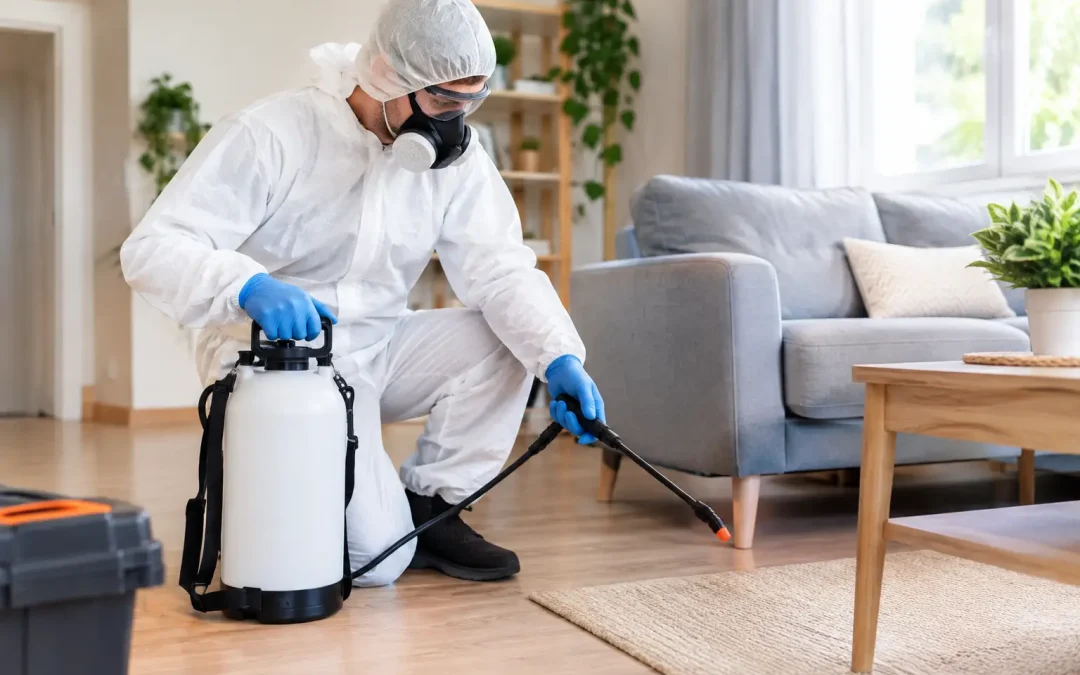
A pest treatment is most effective when the technician can inspect, treat and monitor the right areas without avoidable obstacles. Preparing properly also protects your family, pets, food and belongings while helping the treatment reach the places where pests are active.
If you are researching how to prepare for fumigation, start with the instructions provided for your specific appointment. The word “fumigation” is often used to describe any professional pest treatment, but the preparation needed can vary greatly between a rodent treatment, a silverfish treatment and a full insecticide application. Your pest control technician’s written advice always takes priority, as it will reflect the pest, product, property layout and level of activity found.
Confirm what treatment is being carried out
Before moving furniture or emptying cupboards, make sure you know what has been booked. A treatment for rats or mice may involve a detailed inspection, proofing recommendations and carefully positioned tamper-resistant bait stations. In that case, clearing access to kitchens, utility rooms, roof spaces, garages and external areas may be more useful than stripping the entire home.
For silverfish, treatment commonly focuses on damp-prone, undisturbed areas such as bathrooms, kitchens, hot press cupboards, skirting boards and voids around pipework. Access is again essential, but preparation may include removing toiletries, towels and loose items from treatment zones.
If insecticide is being applied more widely, your technician may ask you to leave the property for a stated period. Do not assume the same instructions apply to every visit. Ask what rooms will be treated, how long access will be restricted, and what cleaning should be avoided afterwards.
Commercial premises should also confirm whether treatment affects any controlled areas, food handling zones, patient or resident spaces, production lines, loading bays or staff facilities. A clear treatment scope allows managers to protect operations while meeting hygiene and compliance responsibilities.
How to prepare for fumigation before the technician arrives
The main aim is to make pest activity and potential harbourage accessible. Pests thrive where they can remain undisturbed, so a technician needs a clear view of the likely routes, nesting areas and food sources.
Start by reducing clutter in the rooms identified for treatment. Move boxes, bags, stored clothing and loose household items away from walls where possible. This does not mean throwing everything away. It means making skirting boards, corners, pipe entry points and the space beneath sinks visible. If you have seen droppings, gnaw marks, insects or damage in a particular location, leave that area accessible and point it out on arrival.
Vacuum floors and remove loose debris where instructed, particularly around kitchen units, appliances and bathroom edges. For rodent problems, do not sweep or vacuum large amounts of fresh droppings without first checking the safest approach with your pest professional. Disturbing contaminated material can create an unnecessary hygiene risk. Keep children and pets away from suspected rodent activity, and avoid handling dead rodents or bait yourself.
In kitchens and food storage areas, place food, crockery, pans and utensils in sealed cupboards, containers or bags if the treatment instructions require it. Pet food should be removed from the treatment area. Wipe worktops before the visit so that the technician can assess signs of activity clearly, then follow the aftercare advice before preparing food on surfaces again.
For bathrooms or silverfish treatment areas, remove toothbrushes, cosmetics, towels, bathmats and washable items from open shelves and floors. If access is needed behind a washing machine, under a bath panel or around a hot press, do not attempt heavy lifting alone. Tell the technician what cannot safely be moved so a practical approach can be agreed.
Give access to the places pests use
A locked garage, crowded utility room or inaccessible roof space can delay diagnosis and limit the value of the visit. Ensure the person meeting the technician has access to relevant rooms, sheds, meter cupboards and external gates. Let the pest control company know in advance about alarms, restricted parking, concierge arrangements, site inductions or security procedures.
For businesses, nominate a responsible contact who understands the site and can provide access to affected areas. In regulated environments such as catering, care settings, logistics and pharmaceutical operations, this person may also need to coordinate cleaning, production timing and documentation. Good preparation reduces disruption and supports a clear audit trail.
Protect children, pets and vulnerable occupants
Children and pets are naturally curious, which makes preparation and aftercare particularly important. Keep them away from treatment areas before, during and after the visit for the period specified by the technician. This includes pet bedding, cages, bowls, toys and feeding stations.
Fish tanks require particular care because aquatic life can be sensitive to airborne products. Never rely on a general rule from the internet. Tell the technician about aquariums, terrariums, birds and any unusual pets when arranging the appointment, then follow the specific instructions you receive. This may involve covering, moving or temporarily relocating animals, depending on the treatment.
If anyone in the property is pregnant, has a respiratory condition, has heightened chemical sensitivities or is medically vulnerable, mention this before treatment. Professional pest control can be planned around the circumstances, but the company needs accurate information to give appropriate advice. The same applies to care homes, clinics and workplaces where residents, patients or staff may require additional safeguards.
Do not clean away the treatment too soon
Many people understandably want to clean immediately after a pest visit. However, cleaning the wrong areas too soon can reduce the effectiveness of an insect treatment. Your technician will explain which surfaces can be wiped, which areas should be left undisturbed and when normal cleaning can resume.
With rodent control, do not move bait stations, touch bait or block access points that are being assessed unless you have been instructed to do so. Rodent activity can change after a first visit, and signs such as fresh droppings, new gnawing or disturbed bait help guide the next stage of control. Continue storing food securely, managing waste carefully and keeping floors free of crumbs.
For silverfish, address the conditions that support activity alongside treatment. Improve ventilation where practical, repair leaks, dry persistent condensation and avoid storing paper, cardboard or textiles directly against damp walls. Treatment controls the current issue, but moisture management helps reduce the chance of recurrence.
Prepare for follow-up, not just the first visit
A pest problem is rarely solved by a single action in isolation. Rodent control, in particular, often requires follow-up visits to assess activity, replenish or remove control measures, and identify entry points. Small gaps around pipework, damaged air bricks, loose door sweeps and poorly sealed utility penetrations can all provide access.
Keep a brief record of what you notice between visits. The location and date of droppings, noises, sightings or insect activity can be more useful than a general statement that the problem is “getting worse”. For a business, record observations through the site’s agreed reporting process and make sure relevant staff know not to interfere with treatment points.
It is also worth considering the trade-off between a quick tidy and a long-term fix. Clearing access and improving housekeeping are valuable, but pest proofing, waste control and moisture repairs may be needed to prevent repeat activity. A professional inspection should identify which measures matter most for your property rather than recommending unnecessary work.
A calm, prepared property supports better results
There is no need to panic or carry out a complete clear-out before pest control arrives. Focus on safe access, protecting food and pets, and following the instructions for your particular treatment. For homes and businesses across Dublin, Kildare, Wicklow and Meath, a well-prepared visit gives the technician the best chance to deal with the immediate issue and help prevent the next one.
Recent Comments