
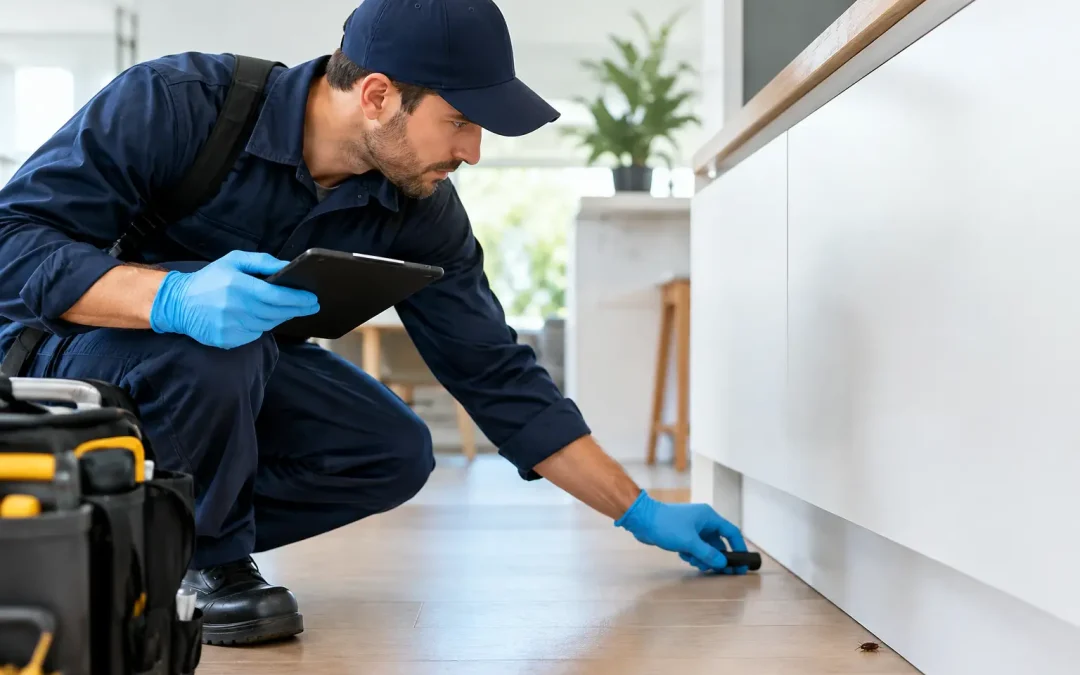
A pest audit is not a quick look around for droppings or insects. It is a structured inspection of the conditions that allow pests to enter, feed, harbour and breed. This pest audit example shows what a useful report should identify, how risks are assessed, and what corrective actions help protect a home or business from repeat activity.
For a homeowner, an audit can establish why mice keep returning to a kitchen or why ants appear each spring. For a commercial site, it provides evidence that pest risks are being managed in a controlled, traceable way. That distinction matters in settings such as catering, care homes, logistics, waste handling and pharmaceutical operations, where a pest issue can affect hygiene standards, stock, inspections and reputation.
What a pest audit should cover
A professional pest audit considers more than the pest seen on the day. The inspection examines the whole pest pressure picture: the building fabric, nearby surroundings, food and waste arrangements, cleaning practices, moisture, staff activity and any previous control measures.
The first stage is confirming the pest or signs of activity. This may include rodent droppings, rub marks, gnawing, nesting material, insect skins, wasp flight paths, fly activity, bird fouling or damaged stock. The location, age and extent of the evidence are recorded, rather than assuming every sign represents an active infestation.
The inspector then identifies likely entry points and harbourage. Gaps around service pipes, damaged door brushes, unsealed vents, broken air bricks, cluttered store rooms and voids behind equipment are common examples. Outside, overgrown vegetation against walls, overflowing bins, standing water and poorly maintained loading areas can increase pest pressure before pests ever reach the premises.
Finally, the audit should set out clear actions, ownership and priority. A report that simply says “monitor” is rarely enough. The person responsible needs to know what must be done, who will do it, and how quickly it should happen.
Pest audit example: food storage and staff kitchen
The following fictional example is based on issues frequently found in commercial premises. It demonstrates the detail that a manager should expect from an audit.
Site: Small distribution unit with packaged food storage, staff kitchen, loading bay and external waste area.
Reason for audit: Staff reported mouse droppings beneath kitchen cupboards. The site also wanted an independent review of pest risks before a customer hygiene inspection.
Inspection findings
The audit found fresh and older mouse droppings behind the refrigerator and beneath a dry goods cupboard in the staff kitchen. A small amount of food debris was present behind the appliance, and an open bag of cereal had been left in a lower cupboard. There was no evidence of mouse activity within the packaged stock area at the time of inspection.
At the rear of the kitchen, a gap of approximately 15 mm was identified around a waste pipe where it passed through the external wall. The hole led into a service void and was large enough to allow mouse entry. A damaged brush strip on the back door created a second potential entry route.
In the loading bay, several pallets were stored directly against the wall. This reduced visibility during routine checks and created sheltered space where rodents could travel or harbour. The external waste bin had a lid but was not fully closed, with loose waste visible around the base. Vegetation was also touching the rear wall close to the waste area.
No signs of cockroach or stored-product insect activity were found. However, the kitchen floor-edge sealant had separated in places, creating small gaps that could retain food debris and make effective cleaning more difficult.
Risk assessment
The overall rodent risk was assessed as high because fresh activity had been found in a food preparation and staff welfare area, and there were clear entry points and food opportunities. Although stock contamination was not identified, mice can contaminate surfaces and food through droppings, urine and contact.
The loading bay and waste area were assessed as medium to high risk. They did not show confirmed rodent activity during the inspection, but poor waste containment, vegetation and pallet positioning made the area attractive and difficult to inspect thoroughly.
The risk from crawling insects was assessed as medium. There was no current infestation, but cleaning and maintenance issues in the kitchen could support future activity if not addressed. This is an example of why an audit should identify prevention work as well as immediate treatment needs.
Corrective actions and timescales
The most urgent action was to close the gap around the waste pipe with suitable proofing materials and repair the door brush strip. These works were assigned a 24 to 48-hour timescale because they addressed active access routes. Proofing is not an optional extra after treatment. Without it, control work may reduce the current population while allowing new rodents to enter.
The kitchen required a detailed clean behind and beneath fixed appliances, removal of open food from cupboards, and use of sealed food containers. Floor-edge sealant repairs were recommended within seven days to improve cleaning access and remove debris traps.
At the loading bay, pallets were to be moved away from the building perimeter, with a clear inspection gap maintained along the wall. The waste contractor or site team was assigned responsibility for ensuring bin lids remained closed and loose waste was removed. Vegetation was to be cut back from the building to reduce cover and make external areas easier to inspect.
A targeted rodent treatment programme and follow-up inspection were also recommended. The exact treatment method, placement and frequency should be determined from the inspection findings and the site’s risks, particularly where food, children, vulnerable people, pets or sensitive operations are present.
Evidence for the site record
A strong commercial audit record would include dated observations, locations of activity, photographs where appropriate, a site plan, corrective action log, treatment records and follow-up findings. It should also show whether agreed actions were completed and whether activity reduced after proofing, cleaning and treatment.
For businesses operating under strict hygiene or quality systems, this evidence is often as valuable as the treatment itself. It helps demonstrate that pest control is being managed proactively, with identified risks reviewed and closed out. Pest Pure Solutions can provide detailed bio-reports and support from a Certified Field Biologist where higher-governance sites require a more technical level of documentation.
How a home pest audit differs
A domestic pest audit follows the same principles but is usually more focused on the specific problem affecting the property. If mice are heard in a loft, the inspection may examine roofline gaps, damaged vents, pipe penetrations, bird nesting material and food storage. For ants, attention often turns to damp areas, gaps around doors and windows, external nesting points and food residues indoors.
The priority for homeowners is practical, safe resolution with minimal disruption. A good report should explain what has been found in plain language, whether activity appears current, and whether treatment, proofing, sanitation or a combination is needed. It should not create alarm where evidence is limited, but it should be clear when a problem needs prompt attention.
Season also affects the audit. Wasp and ant enquiries rise through spring and summer, while rodent pressure often increases in autumn and winter as mice and rats seek warmth, shelter and food indoors. Bed bugs and silverfish can arise at any time of year, so their inspections rely more on evidence around sleeping areas, furniture, bathrooms, storage and moisture conditions than on season alone.
Questions to ask after receiving an audit
Before approving work, ask whether the report distinguishes between active evidence and possible risk. Ask which recommendations are essential for control, which are preventative improvements, and what may happen if proofing or cleaning work is delayed. Commercial managers should also ask how findings, actions and follow-up results will be documented for their internal records.
There is no single correct audit frequency. A well-maintained home may need an inspection only when a concern appears, while premises with food, vulnerable residents, regular deliveries, waste handling or complex buildings often benefit from scheduled preventive visits. The right programme depends on the pest history, building use and the consequences of an incident.
The value of a pest audit lies in turning vague concern into accountable action. Whether the issue is a few mouse droppings in a kitchen or a site-wide compliance risk, the next useful step is a thorough inspection that identifies the cause, not just the pest.
Recent Comments