
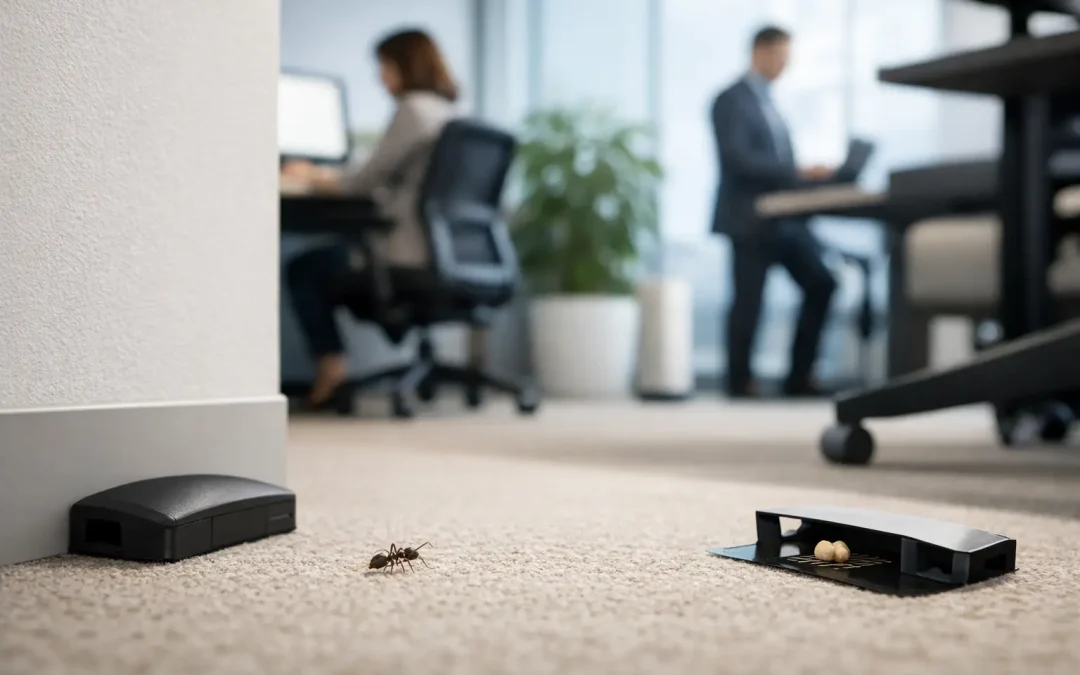
A pest sighting in an office rarely stays small for long. One mouse in a kitchen, flies around a bin area, or signs of stored product pests in a staff room can quickly become a hygiene issue, a staff concern and, in some sectors, a compliance problem. That is why discreet pest control for offices matters so much. The aim is not simply to remove pests. It is to resolve the issue without disruption, protect your reputation and reduce the chance of it happening again.
For office managers, facilities teams and business owners, the challenge is often twofold. You need the problem dealt with properly, but you also need it handled in a way that does not alarm staff, interrupt client meetings or draw unnecessary attention. In practice, that means choosing a provider that understands commercial environments, works methodically and keeps the service professional from first inspection to final report.
What discreet pest control for offices really means
Discretion is not just about an unmarked van or arriving outside peak hours, although those details can help. In an office setting, true discretion means controlling the pest issue with minimal operational impact. It means clear communication with the right people, not a dramatic response in front of your whole team. It means targeted treatment, careful placement of monitoring points and practical advice that supports hygiene without turning the workplace upside down.
It also means understanding that offices are varied environments. A small serviced office has different risks from a multi-floor corporate building, a medical administration site or a logistics headquarters with staff canteens and loading bays. A professional service should assess entry points, food handling areas, waste storage, washrooms, suspended ceilings and external grounds before deciding what is necessary.
The best approach is usually the least visible one that still solves the problem fully. That may involve monitoring and proofing rather than heavy treatment, or a series of controlled visits instead of a one-off response. It depends on the pest, the scale of activity and the type of office.
Why offices are vulnerable to pests
Many offices appear clean and low risk on the surface, but pests do not need much to settle in. Staff kitchens provide food and water. Comms rooms, ceiling voids and storage cupboards offer shelter. Deliveries can introduce insects. Open doors at smoking areas or bin compounds create access points for rodents and flying pests.
Modern workplaces can also create hidden vulnerabilities. Flexible seating means people snack at desks. Shared kitchens are used by dozens or hundreds of staff each day. Cleaning standards may be good overall but inconsistent in overlooked corners, under appliances or behind fitted units. Even well-run offices can develop pest issues if waste handling, proofing or monitoring are not being reviewed regularly.
Seasonality matters too. Wasps and flies tend to become more noticeable in warmer months, while rodents often seek shelter indoors during colder periods. In city offices and mixed-use buildings, pest pressure can also come from neighbouring units, rear alleys, restaurants or construction works nearby.
The pests most commonly seen in offices
Rodents are among the most serious office pest concerns because they can contaminate surfaces, damage wiring and create immediate concern among staff. Mice are particularly common in offices because they can access buildings through very small gaps and thrive on crumbs, stored snacks and insecure waste.
Cockroaches present a different level of risk. They are strongly associated with hygiene failures, even when the root cause is structural or linked to another unit in the building. Their presence needs a fast and controlled response, especially in buildings with food preparation areas or vulnerable occupants.
Ants, flies and stored product insects are also common. These infestations may begin in kitchen cupboards, vending areas or food lockers and then spread gradually. Birds can become a problem around office roofs, ledges and entranceways, particularly where droppings affect cleanliness or create slip hazards.
Not every pest issue is equally visible, and that is one reason routine inspections are valuable. By the time staff are noticing activity in open areas, the pest may already be well established elsewhere.
How a discreet office pest control service should operate
A professional service begins with a proper survey. That should identify the pest involved, the extent of activity, likely harbourage areas and the conditions allowing the problem to persist. Guesswork wastes time and often makes office pest issues harder to contain.
After inspection, the treatment plan should match the setting. In a busy office, that often means scheduling visits outside core hours, avoiding unnecessary attention in reception or communal areas and using control methods suited to occupied buildings. Communication should be direct and limited to the relevant contact points, whether that is a facilities manager, office manager or compliance lead.
Reporting matters as well. Commercial customers should expect written findings, actions taken and recommendations for proofing or hygiene improvements. In regulated sectors, that documentation can be just as important as the treatment itself. It supports due diligence and shows that pest risks are being managed responsibly.
A discreet service is also careful about follow-up. Closing a case too early can lead to repeat activity and a second round of disruption. Ongoing monitoring, trend review and preventive advice are often what separate a temporary fix from a reliable solution.
Discreet pest control for offices and business reputation
An office pest problem is not only a practical issue. It can affect staff confidence, visitor perception and internal trust in workplace standards. If clients or auditors are on site, even a minor incident can raise questions that reach beyond the immediate pest sighting.
That does not mean every pest issue becomes a crisis. It does mean the response needs to be calm, competent and documented. Staff are far less likely to feel unsettled when they can see that the issue is being handled professionally. The same applies to senior management. Quiet control, sensible advice and visible competence go a long way.
There is also a reputational trade-off to consider. Some businesses delay treatment because they worry about drawing attention to the problem. In reality, delay often increases visibility. A prompt and discreet response is usually the more protective option.
Prevention is what keeps office pest control discreet
Prevention is rarely dramatic, but it is what keeps pest management low profile. If access points are sealed, waste is managed correctly and food areas are maintained properly, pest activity is less likely to become visible to staff or visitors in the first place.
For offices, practical prevention often includes proofing around pipe entries, doors and service voids, improving bin storage, reviewing cleaning routines in kitchens and break areas, and checking that food is not being left overnight in lockers or desk pedestals. External factors matter too. Overflowing bins, vegetation against walls and poorly managed loading areas can all increase pest pressure.
Monitoring devices may also be part of the plan, especially in larger buildings or sites with repeated risk factors. When positioned correctly and reviewed routinely, they allow pest activity to be identified early without causing disruption. That is particularly valuable in offices where discretion and continuity are priorities.
When offices need more than a one-off visit
Some office pest issues can be resolved with a single targeted treatment. Others need a broader programme. Multi-occupancy buildings, older premises, high staff turnover, frequent deliveries and mixed commercial use can all create recurring risk.
This is where a bespoke contract often makes more sense than repeated reactive call-outs. Regular inspections, documented findings and preventive works help reduce the chance of an incident becoming public or operationally disruptive. For offices in regulated sectors such as pharma, care settings administration or food-related headquarters, this approach is often the right one from both a hygiene and compliance perspective.
In Dublin and surrounding counties, where many offices operate in busy shared developments, external pest pressure can be difficult to control without a structured plan. A service that combines treatment, proofing, hygiene advice and reporting is generally better suited to these environments than a basic spray-and-go model.
Choosing the right provider
Office pest control should never be treated as a generic commodity service. The right provider needs to understand commercial risk, not just pest biology. That includes how to work around staff, protect sensitive areas, maintain records and advise on prevention in a practical way.
Ask how inspections are carried out, what reporting is provided and how visits are managed discreetly. If your business has compliance requirements, ask whether the provider can support them with the right level of documentation and technical oversight. If the issue is urgent, response time matters too, but speed should not come at the expense of a proper assessment.
Pest Pure Solutions works with commercial clients that need this balance of discretion, technical competence and dependable follow-through. For offices, that means controlling the immediate problem while helping reduce future risk in a way that fits how the business actually operates.
A well-managed office should feel clean, calm and in control. Pest control should support that standard quietly in the background, so your team can get on with their work and your visitors never have a reason to notice anything at all.
Recent Comments