
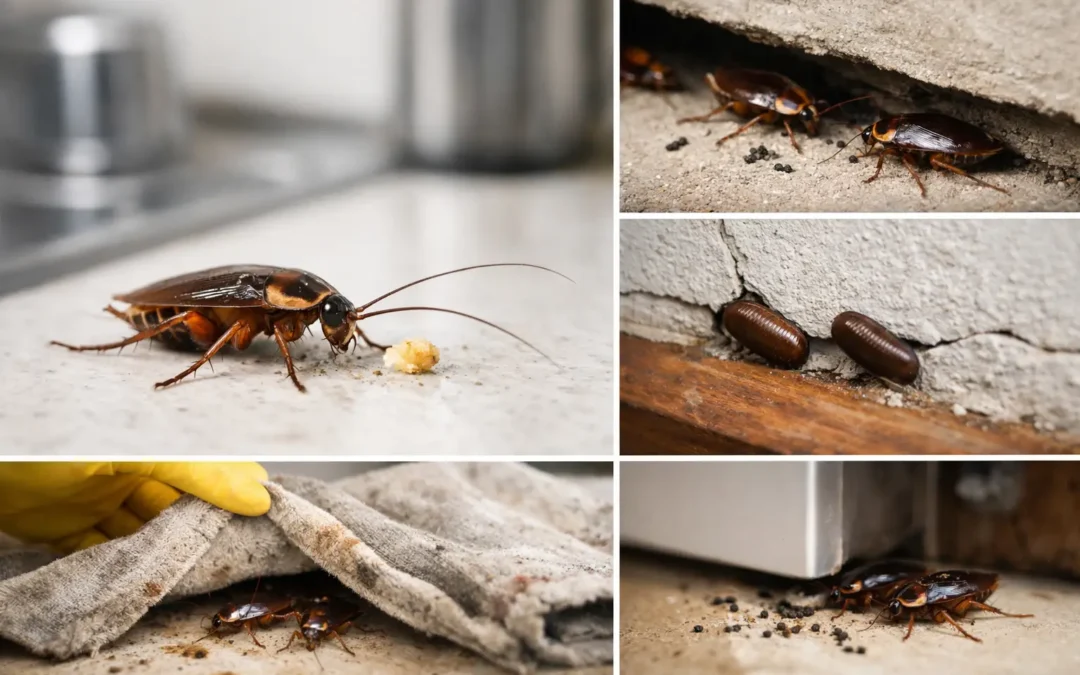
A cockroach problem rarely starts with a dramatic sighting in the middle of the floor. More often, it begins with small changes around a property – marks in cupboards, an unusual smell, or activity after dark that seems easy to dismiss. Knowing the right cockroach infestation warning signs early can make the difference between a contained treatment and a far more disruptive problem.
For homeowners, that means protecting food storage areas, family living spaces and peace of mind. For commercial sites, it can mean avoiding hygiene failures, stock contamination, reputational damage and unnecessary compliance risk. Cockroaches are resilient pests, and they do not tend to disappear without professional action.
Why early cockroach infestation warning signs matter
Cockroaches are drawn to warmth, moisture, food residues and harbourage points. That is why they are often found in kitchens, utility rooms, boiler cupboards, staff canteens, food handling areas, bin stores and washrooms. In commercial settings, they may also establish themselves behind equipment, inside service voids and in areas with regular deliveries or waste movement.
The challenge is that cockroaches are highly secretive. In the early stages, you may not see large numbers. Instead, you are more likely to notice indirect signs. By the time frequent daytime sightings occur, the infestation is often more established.
1. Droppings that resemble pepper or coffee grounds
One of the clearest warning signs is the presence of cockroach droppings. These can look like black pepper, fine coffee grounds or dark smears, depending on the species and the surface. In smaller infestations, the droppings may appear in corners of cupboards, along shelf edges, under sinks or behind appliances.
On commercial premises, they are often found near food storage, beneath counters, around pipe entries and in plant areas. Because the droppings are small, they are sometimes mistaken for dirt or poor cleaning. The difference is repetition. If the same tiny dark specks return soon after cleaning, that points to pest activity rather than a housekeeping issue.
2. A musty, unpleasant odour
Established cockroach infestations often produce a strong, stale smell. It is commonly described as musty, oily or sour. In enclosed areas such as kitchen cupboards, service risers or stock rooms, that odour can become noticeable before insects are seen.
This sign is particularly important in commercial environments where hygiene standards are closely monitored. If a room or storage area has an unexplained taint that cleaning does not resolve, pest activity should be considered. Odour alone does not confirm cockroaches, but combined with other signs it is a significant indicator.
3. Egg cases or shed skins
Cockroaches leave behind evidence as they breed and grow. Egg cases, known as oothecae, are small brown capsule-like casings that may be found tucked into cracks, beneath sinks, behind units or near warm machinery. You may also see shed skins from immature cockroaches as they moult.
These signs suggest that the insects are not just passing through but actively living and breeding on site. That distinction matters. A single cockroach brought in through stock, packaging or drains is one issue. A breeding population is a more serious problem that usually requires a structured treatment plan and follow-up visits.
4. Smear marks on walls or surfaces
In areas with high moisture, cockroaches can leave irregular brown smear marks as they travel. These are often seen along wall-floor junctions, around skirting boards, near plumbing routes and on surfaces close to harbourage areas.
The marks may be subtle at first. In domestic kitchens they are easy to overlook, while in busy commercial settings they may be hidden behind equipment or fixtures. When smear marks appear alongside droppings or odour, the case for a cockroach inspection becomes much stronger.
5. Live cockroaches, especially at night
Seeing a live cockroach is an obvious warning sign, but timing matters. Cockroaches are mainly nocturnal. If one runs out when a kitchen light is switched on at night, there is a reasonable chance others are hidden nearby.
Daytime sightings are often more concerning. They can indicate that the harbourage area is overcrowded or that the infestation is well advanced enough to push activity into more exposed periods. For homeowners, one visible insect may already justify professional advice. For food businesses, care settings, logistics facilities and similar environments, even a single confirmed sighting should be treated seriously and documented properly.
6. Activity around appliances and warm equipment
Cockroaches favour heat and shelter, so they often gather around fridges, dishwashers, ovens, vending machines, server rooms, laundry equipment and hot pipework. In flats and commercial kitchens especially, the warm voids behind or beneath appliances create ideal harbourage.
This is why infestations can persist even in premises that appear generally clean. Good hygiene is essential, but cleanliness alone does not remove the warmth, moisture and hidden access routes cockroaches need. Where equipment cannot be moved or inspected easily, infestations may develop unnoticed for some time.
7. Damage to packaging, paper or food residues
Cockroaches are scavengers. They feed on a wide range of materials, including food debris, grease, cardboard, glue and even paper products. You may notice damaged packaging in cupboards, gnawed dry goods or contamination around stored items.
In commercial premises, this can affect ingredients, disposable packaging, medical or hygiene supplies and stock held in storage. The direct cost of damaged goods is only part of the issue. There is also the wider risk of contamination, failed inspections or customer complaints if the problem is not identified quickly.
8. Increased activity in kitchens, washrooms and drainage areas
Some pests are strongly tied to one particular part of a building. Cockroaches are more flexible, but moisture remains a major driver. Repeated signs in washrooms, under sinks, around floor drains, in cleaning cupboards or near leaking pipework should not be ignored.
This is especially relevant in older buildings or multi-occupancy properties where pipe runs, shared walls and service ducts allow pests to move between units. In these cases, treating one visible area without understanding the wider access points may only provide short-term relief.
9. Complaints, sightings or hygiene concerns from staff or tenants
Sometimes the first sign is not physical evidence but a report from someone using the building. A tenant sees an insect in the bathroom late at night. A kitchen porter notices movement behind equipment during cleaning. A care home team member reports an unusual smell in a service room.
These reports should be taken seriously and checked promptly. Cockroach activity often begins in hidden spaces, so front-line observations can be valuable early warnings. In regulated sectors, a fast professional response is also part of demonstrating due diligence.
What these warning signs mean for homes and businesses
Not every sign means the infestation is severe, but none should be brushed aside. A few droppings in a cupboard may indicate very early activity. A strong odour, visible egg cases and daytime sightings usually suggest a more established population. The scale of the response depends on the extent of activity, the type of property and the risks attached to the site.
For households, the main concerns are hygiene, food contamination and how quickly the problem can spread into adjoining rooms or neighbouring properties. For landlords, there is also the need to protect the condition of the property and respond before tenant complaints escalate.
For businesses, the stakes are often higher. In catering, healthcare, pharmaceuticals, logistics and waste environments, cockroaches are not just a nuisance. They can affect audits, inspections, staff confidence and brand reputation. A one-off spray treatment may not be enough where ongoing monitoring, reporting and proofing are required.
What to do if you notice cockroach infestation warning signs
The first step is to avoid disturbing the area too aggressively. Deep cleaning can be useful, but if it is done before an inspection it may remove evidence that helps identify the source and extent of activity. It is better to note where signs have been found, when sightings occurred and whether activity is concentrated around particular rooms, appliances or service points.
You should also reduce the conditions that support infestation where possible. That means dealing with food spillages promptly, improving storage, managing waste properly and addressing leaks or standing water. These steps help, but they are support measures rather than a full solution.
Professional treatment is usually the most reliable route because cockroach control depends on identifying species, harbourage locations, breeding points and movement patterns. In sensitive domestic and commercial environments, that process needs to be handled discreetly and methodically. Pest Pure Solutions, for example, carries out treatments with that wider focus on hygiene, prevention and, where needed, documented reporting.
If you have noticed even one or two of these signs, acting early is the sensible option. Cockroaches are easier to control before they become deeply established, and a prompt inspection can prevent a much bigger hygiene issue from taking hold.
Recent Comments