
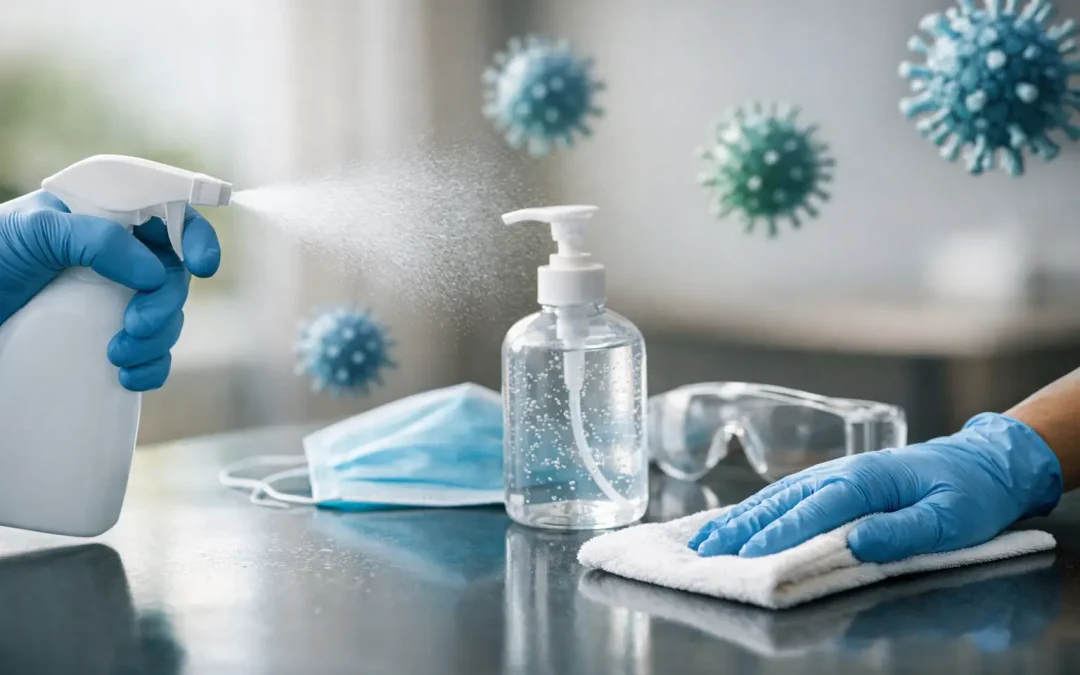
A confirmed illness, a staff absence cluster or a hygiene incident can quickly turn a normal property into a source of concern. This guide to antiviral sanitisation explains what a professional treatment should achieve, where its limits lie and how to make sensible decisions for homes, rental properties and regulated workplaces.
Antiviral sanitisation is not a substitute for routine cleaning, good hand hygiene or excluding unwell people from shared settings. It is a targeted hygiene measure designed to reduce viral contamination on relevant surfaces and, where appropriate, in the wider treated environment. The right response depends on the setting, the level of risk, the people using the premises and the product instructions.
What antiviral sanitisation means in practice
The term is often used broadly, but an effective service involves more than spraying a pleasant-smelling product around a room. It starts with assessing the area, identifying likely contact points and selecting an appropriate disinfectant with a verified antiviral claim. The product must be applied at the correct dilution, in sufficient quantity and left on surfaces for its stated contact time.
For many viruses, a disinfectant tested to recognised antiviral standards, such as EN 14476, may be appropriate. However, the claim, dilution and contact time must be checked against the specific product label and the surfaces being treated. A treatment that is suitable for a hard, non-porous reception desk may not be suitable for food-contact equipment, delicate electronics, untreated timber or upholstery.
Cleaning and disinfection are related but different tasks. Cleaning removes dirt, grease and organic matter that can shield microorganisms and reduce a disinfectant’s performance. Disinfection uses a suitable chemical product to reduce microorganisms remaining on a surface. In an area with visible soiling, cleaning normally needs to come first.
When a treatment is worth considering
A professional antiviral treatment is most valuable when there is a credible hygiene concern and a need for a documented, thorough response. For a homeowner, that might follow a household illness where vulnerable people are present, after a short-term let has had heavy turnover, or before a property is handed back to a landlord. For a business, the trigger may be illness-related absence, contamination in a shared vehicle, an outbreak protocol or a requirement to reassure staff, visitors and clients.
Higher-risk environments require particular care. Care homes, catering premises, logistics operations, waste sites and pharmaceutical facilities may need treatment plans that account for vulnerable occupants, production controls, food safety, restricted access and audit requirements. In these settings, the service should fit the site’s hygiene procedures rather than disrupt them.
Not every situation requires whole-building fogging or a large-scale intervention. A small, contained issue may be better addressed through enhanced cleaning of washrooms, kitchens, touchpoints and shared equipment. Overspecifying a treatment can waste time and budget, while underspecifying it can leave important areas untreated. A site-specific assessment is the sensible middle ground.
A guide to antiviral sanitisation by area
The areas treated should follow how people actually use the building. In a home, that commonly means door handles, light switches, handrails, remote controls, bathroom fittings, kitchen handles and frequently used work surfaces. In a workplace, consider clocks, access panels, lift buttons, keyboards, shared telephones, meeting-room tables, vehicle controls, locker rooms and washroom touchpoints.
High-touch surfaces deserve attention, but they are not the whole picture. Areas around an unwell person’s workstation, sleeping area or frequently used facilities may need a more focused clean and disinfection process. Shared spaces with regular footfall can also benefit from a planned approach, especially entrances, break rooms and reception areas.
A competent operative will consider surface compatibility before treatment. Alcohol-based products can affect some finishes and plastics. Chlorine-based products can be effective in appropriate circumstances but may damage materials, create strong odours and require controlled use. Quaternary ammonium formulations and other professional products also have different performance profiles. There is no single chemical that is right for every building.
Choosing the application method
Manual wiping is often the most reliable method for high-touch, hard surfaces because it allows direct coverage and physical removal of contamination. It is particularly useful for desks, handles, switches and washroom fixtures.
Electrostatic spraying can help distribute disinfectant across complex surfaces, while fine-mist or fogging methods may have a role in larger, difficult-to-reach spaces. These methods should never be treated as a shortcut around cleaning or surface preparation. A mist cannot remove dirt, and poorly controlled fogging can leave uneven coverage or introduce unnecessary exposure risks.
For sensitive premises, the method should be agreed in advance. Electronics may need specialist-safe application; food areas may require post-treatment rinsing where the product label specifies it; and ventilation, alarms and machinery may need to be protected or isolated. Reoccupation times should be clear, based on the product used and the drying or ventilation requirements.
Safety, preparation and re-entry
Before treatment begins, occupants should be told what will happen, which areas will be inaccessible and when they can safely return. People, pets and food should be kept away from the treatment area unless the product instructions explicitly allow otherwise. Open food, crockery, personal items and sensitive equipment should be removed, covered or managed as part of the preparation plan.
The treatment team should use suitable personal protective equipment and follow the product safety data and label directions. More chemical is not better. Incorrect dilution can reduce effectiveness, harm surfaces or create avoidable hazards. Mixing products is also unsafe, particularly where chlorine-based chemicals are involved.
After treatment, surfaces should be allowed to remain wet for the full contact time and then dry as directed. Ventilation is often necessary. In food preparation areas, any required rinsing or wiping must be completed before the space returns to service. A professional provider should give clear re-entry advice rather than relying on vague assurances.
Documentation matters in commercial settings
For many businesses, the value of antiviral sanitisation is not only the treatment itself but the evidence that it was planned and completed properly. Site records can support internal hygiene controls, client assurance and investigations following an incident.
A useful service record should identify the areas treated, the method used, the product applied, relevant dilution and contact-time information, any areas excluded, and the date and time of completion. It should also record practical recommendations, such as increased cleaning frequencies for touchpoints or changes to staff welfare arrangements.
In tightly controlled sectors, documentation may need to fit existing quality systems. Pest Pure Solutions can tailor hygiene-led treatments and reporting to operational requirements, helping sites maintain a clear record without creating unnecessary administrative burden. Where GDP, customer audits or internal governance apply, a generic certificate alone is rarely enough.
Maintaining hygiene after treatment
An antiviral treatment reduces contamination at a point in time. It does not create a permanent protective barrier against future contact. Once people return, surfaces can be recontaminated within hours. The most effective follow-up is a realistic routine that staff or household members can maintain.
Frequently touched surfaces should be cleaned and disinfected at an appropriate frequency, with extra attention during periods of illness. Washrooms need stocked handwashing facilities, waste should be removed promptly, and shared equipment should have clear cleaning responsibility. Good ventilation can also reduce the build-up of airborne contaminants in occupied spaces, although it does not replace surface disinfection.
For commercial premises, review the reasons the treatment was needed. If shared vehicles, crowded break areas or poorly maintained washrooms repeatedly create hygiene concerns, a planned service schedule may be more effective than one-off emergency treatments. Prevention protects operations, reputation and staff confidence.
When to call a professional
Seek professional support when there has been a significant contamination event, a vulnerable setting is involved, access is difficult, or a documented treatment is required. It is also sensible where the correct product choice is uncertain or where a business needs work completed discreetly outside normal operating hours.
The best result comes from a measured response: clean first where needed, use a suitable antiviral disinfectant correctly, treat the areas that matter and maintain standards afterwards. That approach gives households and businesses practical reassurance without making promises that no sanitisation service can honestly deliver.
Recent Comments