
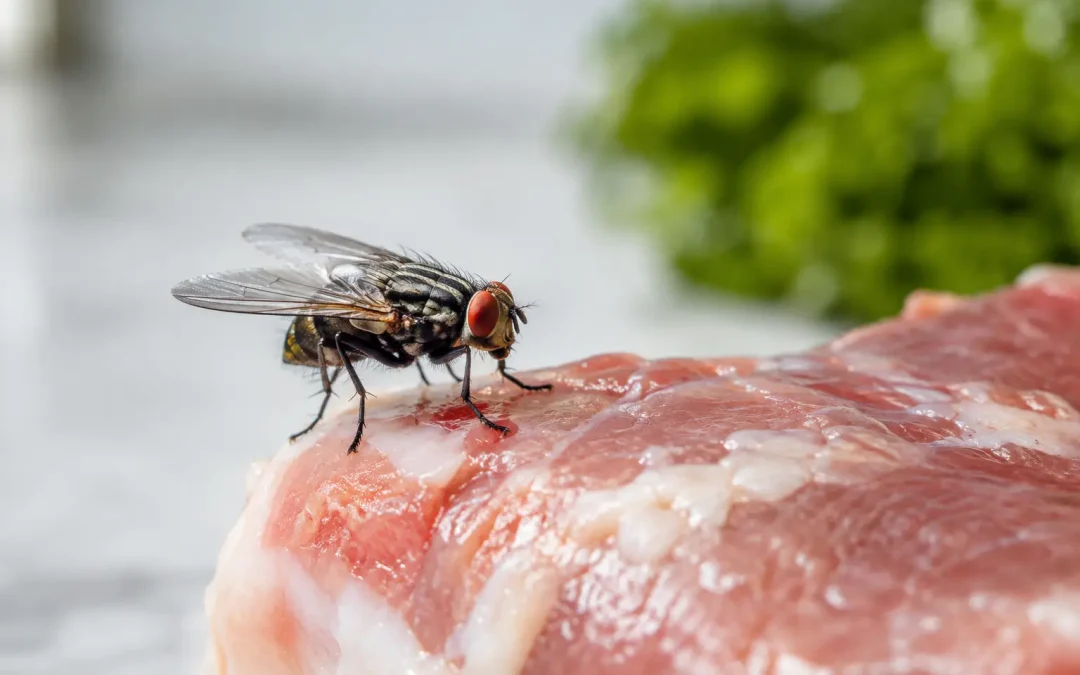
A fly landing on a worktop, meal plate or food preparation surface is more than an irritation. Do flies carry disease? They can carry and transfer harmful micro-organisms, particularly when they have moved between waste, drains, animal matter and food areas. For homes, this creates an avoidable hygiene concern. For catering businesses, care settings, warehouses and regulated sites, it can become an operational and compliance issue.
The level of risk depends on the fly species, the conditions around the property and where the insect has been before it lands. One fly does not automatically mean someone will become ill. However, an active fly problem should never be dismissed where food, vulnerable people, medicines or clean production areas are involved.
Do flies carry disease into homes and businesses?
Houseflies are widely recognised as mechanical carriers of contamination. Unlike biting insects that may transmit a specific disease through feeding, houseflies pick up bacteria and other organisms on their feet, body hairs and mouthparts as they travel through unsanitary areas. They can then deposit those organisms onto food, utensils, work surfaces and packaging.
Flies also feed in a way that makes contamination more likely. A housefly releases digestive fluid onto solid food to break it down before feeding, and may leave faecal spots behind. If the fly has recently visited bins, pet waste, spoiled food, drains, animal areas or sewage-contaminated material, this behaviour can transfer germs into cleaner spaces.
Research has associated flies with a range of bacteria, including strains linked to food poisoning and gastrointestinal illness, such as Salmonella, E. coli, Campylobacter and Listeria. They may also carry parasites and viruses in certain conditions. The practical message is not that every fly is infected, but that flies move freely between contamination sources and places where hygiene matters.
This is why the sight of flies in a kitchen, food store, dining area or care environment should trigger an assessment of the source, not simply a quick spray or swat.
Why flies create a bigger hygiene risk than expected
A fly infestation is often a symptom of a condition that needs attention. Houseflies breed in decaying organic material, which can include food waste, overflowing bins, poorly managed refuse areas, animal waste and soiled cleaning materials. A warm, accessible breeding source can support rapid development from eggs to adult flies.
Inside a property, flies may be attracted by spills beneath equipment, residues around bins, damaged seals on waste containers or food left uncovered. In commercial premises, a missed cleaning point, poorly maintained external waste area or open delivery door can be enough to sustain activity.
Small flies can also provide useful clues. Fruit flies are usually associated with overripe produce, drink residues and fermenting matter. Drain flies may indicate organic build-up in drains or gulleys. These species are not managed in exactly the same way as houseflies, but their presence still warrants investigation because they point to moisture, waste or sanitation issues.
In sensitive sectors, the concern goes beyond the immediate hygiene risk. A visible fly issue can lead to customer complaints, failed audits, damaged stock, disruption to operations and reputational harm. Businesses handling food or operating under strict quality procedures need clear evidence that risks have been identified and controlled.
Areas where fly contamination is most likely
Flies are most problematic where a route exists between a breeding source and a clean area. That route may be as obvious as an open bin beside a back door, or as hidden as food debris behind a fixed unit.
In domestic properties, kitchens, utility rooms, pet feeding areas and wheelie-bin storage points deserve regular attention. Food should be covered, bins emptied frequently and recycling rinsed before it is stored. In warmer spells, waste can become attractive very quickly, especially if it contains meat, dairy products or pet food.
For commercial sites, particular attention should be given to waste compounds, loading bays, staff canteens, food preparation rooms, wash-up areas, drains, storage areas and entrances. Doors that are regularly held open, damaged insect screens and gaps around service pipes can all give flies an easy route indoors.
Care homes, catering operations and pharmaceutical or logistics facilities face different risks, but the principle is the same: prevent access, remove breeding opportunities and respond promptly to signs of activity. A control programme must reflect how the premises actually operates rather than applying a generic treatment.
Practical fly prevention that supports good hygiene
Effective prevention is built around sanitation and exclusion. Killing visible adult flies may give short-term relief, but it will not resolve the issue if a breeding or feeding source remains available.
The following actions make a meaningful difference:
- Keep internal and external bins clean, closed and emptied at suitable intervals.
- Remove food debris from floors, beneath appliances, behind equipment and from drains.
- Store food in sealed containers and keep preparation surfaces clean and dry.
- Rinse recyclable containers before placing them in storage.
- Repair damaged window screens, door seals and gaps around pipework where practical.
- Keep external waste and delivery areas tidy, with lids closed and spills dealt with promptly.
For householders, these measures will often reduce occasional fly activity. Yet recurring flies, large numbers of flies or flies appearing from one particular area usually indicate that further investigation is needed. It is tempting to focus only on the flies seen near a window, but the source may be in a drain, void, bin area or inaccessible section of the property.
When professional fly control is the right response
Professional pest control is advisable where flies are repeatedly appearing, breeding is suspected, food hygiene is affected or an organisation needs documented control measures. The right approach begins with inspection. A technician should identify the fly type, assess likely breeding sites, examine access points and understand the site’s cleaning and waste arrangements.
Treatment may involve targeted fly control measures alongside recommendations for sanitation, proofing and waste management. The exact method depends on the species, level of activity and environment. A treatment suitable for a domestic kitchen may not be appropriate for a food production area, healthcare setting or warehouse with sensitive stock.
For commercial clients, ongoing service visits can help demonstrate due diligence and ensure emerging issues are addressed before they become disruptive. Clear service records, site findings and practical recommendations are especially valuable where hygiene standards, customer audits or internal quality controls apply.
Pest Pure Solutions provides professional fly control for homes and businesses across Dublin and surrounding counties, with a focus on addressing the cause of activity as well as the visible insects. For regulated premises, a structured approach supports hygiene protection without losing sight of day-to-day operations.
What to do if you find flies around food
If a fly has landed on uncovered food, the sensible decision depends on the setting and the food involved. At home, it is often best to discard exposed ready-to-eat food where contamination is a concern, then clean the surface and look for the reason flies are present. Do not assume that simply brushing a fly away has removed the hygiene risk.
In a business, follow the site’s food safety or contamination procedure. Isolate any affected food or packaging where required, clean and disinfect the area in line with your procedures, and record the incident if your system requires it. Repeated events should be escalated, as they may indicate a wider issue with access, cleaning or waste handling.
A few flies can be the first warning that conditions have changed. Acting early protects food hygiene, reduces the likelihood of a larger infestation and gives households and businesses more control over the problem.
Recent Comments