
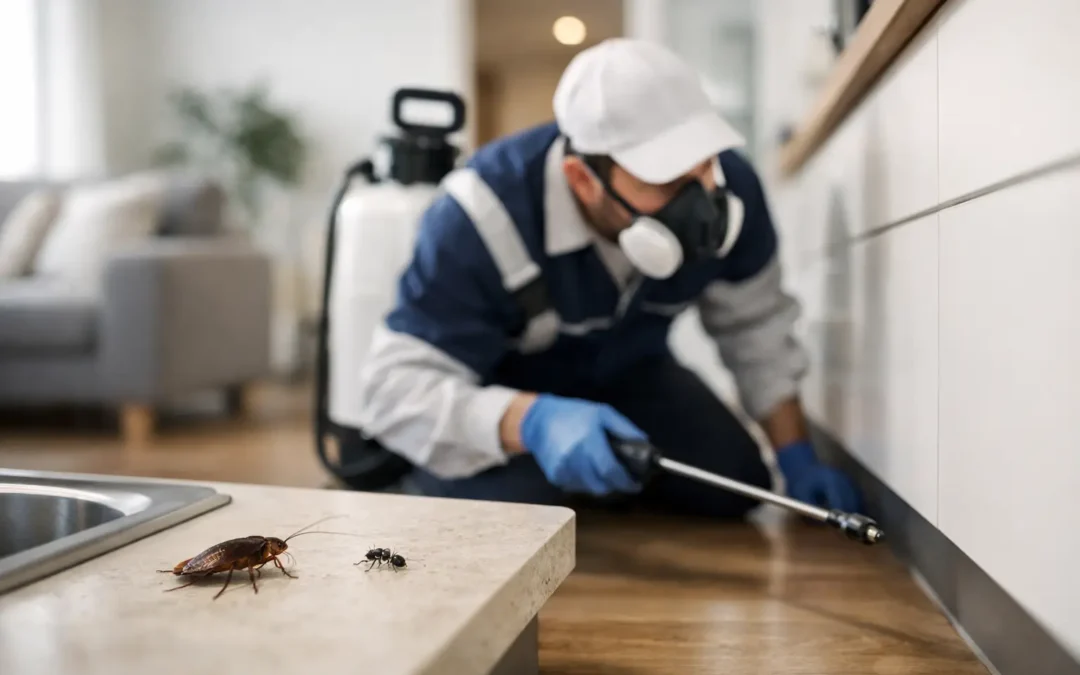
When pests show up in a flat, the first question is usually not what they are, but how quickly they can be dealt with without turning the whole building upside down. That is where understanding how flat pest control works becomes useful. In most cases, it is a structured process that starts with inspection, moves into targeted treatment, and ends with follow-up and prevention.
How does flat pest control work in practice?
Flat pest control is rarely a one-visit, one-spray job. A professional service will first look at the type of pest, how far the activity has spread, how the building is laid out, and whether the issue is isolated to one unit or affecting shared areas as well. That matters because pests do not respect tenancy boundaries. Mice move through voids, cockroaches travel along service routes, and bed bugs can spread between adjoining rooms and neighbouring flats.
The aim is not simply to kill visible pests. The aim is to locate the source, interrupt breeding or harbourage, and reduce the chance of re-infestation. In a block setting, that often means combining treatment with practical advice for occupants, landlords, or property managers.
The process usually starts with inspection
A proper inspection is the foundation of effective pest control. Without it, treatment can be too broad, too light, or focused on the wrong area entirely. During inspection, a technician will look for signs such as droppings, smear marks, nesting material, insect casings, bites, live sightings, and entry points around pipework, skirting, vents, windows, and doors.
The inspection also helps answer a few important questions. Is this a recent problem or an established infestation? Is it limited to one room, one flat, or multiple units? Are hygiene conditions, moisture, stored goods, or structural gaps making the problem worse? These details shape what happens next.
In some buildings, access can be a limiting factor. If only one flat is treated but the pest activity is coming from a neighbouring property, a bin store, a riser cupboard, or a communal service void, results may be slower. That does not mean treatment has failed. It means the source may sit outside the immediate room where the pest was first noticed.
Treatment depends on the pest involved
Different pests require different methods, and this is where professional judgement matters. Rodents, crawling insects, bed bugs, fleas, moths, wasps, and flying insects all behave differently, so they cannot be managed with a single approach.
For mice or rats, treatment may involve tamper-resistant bait stations, traps, proofing advice, and a close inspection of access routes. In flats, rodents often enter through service penetrations under sinks, behind appliances, or around heating and plumbing lines. If these gaps are left open, treatment may reduce numbers but not solve the underlying issue.
For ants and cockroaches, gel baits and targeted insecticide applications are commonly used. These treatments are placed where pests travel and harbour rather than sprayed indiscriminately. That is safer, more controlled, and usually more effective in occupied homes.
Bed bug treatment tends to be more intensive. It often includes detailed inspection of beds, furniture, skirting, sockets, and soft furnishings, followed by professional application and clear preparation guidance for the occupant. With bed bugs, follow-up visits are often essential because eggs can survive the first round and hatch later.
Fleas are another pest where timing matters. Treatment can be highly effective, but if pets, textiles, and surrounding conditions are not managed properly, the life cycle may continue. That is why technicians usually explain what residents must do before and after the visit.
Occupant preparation is part of the job
One reason flat pest control sometimes appears slow is that treatment success depends partly on access and preparation. Residents may need to empty cupboards, move furniture, wash bedding at high temperature, vacuum thoroughly, or keep children and pets out of treated areas for a set period.
This is not an inconvenience for its own sake. It allows the technician to reach hiding places and apply products correctly. If the preparation is incomplete, pests may remain hidden in untreated harbourages and return once activity settles.
Good pest control companies give clear, realistic instructions. They also adapt those instructions to the household. A family with young children, an elderly tenant, or a vulnerable resident may need a different plan from a vacant rental property. The treatment still needs to work, but it also needs to be safe and practical.
Flats need a different approach from standalone houses
The main difference in a flat is shared structure. Walls, floors, pipe chases, loft spaces, balconies, refuse areas, and communal corridors can all influence the infestation. If a pest issue is linked to building fabric or shared services, the response may need cooperation between the tenant, landlord, managing agent, or block management company.
This is especially true for mice, cockroaches, bed bugs, and flies linked to waste storage. A technician may treat one unit successfully, but if surrounding conditions remain favourable, activity can continue nearby. That is why professional pest control often includes recommendations beyond the treatment itself, such as proofing gaps, improving waste handling, addressing moisture, or cleaning heavily affected areas.
For landlords and managing agents, this matters for another reason. Delay often increases cost. A minor issue confined to one kitchen cupboard is much easier to resolve than a building-wide problem that has spread through multiple units.
How follow-up visits fit into flat pest control work
Many people expect pest control to be complete after one attendance, but that depends on the pest and the severity of the activity. Some issues can be resolved quickly. Others need monitoring, re-treatment, or confirmation that bait uptake has stopped and harbourages are no longer active.
Follow-up visits allow the technician to assess whether the treatment is working as expected. They can replace bait, adjust product placement, inspect fresh evidence, and decide whether the problem is reducing or whether another source needs to be addressed. In communal living environments, this staged approach is often the most reliable one.
This is also why cheap, rushed treatments often disappoint. If no one returns to check results, there is no proper way to verify whether the infestation has ended or simply gone quiet for a few days.
Safety, discretion and compliance
Residential clients want treatment that is safe and discreet. Commercial operators with flats on-site, staff accommodation, or managed residential portfolios often need documented service records as well. A professional provider should explain what products are being used, where they are applied, what precautions are required, and when the area can be used normally again.
For regulated settings, documented inspections and treatment records are particularly important. Pest control is not just about removing pests. It can also support hygiene standards, audit readiness, and operational continuity. That is one reason businesses and landlords often prefer a specialist provider over a general handyman approach.
In higher-risk environments, the reporting side matters almost as much as the treatment itself. Clear records help show that the issue was identified, assessed, and managed appropriately.
Prevention is what keeps the problem from coming back
The final part of the answer to how flat pest control works is prevention. Once active pests have been reduced, the focus shifts to making the property less attractive and less accessible. That may include sealing entry points, improving storage, reducing clutter, managing food waste, repairing leaks, and reviewing cleaning routines.
Prevention advice should be practical. Telling a resident to keep a home spotless is not enough, and it is often not the real issue anyway. Many infestations start because of structural access, moisture, neighbouring activity, or inherited problems from previous occupants. A good technician will distinguish between lifestyle factors and building faults instead of making assumptions.
This is where a professional, hygiene-led service can add real value. Companies such as Pest Pure Solutions do not just apply treatment. They look at the wider conditions that allowed the pest issue to develop in the first place, which is often what makes the result more durable.
If you are dealing with pests in a flat, the most helpful next step is not guesswork or repeated shop-bought treatments. It is getting a proper inspection, a clear treatment plan, and honest advice on whether the issue is isolated or part of a wider building problem.
Recent Comments