
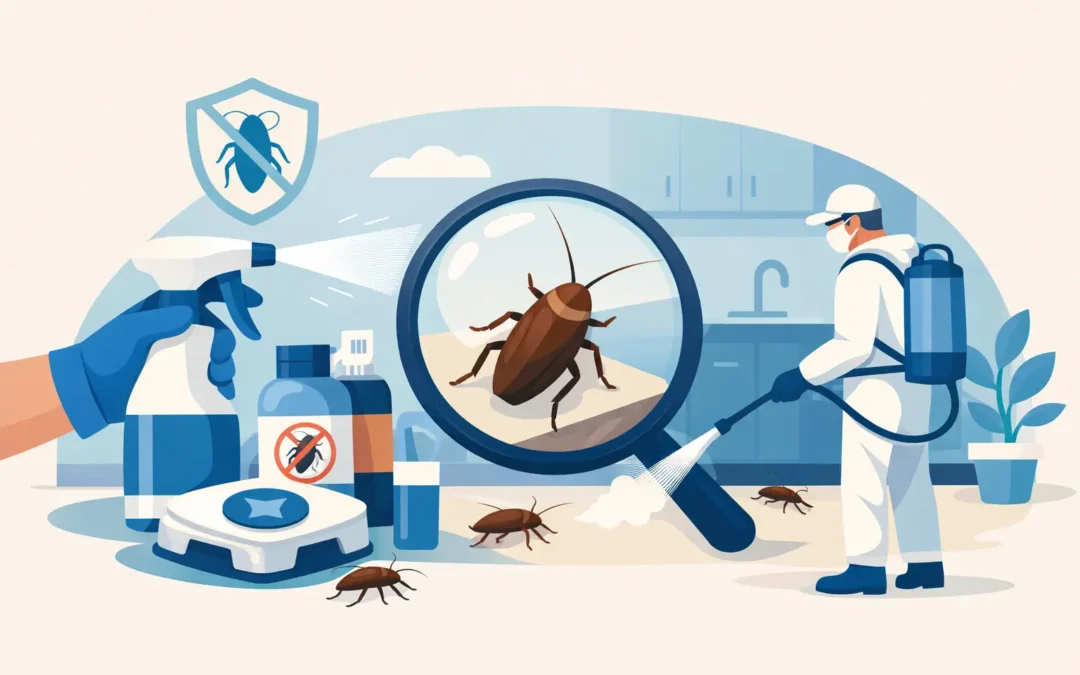
Seeing one cockroach in the kitchen at night usually means you are not dealing with just one roach. That is why the best home pest control for roaches is rarely a single spray or trap. Effective control comes from combining the right treatment with good hygiene, moisture control and, when needed, professional follow-up.
Cockoaches are difficult to manage because they hide well, breed quickly and can survive in very small harbourage areas. They are drawn to warmth, food residue, grease, cardboard, leaking pipework and clutter. In homes, they are most often found in kitchens, utility rooms, boiler cupboards, bathrooms and behind appliances. In flats and shared buildings, they can also travel between units through service ducts, pipe runs and wall gaps.
What is the best home pest control for roaches?
For most homes, the best home pest control for roaches is a combination of gel bait, monitoring traps and targeted housekeeping improvements. That mix works better than relying on aerosol sprays alone, which often kill only the roaches you can see and may scatter the rest deeper into hiding.
Gel bait is typically the most effective DIY option because roaches feed on it in their harbourage areas and carry contamination back to others. This makes it more useful than broad surface spraying in many domestic situations. Sticky monitors help you understand where activity is highest, whether numbers are rising or falling, and whether treatment is working. Good housekeeping and proofing reduce the food, water and shelter that allow an infestation to continue.
That said, the right approach depends on the scale of the problem. A minor, recent issue in one room may respond well to careful home treatment. A long-standing infestation, repeated sightings in daylight, activity in multiple rooms or signs in a block of flats usually calls for professional treatment.
Why sprays alone often disappoint
A common mistake is buying a strong-smelling aerosol and treating every visible surface. It feels decisive, but it is not always effective. Roaches spend most of their time hidden in cracks, behind kickboards, around electrical sockets, under sinks and inside appliance voids. Surface sprays may miss those spaces entirely.
There is another issue. Some over-the-counter sprays can repel roaches from treated areas without eliminating the nest. Instead of solving the problem, they spread activity into wall voids or neighbouring rooms. If gel bait is being used, heavy spraying can also contaminate bait placements and reduce feeding.
This does not mean sprays have no place. A targeted residual product, used exactly as labelled and kept away from food preparation areas until safe, can support treatment in some cases. It simply should not be your whole strategy.
The most effective home treatment options
Gel baits
For domestic use, gel baits are usually the strongest option where legal products are available and applied correctly. Small placements near harbourage points are better than large blobs in open areas. Think behind the fridge, beside pipe entry points, inside cabinet hinges, under the sink and near the back of cupboards.
Bait works best when competing food sources are reduced. If crumbs, grease and pet food are easy to access, roaches have less reason to feed on the treatment. This is why cleaning and baiting need to happen together.
Sticky monitors and traps
Monitors are useful for two reasons. First, they confirm where roaches are active. Secondly, they show whether numbers are falling after treatment. Place them along wall edges, behind appliances and near suspected harbourage areas rather than in the middle of the floor.
They are not usually enough to clear an infestation on their own, but they are excellent for tracking progress and spotting lingering activity.
Insect growth regulators
Some treatment programmes include products that disrupt breeding and development. These are more common in professional work, but the principle matters for homeowners too. If you only kill active adults and ignore the life cycle, the problem can reappear quickly.
Dusts for voids and cracks
In dry, inaccessible areas, insecticidal dust can be helpful. It should be used carefully and only in appropriate locations such as inaccessible cracks or service voids. Misuse creates contamination risks, especially in family homes, and visible dust deposits are not a sign of good treatment.
The home conditions that keep roaches alive
You can apply good products and still get poor results if the environment is helping the infestation. Roaches need food, water and shelter. In many homes, water is the overlooked part.
A tiny leak under the sink, condensation around plumbing, standing water in a drip tray or damp around a washing machine can support activity. Kitchens and bathrooms are obvious risk areas, but utility spaces and hot press cupboards can also provide ideal conditions.
Food sources are often smaller than people expect. Grease around the cooker, crumbs under toasters, residue in recycling bins, spilled dry goods in cupboards and pet bowls left down overnight all matter. Even cardboard storage can help by providing shelter close to warmth and food.
Clutter also makes treatment harder. Packed cupboards, stacked paper bags and filled utility corners create protected harbourage and reduce access for inspection.
How to improve your chances of success at home
If you are trying to deal with cockroaches yourself, the practical steps matter as much as the product choice. Clean food debris thoroughly, especially around appliances and under units. Store dry foods in sealed containers. Empty bins regularly and keep lids closed. Fix leaks and reduce standing water. Avoid leaving pet food out overnight. Declutter around known activity points so treatments can reach the right areas.
It is also worth sealing obvious gaps once activity is under control. Openings around pipes, damaged sealant, broken vents and gaps behind fitted units can all allow movement and harbourage. In flats or terraced settings, structural gaps can make reinfestation more likely.
Patience is important. Cockroach control is rarely instant. You should be looking for a steady reduction in sightings and trap catches over days and weeks, not expecting every insect to disappear overnight.
When DIY cockroach control is not enough
Signs you need a professional
If you are seeing roaches during the day, the infestation may be well established. If you have treated repeatedly and still find activity after several weeks, something is being missed. If multiple rooms are affected, if neighbours have similar issues or if the property is a flat, shared accommodation or food-related premises, professional treatment is usually the safer and more reliable route.
Homes with children, pets or vulnerable occupants also deserve extra care in product selection and placement. Professional treatment is not just about stronger products. It is about accurate identification, safe application, finding harbourage points and building a treatment plan that matches the property.
Why proper inspection matters
A trained technician does more than treat visible insects. They inspect the conditions that allow the infestation to persist. That includes moisture sources, service entry points, hidden harbourage, appliance voids and signs of spread. In some cases, the issue is not limited to one room or one property, and treatment must reflect that.
For landlords and commercial operators, that level of inspection matters even more. Roaches create hygiene risk, can damage reputation and may trigger wider compliance concerns in regulated environments.
Best home pest control for roaches in flats, rentals and busy homes
Shared buildings need a slightly different mindset. The best home pest control for roaches in a detached house may not be enough in a block where insects can move through pipework and structural gaps. You may reduce activity in your own kitchen, only to see it return from an adjoining unit.
In rented property, speed matters. Delaying treatment gives roaches more time to establish harbourage and spread. Tenants should report issues early and keep records of sightings, while landlords should treat the problem as a building hygiene issue, not just a one-room nuisance. Coordinated action is often the only lasting solution.
Busy family homes can also struggle because treatment competes with normal life. Frequent cooking, packed cupboards, prams, laundry, pet feeding and constant movement make harbourage harder to expose. In these settings, a realistic plan is more useful than aiming for perfection overnight.
What good cockroach control should achieve
Good treatment should do three things. It should reduce active numbers, interrupt breeding and remove the conditions that support reinfestation. If one of those elements is missing, results are often temporary.
For homeowners, that means looking beyond the product label and focusing on the full picture. For businesses, particularly in catering, care, logistics or regulated sectors, it means using a provider who can combine eradication with documented monitoring, hygiene awareness and practical prevention.
Pest Pure Solutions works with both domestic and commercial clients across Dublin, Kildare, Meath, Wicklow and surrounding towns and areas where fast, discreet and technically sound pest control is essential. Whether the issue starts in a home kitchen or a sensitive commercial setting, the same principle applies – treat the infestation properly, fix the conditions behind it, and verify that the activity has stopped.
If you are dealing with roaches at home, act early and be methodical. The longer they are left, the harder they are to remove, and the more likely it is that a small hygiene issue becomes a larger property problem.
Recent Comments