
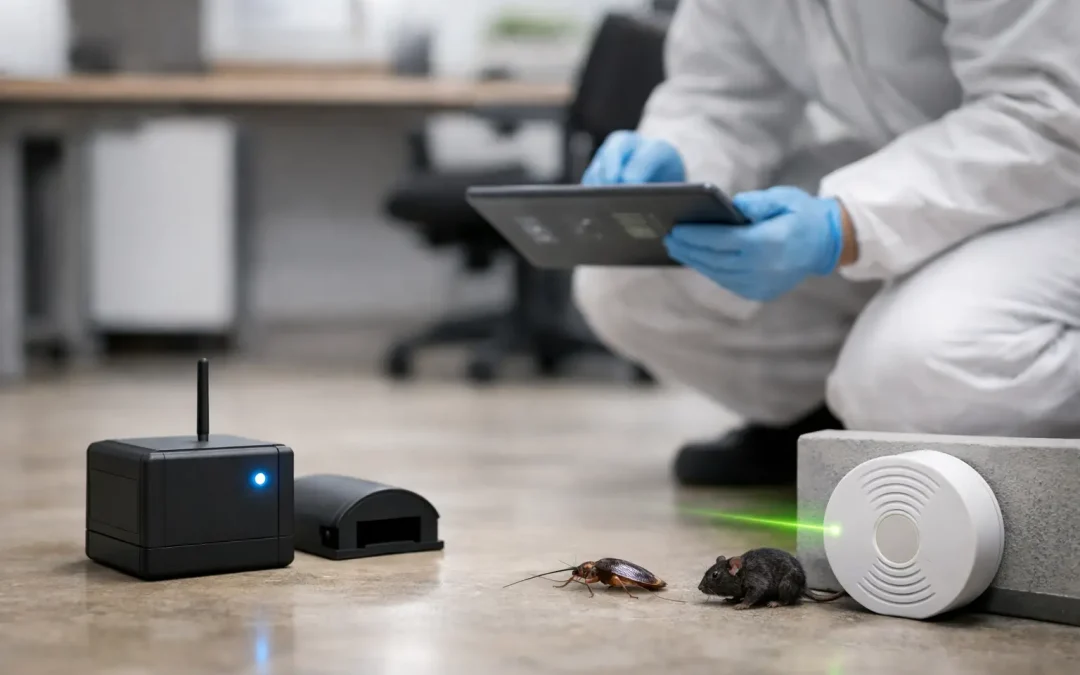
A missed rodent activity alert in a food store, care home or pharmaceutical facility can quickly become more than a pest issue. It can affect hygiene standards, stock, audit readiness and public confidence. Pest control automation helps turn routine monitoring into an earlier, more traceable response – but it works best when it supports experienced pest management rather than replacing it.
For homeowners, automated monitoring can provide reassurance where activity is intermittent or difficult to spot, such as in lofts, voids and sheds. For commercial sites, it can improve the speed and consistency of pest reporting across large, busy or high-governance premises. The value lies in using the right technology alongside physical inspections, proofing and practical corrective action.
What is pest control automation?
Pest control automation describes the use of connected devices, digital systems and scheduled workflows to detect, record and manage pest risk. It may include remote rodent-monitoring devices, digital trap alerts, electronic fly-control monitoring, online service records and reporting platforms that flag recurring activity or overdue actions.
A traditional pest management programme relies on regular technician visits, inspection findings and treatment records. Automation adds another layer. Instead of waiting until the next planned inspection to discover a triggered trap or a rise in activity, an alert may be sent sooner to the service team or site contact. This can reduce the time between detection and investigation.
It does not mean a property can be left unattended. An alert can show that something has happened, but it cannot reliably explain why rodents entered, whether a cockroach issue is developing in a neighbouring area, or whether poor waste handling is attracting flies. Those decisions still require competent assessment on site.
Where automated pest monitoring adds value
Automation is particularly useful where pest risk needs close oversight or where there are multiple monitoring points to manage. Warehouses, logistics sites, catering businesses, care settings, waste facilities and pharmaceutical operations can all benefit from prompt, documented information.
Faster action on rodent activity
Rodent activity is often most apparent outside normal operating hours. A remotely monitored device can notify the relevant team when it is activated, allowing a technician to assess the location sooner. This matters in sensitive areas where rats or mice may contaminate materials, damage cabling or compromise hygiene controls.
The alert is only the first step. A professional response should consider entry points, harbourage, food sources, external vegetation, drainage defects and waste-storage practices. Without proofing and environmental improvement, repeated captures can become a pattern rather than a solution.
Better oversight across larger sites
On a large commercial premises, pest control points may be spread across loading bays, plant rooms, roof spaces, staff areas, external boundaries and storage zones. Digital records help site managers see which areas are receiving attention and where repeat issues are occurring.
For businesses with strict governance requirements, clear records also make it easier to demonstrate that monitoring, inspections and corrective actions are being managed consistently. This is especially valuable when preparing for customer audits, internal reviews or compliance inspections.
Clearer reporting and trend analysis
Digital service reports can bring together inspection observations, device activity, treatment details, proofing recommendations and follow-up actions. Over time, the data may reveal trends that are easily missed when records are stored separately.
For example, an increase in fly activity near a particular waste area may point to a cleaning, drainage or waste-collection issue. Regular activity at one external rodent point could indicate a gap beneath a door, damage around a service pipe or changes to neighbouring land. The best reports do not simply count pests. They help identify the conditions that allow pests to thrive.
Technology is not a substitute for professional inspection
The main limitation of pest control automation is that devices monitor only the area and risk they are designed for. A sensor cannot inspect a roof void for bird access, identify bed bug signs in a bedroom, assess flea activity in soft furnishings or determine whether an insect found on site is a stored-product pest.
It can also produce misleading confidence if devices are poorly positioned, not maintained or used without a clear pest risk assessment. A site with several connected traps may still have an unprotected delivery door, overflowing bins or gaps around utility penetrations. Those weaknesses need physical inspection and remedial work.
Professional pest control remains a practical, evidence-led service. Technicians assess the species involved, the level of activity, the likely source and the safest proportionate treatment. They can also advise on hygiene, housekeeping, exclusion measures and monitoring frequency. In regulated environments, a Certified Field Biologist can add further technical oversight where risk assessment and detailed reporting are required.
Building an effective automated pest management programme
A useful programme begins with the property, not the device. Before automation is introduced, the site should be assessed for pest pressures, sensitive areas, operational routines and likely routes of entry. A domestic property with occasional mouse activity needs a different approach from a multi-unit catering site or a pharmaceutical warehouse.
The system should then be designed around the risk. Monitoring points need sensible placement, a schedule for physical checks and an agreed process for responding to alerts. The responsible person should know who receives notifications, what happens outside working hours and how urgent action is recorded.
For commercial clients, the programme should also define responsibilities. Pest management may identify a proofing gap, but an on-site maintenance team might need to complete the repair. A waste contractor may need to address collection frequency, while cleaning teams may need to change procedures in a problem area. Automation is most effective when these actions are tracked to completion rather than noted and forgotten.
Data protection and site security deserve consideration too. Connected devices and reporting portals should be appropriate for the organisation’s policies, particularly in controlled environments. Access to reports should be limited to relevant personnel, and records should be retained in line with business and compliance requirements.
Choosing between automation and standard monitoring
Not every pest concern needs automated equipment. A one-off wasp nest treatment, an ant issue in a kitchen or a suspected bed bug infestation usually calls for prompt inspection and targeted treatment, not remote monitoring. The same applies when visible evidence already shows an active problem that needs immediate action.
Automation tends to be more worthwhile when monitoring is ongoing, risk is high, premises are large or a rapid response can prevent meaningful loss. It may also support businesses that need detailed service history and trend data for audits. Costs should be assessed against the likely benefit, including reduced disruption, fewer repeat incidents and stronger compliance evidence.
For smaller premises, a well-planned routine service with clear reports may provide all the control required. The right choice depends on the pest risk, the building layout, the sector and the consequences of delayed detection.
Automation works best with prevention
The most reliable pest programmes reduce the reasons pests enter in the first place. Good housekeeping, secure waste management, food-storage controls, drainage maintenance, door seals and pest proofing often make a greater long-term difference than any device alone.
Pest Pure Solutions can combine professional monitoring with tailored treatment, proofing and detailed reporting for homes and businesses across Dublin and the surrounding counties. The aim is not simply to record activity, but to reduce it and protect the hygiene standards that matter to residents, staff, customers and inspectors.
If an automated alert identifies a problem, treat it as useful evidence rather than the final answer. A quick, informed inspection and a practical prevention plan are what turn that notification into lasting control.
Recent Comments