
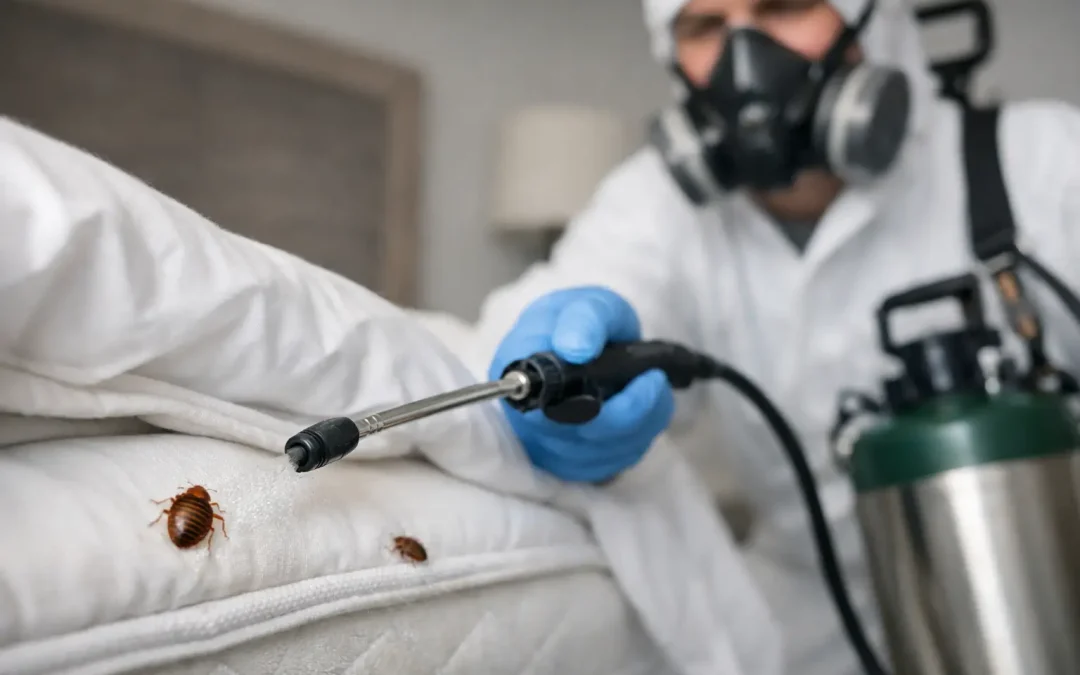
Bed bugs are rarely solved by a single spray or a quick clean. They hide deep in mattress seams, bed frames, skirting boards, soft furnishings and small cracks around a room, often emerging only briefly to feed. The best pest control for bed bugs is a planned professional treatment that reaches those hiding places, interrupts the breeding cycle and includes a clear follow-up process.
For homeowners, landlords and business operators, the priority is understandable: remove the infestation quickly, discreetly and safely. The right approach depends on the scale of activity, the property layout, the occupants and whether the site has particular hygiene or compliance requirements. What should not vary is the need for a thorough inspection and treatment carried out by a trained pest professional.
What Is the Best Pest Control for Bed Bugs?
The most effective bed bug control uses an integrated approach rather than relying on one product alone. A professional technician begins by identifying where bed bugs are active, assessing the extent of the infestation and checking adjoining rooms or units where relevant. This matters because bed bugs can move through wall voids, along pipework and between neighbouring bedrooms in flats, hotels, care settings and shared accommodation.
Once the inspection is complete, treatment is selected for the site. Professional insecticide applications remain highly effective when used correctly, particularly where residual products can be applied precisely to known harbourage points. Bed bugs may cross treated areas after leaving their hiding places, helping to control insects that were not visible during the first visit.
Heat treatment can also be an excellent option in suitable circumstances. Raising room temperatures to a level lethal to bed bugs and their eggs can treat a broad area quickly, but success depends on correct preparation, specialist equipment and close temperature monitoring. Heat does not automatically suit every property. Electronics, delicate materials, sprinkler systems, room contents and the risk of insects sheltering beyond the treated zone must all be considered.
In many cases, the best result comes from combining carefully targeted treatment with practical preparation, monitoring and a scheduled follow-up visit. This allows the technician to deal with newly emerged insects and confirm that activity has stopped.
Why Bed Bug Treatment Needs More Than a Spray
Bed bugs are difficult because they are exceptionally good at remaining out of sight. Eggs can be tucked into narrow gaps and may survive a treatment that only reaches exposed insects. A room can appear clear for several days, then show fresh signs as eggs hatch or hidden adults become active.
Over-the-counter products can also create false confidence. Some do not reach the harbourages where bed bugs are resting, while others may drive insects further into wall gaps or into adjoining rooms. Foggers are especially poor at penetrating deep hiding places and can spread treatment chemicals through a room without delivering reliable control where it is needed.
Repeated DIY applications can delay proper treatment and make it harder to understand the pattern of infestation. For a small, early problem, laundering bedding at the appropriate temperature, vacuuming carefully and reducing clutter may support control. These steps are useful preparation, but they are not usually a complete solution once bed bugs have established themselves.
The Professional Bed Bug Control Process
A dependable service starts with a detailed inspection. Technicians look for live insects, pale eggs, shed skins and dark spotting around beds, upholstered furniture, bedside units and room edges. It is also important to ask when bites or sightings began, whether anyone has recently travelled, and whether second-hand furniture or belongings have entered the property. Bed bugs are not a sign of poor hygiene. They are commonly introduced through luggage, visitors, deliveries and shared buildings.
Preparation instructions are then provided before treatment. This may include removing bedding for laundering, clearing items from beneath beds, bagging affected textiles securely and allowing access to bed frames, furniture edges and skirting boards. Occupants should not move loose belongings into other rooms unless advised, as this can transfer bed bugs to new areas.
During treatment, the technician applies the chosen method to the places bed bugs are most likely to harbour. Precision is essential. Treating a whole room indiscriminately is not the same as treating it effectively. Professional products must be used according to their label, with careful consideration for children, pets, vulnerable occupants and the intended use of the premises.
A follow-up inspection or treatment is a key part of the process, not an optional extra. Depending on the treatment method and level of activity, a second visit may be required to target insects that have hatched since the initial work. This structured approach is one reason professional treatment offers a better prospect of complete control than a one-off household product.
Heat Treatment Versus Insecticide Treatment
Both approaches can be effective, but neither should be presented as a universal answer.
Heat treatment is valued for its ability to kill bed bugs at all life stages within the treated area, including eggs, when the correct temperature is achieved and maintained. It may be particularly useful when a rapid reduction in activity is needed, or where chemical use needs to be limited. However, it requires substantial preparation and professional management. Untreated adjoining areas and poor heat circulation can leave surviving insects behind.
Residual insecticide treatment is highly targeted and can continue working after the visit, giving it an advantage against insects emerging from concealed harbourages. It may be more practical for certain domestic properties and commercial rooms. The trade-off is that control can take longer, and follow-up is normally needed to achieve the best outcome.
The right choice should follow an inspection, not a sales pitch. A responsible pest controller will explain the proposed treatment, what preparation is required, how long rooms must remain vacant where applicable, and what results to expect over the following days and weeks.
Bed Bugs in Commercial and Sensitive Settings
For hotels, care homes, student accommodation, rental portfolios and workplaces with rest areas, a bed bug incident can quickly become a reputational and operational problem. Discretion and documentation matter as much as treatment itself.
A commercial response should include a clear inspection record, treatment details, recommendations for housekeeping or maintenance teams, and a practical plan for reopening rooms or managing affected areas. In multi-room buildings, the inspection may need to extend beyond the room where the first report was made. Treating only the visible source can leave the wider issue unresolved.
Care environments require particular sensitivity. Residents may be distressed by bites, sleep disruption or the disruption of moving rooms. Treatment plans must balance effective eradication with the welfare of residents, safe working procedures and clear communication for staff. Businesses operating under strict hygiene and governance standards also benefit from accurate reporting that demonstrates a measured, professional response.
Pest Pure Solutions provides discreet bed bug treatment for homes and commercial premises across Dublin and the surrounding counties, with recommendations tailored to the site and its operational needs.
How to Prevent Bed Bugs Returning
Prevention does not mean living cautiously in your own home or asking guests to do the same. It means recognising the common routes by which bed bugs arrive and responding early. Check luggage after travel, inspect second-hand beds and upholstered furniture before bringing them indoors, and report suspected activity promptly in rental or shared accommodation.
After professional treatment, follow the technician’s instructions closely. Avoid deep cleaning or washing treated edges before the advised time, as this can remove residual product. Continue to use the room as instructed, as normal activity can encourage hidden bed bugs to cross treated surfaces. Mattress encasements may also be recommended where appropriate, but they should support a treatment plan rather than replace one.
If bites continue, do not assume treatment has failed immediately. Skin reactions vary greatly and may appear days after a bite. Instead, look for objective signs such as live insects, spotting or shed skins, and report any concerns at the follow-up visit.
A bed bug problem is stressful, but it is manageable with calm action and the right level of professional control. The most useful first step is to arrange an inspection early, before a small and contained issue becomes one that affects more rooms, more people and more of the property.
Recent Comments