
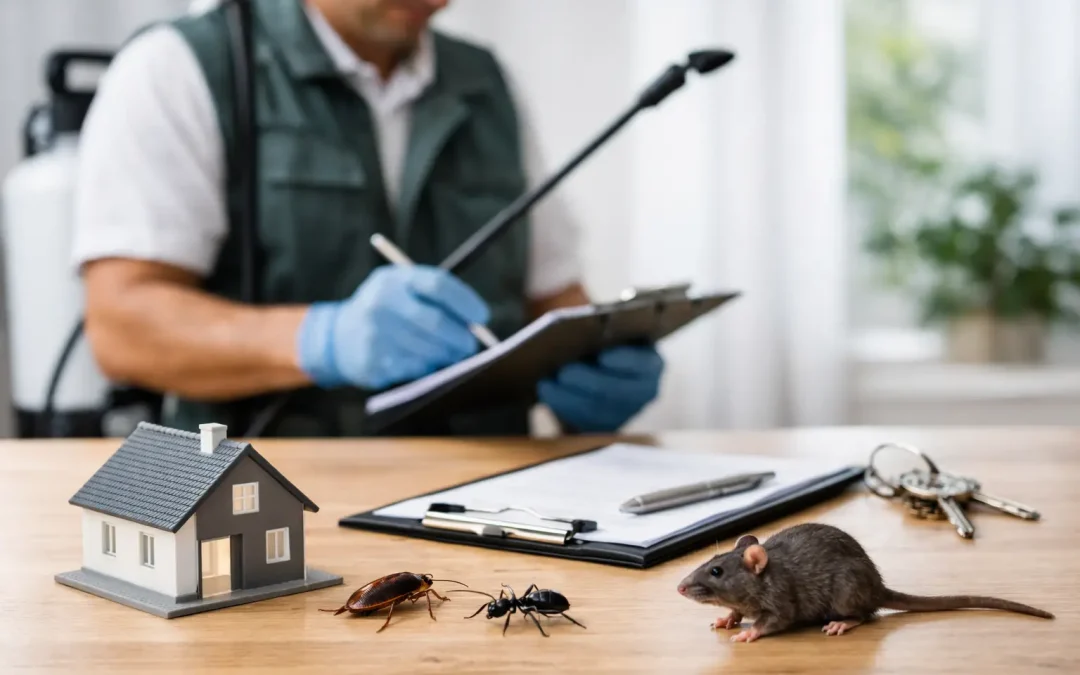
A mouse sighting in a kitchen, a wasp nest beside a family garden or fly activity in a food area can demand immediate treatment. But where pests could return, or where hygiene and audit standards are at stake, a one-off visit is rarely the whole answer. This guide to pest control contracts explains what ongoing cover should include, how to compare proposals and when a contract offers better protection than reactive call-outs.
A good contract is not simply a promise to attend when there is a problem. It is a planned pest management programme built around your property, the pests most likely to affect it and the consequences of an incident. For homeowners, that may mean protecting a loft, kitchen or rental property from repeat rodent activity. For a care home, catering operation, logistics site or pharmaceutical facility, it can mean supporting hygiene controls, safeguarding stock and demonstrating due diligence.
What a pest control contract should do
The purpose of a contract is prevention first, followed by rapid and documented action when activity is found. Your provider should inspect the site, identify risks and establish a programme that reduces the conditions pests need to survive. This can include monitoring, treatment, proofing recommendations and practical advice on waste, storage and housekeeping.
The level of cover should reflect the premises. A small office with little food handling has different risks from a restaurant kitchen, waste recycling facility or warehouse receiving frequent deliveries. Likewise, a domestic contract for a property with recurring mice may focus on entry points, external monitoring and follow-up visits, rather than the broader reporting required at a regulated site.
A contract should make clear whether it covers routine prevention only, treatment for an active infestation, or both. It should also state which pests are included. Rodents and crawling insects may be part of the standard programme, while bed bugs, bird proofing, wasp nest treatment or specialist flying insect work may require separate pricing because the labour, equipment and visit frequency differ.
Choosing the right type of cover
Most pest control contracts fall into three practical categories. The right choice depends on risk, property use and how much evidence you need for management or audit purposes.
A residential maintenance plan suits homes, landlords and managed properties where pests have previously been an issue or where prevention offers reassurance. It may include scheduled inspections, monitoring points and treatment if evidence is found. This is particularly useful for vacant properties, blocks with shared waste areas and homes close to fields, waterways or building works.
A commercial preventative contract is designed for businesses that need regular inspections and a defined response process. It is common for offices, retail premises, hotels, schools, warehouses and landlords managing multiple units. The programme should be tailored to opening hours, access arrangements and the operational risks on site.
A compliance-led contract is appropriate where pest management forms part of a wider quality, safety or hygiene system. Sectors such as pharma, food handling, care homes, logistics and waste management may need detailed site plans, trend analysis, corrective actions and auditable records. In these environments, the quality of reporting can be as important as the treatment itself.
What to check before signing
The lowest annual price can become expensive if it leaves gaps in service, excludes necessary follow-up work or provides little useful documentation. Ask for a written proposal that describes the service in plain terms and relates it to your premises.
Pay particular attention to these points:
- Scope of pests and treatments: Confirm the species covered, the number of included treatments and any exclusions. A contract should not leave you guessing whether a sudden cockroach, flea or moth problem is included.
- Visit frequency: Monthly, bi-monthly or quarterly visits may be suitable in different settings. Higher-risk sites often need more frequent inspections, especially where food, waste, vulnerable residents or high volumes of goods are present.
- Response times: The agreement should distinguish between a routine observation and an urgent infestation. Define how quickly the provider will respond, how visits are arranged and whether emergency call-outs incur an additional charge.
- Reports and records: Establish what you receive after each visit. Useful records may include findings, treatment details, monitoring results, photographs, recommendations and evidence of completed corrective actions.
- Proofing and hygiene responsibilities: Pest technicians can identify gaps, damaged drains, poor sealing, waste issues and harbourage. However, structural repairs and cleaning are often the client’s responsibility. The contract should make this division clear.
It is also sensible to check contract length, notice periods and renewal terms. A longer agreement may offer consistent service and better trend data, but only if it allows the programme to be reviewed when your site, processes or risks change.
Visit frequency should follow risk, not habit
Some providers offer a standard visit schedule to every customer. That can be convenient, but it is not always effective. The right frequency is based on evidence: pest history, building condition, nearby activity, seasonality, food handling, waste storage and the number of people or deliveries passing through the site.
For example, a quiet professional office may need periodic monitoring and inspections. A busy catering premises may require more frequent checks of kitchen areas, bin stores, drains and delivery points. A warehouse may need seasonal attention around loading bays and external bait stations, while a domestic property with a recurring mouse issue may need closer follow-up until entry points have been addressed.
Good providers adjust the programme if activity changes. More visits are not automatically better, but too few can allow a developing problem to go unnoticed. Ask how your technician will recommend changes and whether the contract price changes if the site risk increases.
Reporting matters for commercial premises
For commercial clients, a pest control report should do more than record that a technician attended. It should help management understand what was found, why it happened and what action is needed next.
A useful report records pest evidence, monitor numbers, affected areas, treatments used and observations that could contribute to activity. It should also assign recommendations clearly. If a rear door brush is damaged, a bin lid is left open or stock is stored against walls, the report should identify the risk so it can be corrected and tracked.
Trend reporting becomes especially valuable over time. Repeated fly captures in one zone, continued rodent pressure around a loading bay or recurring stored-product insect activity can reveal a root cause that individual treatments alone will not solve. For regulated businesses, reports and bio-reports can support internal reviews, customer audits and GDP compliance requirements.
Pest Pure Solutions provides tailored programmes supported by technical knowledge and documented reporting, helping businesses address both immediate activity and the conditions that allow it to recur.
Questions to ask a prospective provider
Before appointing a contractor, ask who will carry out the work, what qualifications and experience support the service, and whether the provider understands your sector. A technician working in a family home must communicate clearly and work safely around children and pets. A technician working in a high-governance commercial setting must also understand site procedures, access control, hygiene protocols and audit expectations.
Ask how treatments are selected and whether non-chemical controls are considered. Effective integrated pest management may use proofing, sanitation advice, trapping, monitoring and habitat reduction alongside carefully targeted treatment. This approach is often safer, more sustainable and more likely to prevent repeat issues than relying on pesticides alone.
You should also ask how the provider handles confidentiality and discretion. Pest activity can affect resident confidence, staff morale and business reputation. Professional contractors should arrange visits appropriately, communicate findings to authorised contacts and act without creating unnecessary disruption.
Contract responsibilities are shared
A pest control contract cannot compensate for every gap in building maintenance or hygiene. The provider brings inspection, treatment and specialist recommendations. The client must allow access, act on agreed proofing or repair work, manage waste correctly and report sightings promptly.
This is not about assigning blame. It is how a programme delivers lasting results. Rodents can exploit a small gap around a service pipe. Flies can breed where waste or drains are not properly managed. Bed bugs can be reintroduced through travel, visitors or second-hand furniture. Clear communication and fast corrective action are the difference between a contained issue and a persistent one.
For households and businesses across Dublin, Kildare, Wicklow and Meath, the best contract is one that matches the real risk rather than selling a generic package. Request a clear proposal, read the service scope carefully and choose a provider that can explain both the treatment plan and the practical steps that keep pests from returning.
Recent Comments