
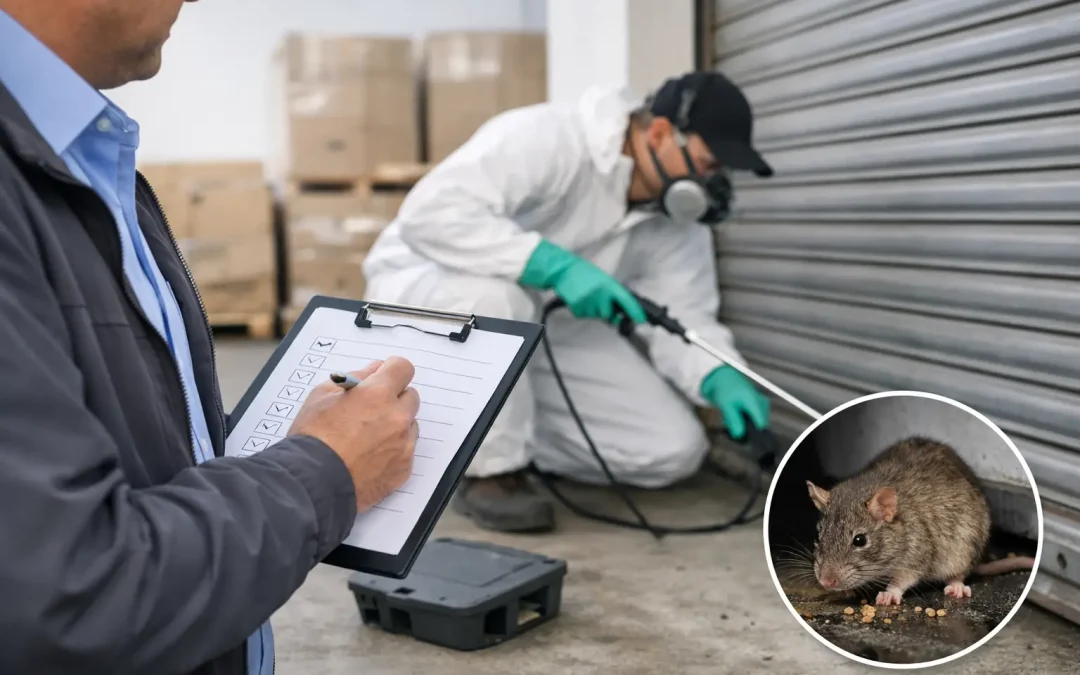
A single rodent sighting, damaged bait station or unidentified flying insect can create far more than a hygiene concern in a pharmaceutical warehouse. It can raise questions about stock protection, building integrity, investigation controls and whether the site is operating in line with Good Distribution Practice. This GDP pest compliance checklist helps site managers turn pest control from a reactive contractor visit into a documented, risk-based part of their quality system.
GDP does not prescribe one identical pest control programme for every facility. The right level of control depends on the products handled, the building layout, storage conditions, surrounding environment and the potential impact of contamination. What inspectors and quality teams expect is evidence that risks are understood, controls are appropriate, and any issue is investigated and closed properly.
What GDP-Compliant Pest Control Should Demonstrate
Pest management in a GDP environment must protect medicinal products from contamination, damage and deterioration. It also needs to support traceability. A site should be able to show what controls are in place, when they were checked, what was found and what action followed.
This is why occasional treatments alone are rarely enough. A compliant programme combines prevention, routine monitoring, documented inspections and corrective action. It should also be integrated with cleaning, maintenance, waste management, goods-in procedures and supplier controls.
For example, repeated fly activity near a loading bay may not require treatment inside the warehouse. The effective corrective action may be changing door-opening practices, repairing seals, improving external waste controls or relocating an insect monitoring unit. The record should explain the decision, not simply show that a visit took place.
GDP Pest Compliance Checklist
Use the following checks as the basis for a site-specific pest management plan. The checklist should be reviewed by the person responsible for quality, facilities or operations, rather than filed away as a contractor document.
- Maintain a current site risk assessment. Identify likely pest pressures, vulnerable areas and routes of entry. Consider loading bays, roller shutters, roof voids, plant rooms, canteens, drains, waste compounds, staff entrances and neighbouring land use. A distribution centre beside food premises, fields or waste facilities will need different controls from a sealed urban unit.
- Keep an accurate pest control site plan. Every monitor, trap, bait point and insect light trap should have a unique reference and a clear location. The plan must match the equipment physically installed on site. Removed, moved or added devices should be recorded without delay.
- Use appropriate monitoring devices. Monitoring should reflect the risk, not follow a generic number of stations. Non-toxic monitoring devices may be suitable internally where product protection is critical, while external control points can help detect rodent activity around the perimeter. Insect monitoring should be positioned away from open doors and direct sunlight, but close enough to intercept likely flight paths.
- Inspect proofing and building condition. Pest proofing is a fundamental GDP control. Check door brushes, roller shutter seals, wall penetrations, air vents, drain covers, pipe entries, damaged cladding and gaps around cables. Even an effective treatment programme will struggle if rodents and insects can enter freely.
- Control waste and external housekeeping. Waste should be contained, collected on schedule and kept away from loading doors where practical. Pallets, redundant equipment, overgrown vegetation and standing water can all provide harbourage or attract pests. External areas need to be part of the inspection routine, not an afterthought.
- Record every inspection clearly. Service reports should state the date, technician, devices checked, findings, evidence of activity, treatment used where applicable, recommendations and follow-up requirements. Vague notes such as ‘all clear’ are not useful when a quality audit asks how a risk was assessed.
- Trend pest activity. Review recurring findings by location, pest type and season. A single moth may be incidental; repeated moth catches in one zone may indicate a stock, cleaning or building issue that requires investigation. Trend data allows a site to act before an isolated finding becomes a deviation.
- Investigate significant activity and escalate when needed. Define what constitutes a reportable pest incident. This may include pest evidence near exposed materials, activity in a controlled storage area, product damage, contamination concerns or repeated failure of monitoring devices. The investigation should assess potential product impact and involve the appropriate quality personnel.
- Document corrective and preventive actions. Recommendations need an owner, target date and closure evidence. If a gap beneath a loading door is identified, record when it was repaired and verify that the repair has addressed the risk. Repeated recommendations left open can be viewed as a weakness in site control.
- Approve and review your pest control provider. The contractor should be competent to work in regulated environments, use trained technicians and provide reports suitable for audit. Their service scope, emergency response arrangements, chemical controls and reporting standards should be reviewed as part of supplier management.
Inspection Frequency: More Is Not Always Better
A common mistake is assuming that more visits automatically mean better compliance. Frequency should be justified by risk. A high-throughput pharmaceutical distribution site with multiple dock doors, frequent deliveries and a large external perimeter may need regular scheduled inspections and additional seasonal monitoring. A smaller, well-sealed facility with low goods movement may need fewer visits, supported by internal checks between services.
The key is not the number printed on a contract. It is whether the interval is sufficient to detect activity, maintain devices, review trends and prevent escalation. Changes to the operation should trigger a review. These can include an extension to the building, new storage areas, a change in waste contractor, nearby construction work or a rise in delivery volumes.
The Records an Auditor Will Expect to See
Pest control records should be controlled, legible and readily available. Electronic reporting can make trend analysis and document retrieval easier, but paper records can also be suitable if they are complete and managed properly.
At a minimum, retain the current risk assessment, site plan, service schedule, inspection reports, treatment records, product safety information where relevant, pest activity trends, open recommendations and CAPA closure evidence. Training records may also be needed for employees who carry out internal checks or are responsible for reporting sightings.
It is good practice to make responsibilities clear. Warehouse staff should know how to report a pest sighting immediately. Facilities teams should understand who owns proofing repairs. Quality teams should know when an incident requires formal deviation assessment. Without this clarity, valuable information can sit in a shift handover book while the underlying risk continues.
When a Pest Finding Becomes a Product Risk
Not every pest finding means stock has been affected. Equally, not every finding should be treated as routine. The response must be proportionate and evidence-based.
If activity is found near sealed secondary packaging, the initial assessment may focus on whether packaging integrity has been compromised and whether the pest could have accessed the product. If activity is found in an area holding exposed components, returned goods, damaged packs or quarantined materials, the risk may be higher. Isolate potentially affected stock where appropriate, preserve evidence, inspect the area and involve Quality Assurance promptly.
Avoid making assumptions based only on the type of pest. Rodents can cause contamination through droppings, urine and gnawing. Stored product insects can indicate an issue within packaging or stock rotation. Flies may point to external access, drainage or waste management failures. The investigation should establish the likely route, duration, extent and potential product impact.
Make Pest Control Part of Daily Site Standards
The strongest pest programmes are supported by people who work on site every day. A technician may inspect monthly or fortnightly, but warehouse teams see damaged door seals, poor housekeeping and early signs of activity first.
Include pest awareness in induction and refresher training. Staff should report droppings, gnaw marks, insects, unusual odours, damaged packaging and bird activity around access points. They should also understand that moving a monitoring device, blocking it with stock or propping open a fire door can undermine the programme.
For regulated operations in Dublin, Kildare, Meath and Wicklow, Pest Pure Solutions can support this process with tailored pest management programmes, detailed service reporting and bio-reports designed to help maintain GDP standards. The value lies in identifying practical risks early and giving site teams clear actions they can close.
The most useful question for any site manager is not, ‘When was the last pest control visit?’ It is, ‘Can we show that we identified the risk, controlled it and acted decisively when conditions changed?’
Recent Comments