
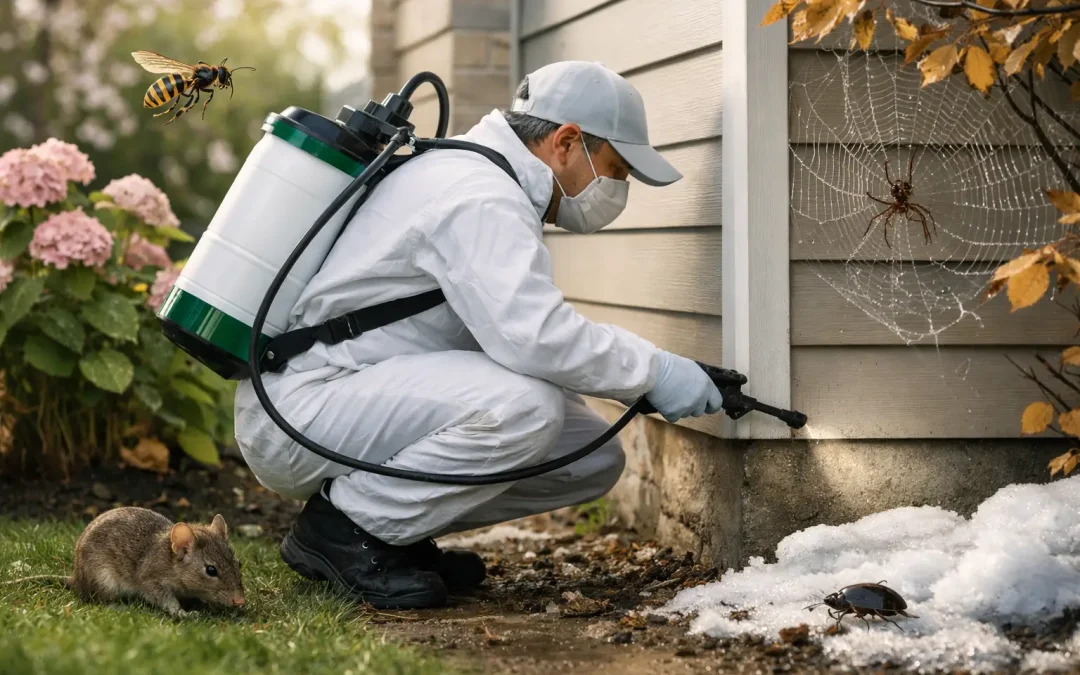
A wasp nest in July, mice in a loft when the temperature drops, or flies appearing in a food handling area just before an audit – timing changes everything. If you are asking when should pest control be done, the short answer is this: ideally before activity peaks, but immediately when there are signs of infestation, contamination risk or property damage.
For homeowners, that means not waiting until a small issue becomes established in walls, roof spaces or kitchens. For commercial sites, especially in hygiene-sensitive or regulated environments, it means building pest control into routine prevention rather than treating it as an emergency-only service. The best time depends on the pest, the property, and the level of risk attached to delay.
When should pest control be done for the best results?
The most effective pest control is usually carried out at one of two points – just before seasonal pest activity increases, or as soon as the first credible signs appear. Waiting until pest numbers are high often makes treatment more disruptive, more expensive and more likely to need repeated visits.
Preventive treatment matters because many pests are easier to manage early. Ants may begin with a visible trail in a kitchen, but the colony is elsewhere. Rodents may only leave a few droppings at first, while nesting is already underway in insulation or voids. Bed bugs can spread from one room to several before bites are recognised for what they are.
In practical terms, spring and early summer are often the right time to review ant, wasp and flying insect risks. Autumn is a key period for rodents, as mice and rats start seeking warmth, shelter and reliable food sources indoors. That said, indoor environments can support pest activity throughout the year, particularly in food premises, care settings, warehouses and multi-occupancy housing.
Seasonal timing matters, but pests do not always follow the calendar
Seasonal guidance is useful, but it should never create a false sense of security. Weather patterns, building condition, footfall, nearby waste handling and hygiene standards all affect when pests appear.
Spring and summer
Warmer months usually bring increased activity from ants, wasps, flies, moths and some stored product pests. Queens become active, breeding accelerates and open windows or doors make access easier. In domestic settings, this is often when homeowners first notice trails of ants, buzzing in loft spaces or activity around bins and patios.
For businesses, especially catering, hospitality, retail and waste-related operations, warmer weather can quickly increase the risk of flying insects. If there is already a weakness in cleaning routines, proofing or waste control, pest pressure rises fast. A treatment plan put in place before peak summer activity is usually far more effective than reacting after complaints or contamination concerns begin.
Autumn and winter
As temperatures fall, rodents become a more common issue. Mice can enter through very small gaps, and rats are quick to exploit drainage faults, damaged proofing and accessible food storage. This is the point when many people hear scratching in ceilings, find gnaw marks, or spot movement near kitchens, stock rooms or bin areas.
Winter does not mean pest-free conditions. In fact, heated buildings can support steady infestations of cockroaches, bed bugs, stored product insects and rodents regardless of outdoor weather. Commercial buildings with long operating hours, deliveries and plant rooms remain vulnerable all year.
Signs that mean pest control should be done immediately
Some situations call for preventive planning. Others need urgent action. If pests are already active, timing should be measured in hours or days, not weeks.
Rodent droppings, grease marks along skirting, scratching sounds, gnawed packaging, foul odours, insect casings, repeated bites, nests, wasp entry points, or bird fouling around access areas all justify prompt assessment. In commercial premises, the threshold for action is even lower. One sighting in a sensitive setting can be enough to trigger risk to stock, hygiene, audits or reputation.
There is also a safety element. Wasps around family gardens, school access points or staff entrances can create a sting risk. Rodents carry contamination concerns. Birds can create slip hazards and damage structures. Bed bugs and fleas spread quickly through homes, accommodation and shared environments if left untreated.
If there are children, pets, vulnerable residents, patients, or food production involved, delay becomes harder to justify. Early intervention is not just about convenience. It reduces exposure, avoids escalation and supports safer treatment planning.
When should pest control be done in homes?
In domestic properties, pest control should be done as soon as there is evidence that pests are living, feeding or breeding indoors or close to the building. It should also be considered before predictable seasonal issues begin, particularly if the property has a history of infestation.
Older homes, properties near fields or water, and houses with loft voids, extensions, sheds or poorly sealed pipe entries tend to be more exposed. So do rental properties between tenancies, where hidden pest issues can go unnoticed until a new occupant moves in.
Timing also depends on the pest. A visible wasp nest should not be left to grow through summer. A single mouse sighting often means more activity nearby. Ants may look minor at first, but shop-bought treatments often deal with the symptom rather than the source. With bed bugs, speed matters because the infestation spreads room by room through furniture, fabrics and belongings.
Homeowners often wait because they hope the issue will pass. In reality, pest problems usually become more embedded over time. The earlier the visit, the simpler the treatment plan tends to be.
When should pest control be done for businesses?
For commercial clients, pest control should be done on a scheduled, preventive basis, with additional call-outs whenever there is evidence of activity or a change in site risk. This is especially true for sectors where audits, hygiene standards and documentation are part of normal operations.
Food businesses, care homes, pharmaceutical facilities, logistics sites, waste operations and landlords managing multi-unit buildings need more than reactive treatment. They need monitoring, proofing advice, reporting and trend analysis. A pest incident in these settings is not just unpleasant. It can affect compliance, customer confidence, inspections and continuity.
Routine service visits make it easier to identify low-level activity before it becomes a wider issue. They also create a record of control measures, recommendations and site conditions. For some organisations, that record is just as important as the physical treatment.
A business should also review pest control whenever there is building work, a change in waste storage, increased stock holding, drainage issues, seasonal staffing changes or repeated door opening in warm weather. These are the moments when pest pressure often shifts.
Why early treatment is usually cheaper and more effective
There is a common assumption that it makes sense to wait and see. The problem is that pests rarely stay still. Colonies expand, access routes become established, and hidden harbourage points become harder to eliminate.
Early treatment often reduces the number of visits required and lowers the chance of secondary damage. That damage might mean chewed wiring and insulation from rodents, contamination of stored goods, ruined soft furnishings from bed bugs, or structural issues linked to birds nesting in the wrong places. In commercial settings, the indirect costs can include lost stock, complaints, failed inspections and staff disruption.
Timing also affects treatment choice. If an issue is caught early, there is often more flexibility in how it is managed. Once it becomes widespread, more intensive measures may be needed, along with stricter follow-up and proofing work.
The right answer often depends on your property and risk level
The honest answer to when should pest control be done is that it depends on what is at stake. A detached home with an occasional ant problem is different from a care facility, a catering unit or a warehouse handling sensitive goods. A one-off call-out may be appropriate in some situations. In others, an ongoing service plan is the safer and more cost-effective route.
What matters most is not choosing a month from a calendar. It is recognising the risk profile of the site, the pest involved, and whether there are early warning signs that should not be ignored. For many properties in Dublin, Kildare, Meath and Wicklow, seasonal patterns do play a role, but local environment, building condition and operational pressures matter just as much.
A professional inspection brings clarity to that decision. It helps identify whether the issue is active, recurring, seasonal or structural, and whether the best next step is treatment, monitoring, proofing or a combination of all three.
If there is one useful rule to keep in mind, it is this: pest control works best when it is timely, not delayed. Acting early protects hygiene, reduces disruption and gives you more control over the outcome.
Recent Comments