
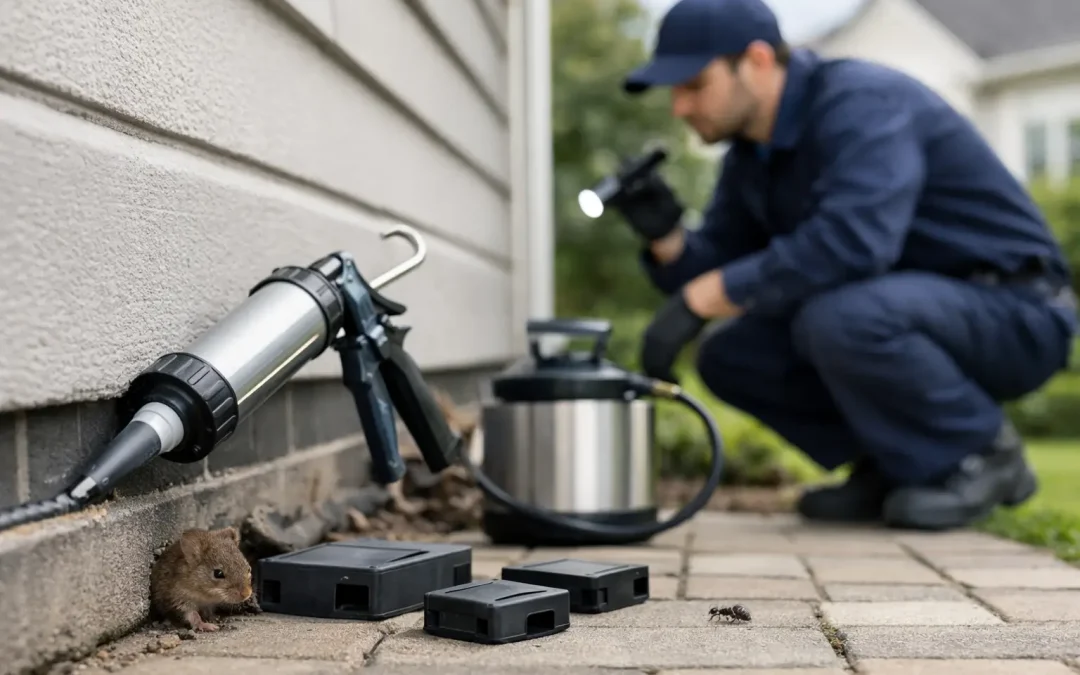
A mouse can enter through a gap little wider than a pencil. Rats can exploit damaged air bricks, gaps around service pipes and poorly sealed doors. For property owners, pest proofing services Kildare are often the practical step that stops a recurring problem rather than simply dealing with what has already found its way inside.
Pest proofing is not a cosmetic repair service. It is a targeted assessment of how pests are accessing a building, what is encouraging them to remain, and which improvements will provide lasting protection without affecting the safe operation of the property. For homes, this can mean a quieter, cleaner and more secure living environment. For businesses, it protects hygiene standards, stock, staff confidence and day-to-day continuity.
What pest proofing is designed to prevent
Pest proofing focuses on excluding pests before they establish themselves indoors. Rodents are the most common reason for proofing work, but gaps, voids and poorly maintained external areas can also support insects, birds and other unwanted activity.
A professional inspection considers more than the obvious hole in a wall. Pests follow warmth, food, water and shelter. A small defect near a kitchen waste area, a loose drain cover, an open roof void or an unprotected cable entry can create a route into the building. Once inside, rodents may nest in insulation, behind kitchen units, within suspended ceilings or beneath floors, often unnoticed until there is damage or visible evidence.
Effective proofing therefore combines physical exclusion with practical hygiene advice. Closing an entry point is valuable, but it may not be enough if accessible waste, standing water or food debris continues to attract pests to the same area.
Pest proofing services in Kildare begin with inspection
The right repair depends on the pest, the construction of the building and the location of the issue. A rushed approach can seal a visible gap while missing the route actually being used. It can also create issues with ventilation, drainage or access for essential services.
A detailed inspection should look at the exterior first, including doors, vents, air bricks, pipe penetrations, roof lines, utility areas, bin stores, drainage points and perimeter fencing. Inside, attention may be given to kitchens, plant rooms, ceiling voids, storage areas, service risers and signs of activity such as droppings, gnaw marks, rub marks or nesting material.
For commercial premises, the assessment should also consider how deliveries, waste handling, staff entrances and storage practices affect risk. A loading bay that remains open during busy periods needs a different solution from a domestic garage door or a detached garden shed. This is why a tailored plan is more reliable than a standard seal-and-leave approach.
Common proofing measures
Professional proofing can include fitting or repairing door brush strips, sealing gaps around pipes and cables, securing damaged air bricks with suitable mesh, repairing holes in external walls and protecting vents where appropriate. Damaged drain covers, broken gullies and gaps beneath cladding may also need attention.
The material matters. Some quick-fix products can be chewed through by rodents, degrade outdoors or trap moisture where it should not be trapped. Suitable proofing materials are selected for the location and purpose, helping to maintain the building’s integrity while reducing pest access.
Proofing may also involve bird deterrent measures where roosting or nesting activity is affecting ledges, canopies, signage or service areas. Bird proofing should always take account of the species involved, the structure and legal protections around nesting birds.
Why treatment and proofing often work best together
If pests are currently active inside a property, sealing every suspected route immediately is not always the best first move. Rodents or insects may already be within wall voids, floors or roof spaces. The work should be planned alongside appropriate treatment so activity can be controlled safely and the risk of pests becoming trapped in inaccessible areas is reduced.
For example, a rat issue connected to drainage defects may require an investigation of the drainage route as well as targeted control and external repairs. A mouse problem in a kitchen may involve proofing pipe entries, improving door seals and addressing food storage. An ant issue may require treatment of the active trail before cracks or external access points are addressed.
This joined-up approach matters because pest proofing is prevention, not a substitute for the correct treatment where an infestation is established. Equally, treatment without proofing can leave the same opportunity open for a new infestation later.
Protecting homes, landlords and managed properties
For homeowners, proofing is particularly worthwhile after a rodent problem, during renovation work or when a property has recurring seasonal activity. Older homes can have hidden gaps created by ageing brickwork, extensions, utility work or changes to drainage. Newer properties are not immune either, especially where service penetrations have not been finished correctly.
Landlords and property managers benefit from resolving structural access points promptly. Repeated pest complaints can cause avoidable disruption for tenants and often point to an issue that will not disappear with one treatment visit. A clear inspection record and practical recommendations help owners prioritise repairs and demonstrate a responsible approach to property maintenance.
Simple housekeeping still has a role. Food should be kept in sealed containers, refuse bins should close properly, bird food should not be left close to the building, and clutter should be reduced around sheds and external walls. These measures do not replace professional proofing, but they make the property less appealing while exclusion work does its job.
Commercial pest proofing protects hygiene and continuity
For a catering business, care home, warehouse, pharmaceutical site or logistics operation, a pest entry point is more than a maintenance defect. It can become a hygiene concern, a disruption to operations and a reputational risk. Premises with high volumes of goods, deliveries and waste require particular attention because access conditions change throughout the working day.
A commercial proofing plan should reflect the site rather than rely on generic recommendations. External proofing may need to focus on bin compounds, dock levellers, roller shutters, service ducts and landscaping. Internal work may involve kitchen perimeters, staff facilities, production areas, false ceilings, storage racking and utility rooms.
The priority is to reduce exposure without disrupting the site unnecessarily. In regulated environments, documented findings and clearly recorded corrective actions can support wider hygiene and compliance responsibilities. Pest Pure Solutions can provide bespoke pest management and proofing support for businesses that need practical control measures alongside professional reporting.
When repairs need wider coordination
Some defects cannot be resolved by pest control work alone. Damaged roofing, defective drains, significant building gaps or deteriorating doors may require a builder, drainage contractor or facilities team. A professional pest proofing inspection helps identify the issue, explain the risk and recommend the most appropriate next action.
This is not a weakness in the process. It is the difference between placing a temporary barrier over a building defect and resolving the underlying cause properly. Where several parties are involved, clear recommendations help keep responsibility and priorities straightforward.
Signs your property may need proofing
Repeated pest activity after treatment is a strong indication that access remains available. Other warning signs include daylight visible beneath external doors, loose vent covers, gaps around pipes, damaged brickwork, droppings near utility points, gnawing around kitchen units, or birds gathering repeatedly around roof lines and ledges.
You do not need to wait for an infestation to take action. Proofing is particularly sensible before colder weather, after building works, when taking on a new commercial unit, or when preparing a vacant rental property for occupation. Early work is usually less disruptive than responding once pests have settled into hidden parts of the building.
A well-proofed property will never remove every possible pest risk. Doors open, deliveries arrive, drains connect buildings to their surroundings and weather can expose new defects. What it does is remove the easy routes and conditions that turn a passing pest into a persistent problem.
If you are seeing recurring signs of rodents, insects or birds around your home or premises, a professional inspection can turn uncertainty into a clear plan. Addressing small access points now can protect the hygiene, condition and comfort of the property long before a minor gap becomes a larger issue.
Recent Comments