
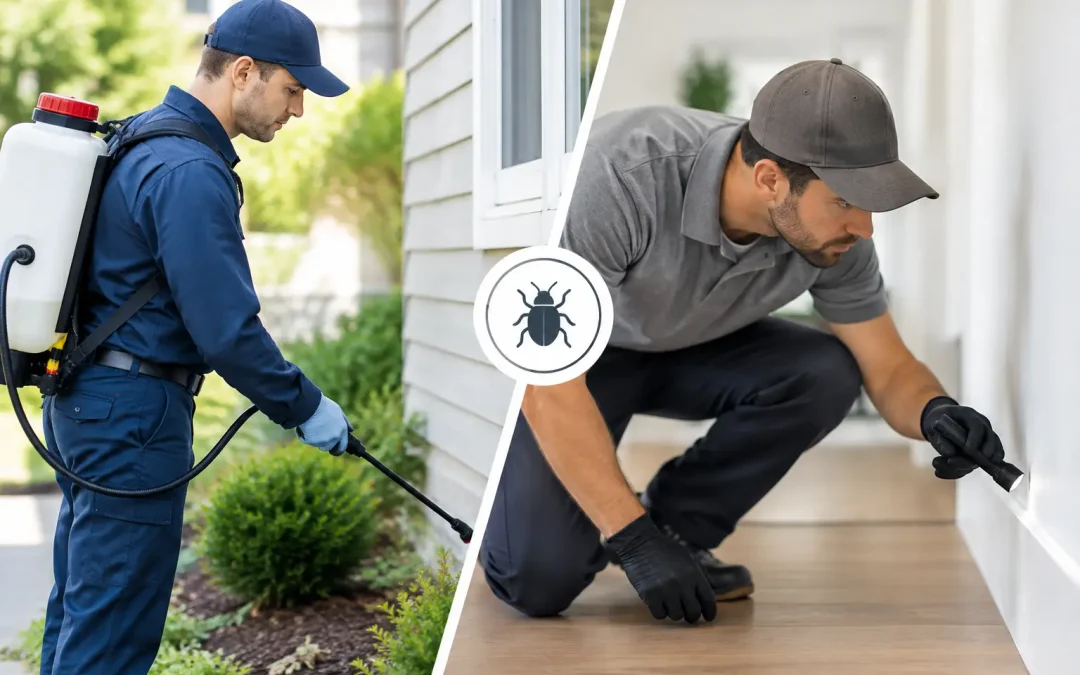
A mouse seen running along a kitchen skirting board at night, fresh rat droppings in a bin store, or silverfish appearing repeatedly in a bathroom all raise the same practical question: contract versus callout pest control? The right choice depends on whether you need an immediate response to a current infestation or an ongoing programme that reduces risk before it becomes a costly problem.
For homeowners, a callout is often the appropriate first step. For businesses, particularly those responsible for hygiene, food handling, residents, stock or regulated premises, a planned pest control contract can be a critical part of day-to-day risk management. Neither option is automatically better. The key is matching the service to the property, the pest pressure and the consequences of recurrence.
What is a pest control callout?
A callout is a targeted response to a known or suspected pest issue. You contact a professional because there is evidence that needs attention now: rodent activity in a loft, scratching sounds in a wall void, damaged food packaging, droppings, a dead rodent smell, or silverfish that are becoming more noticeable around damp areas.
The visit should begin with an inspection, not an assumption. Rodents are particularly good at using hidden routes through cavities, service gaps, drains, rooflines and external defects. Treating the visible signs without identifying the likely access points can leave a property vulnerable to repeat activity.
A professional callout typically focuses on confirming the pest, assessing the extent of the issue, selecting an appropriate treatment and advising on proofing and hygiene measures. Follow-up visits may be needed, especially where rats or mice have established activity in inaccessible areas. A single visit can be enough for a minor issue, but it is not sensible to promise that every infestation will be resolved in one attendance.
During winter, callouts for rats and mice often increase across Dublin, Kildare, Wicklow and Meath. Falling temperatures and reduced outdoor food sources encourage rodents to seek warmth, shelter and reliable food indoors. Homes, warehouses, care settings, kitchens, offices and communal bin areas can all become attractive if access is available.
When a callout makes most sense
A callout is usually the most practical choice when the problem is isolated, unexpected and unlikely to require long-term monitoring. A homeowner who has found signs of mice for the first time may need a prompt inspection and treatment rather than a recurring service arrangement.
It can also suit landlords preparing a property between tenancies, businesses dealing with a one-off incident, or anyone who wants a professional assessment before deciding whether ongoing cover is necessary. The value is in rapid action and clear advice, rather than committing to a service level the property may not need.
However, a callout has limits. It addresses the conditions found at that point in time. If a building has persistent entry points, poor waste control, nearby rodent harbourage or a history of infestations, the issue can return. In those circumstances, repeated reactive callouts may become more disruptive and less efficient than a preventative contract.
What does a pest control contract provide?
A pest control contract is an agreed programme of scheduled inspections, treatments where required, prevention work and documented reporting. It is designed for premises where pest risk must be actively managed rather than dealt with only after an incident is reported.
The frequency and content of a contract should be tailored to the site. A small office has different risks from a catering business, logistics facility, care home, pharmaceutical operation or waste recycling plant. The building layout, stock, food sources, surrounding environment, waste arrangements and compliance obligations all affect what a sensible programme looks like.
At each planned visit, a technician can inspect agreed areas for signs of activity, review previous findings, address developing risks and record actions taken. This consistency matters because early signs are often subtle. A small amount of rodent evidence in a loading bay, plant room or ceiling void can be dealt with before it develops into a more serious infestation.
For commercial customers, reporting is often as important as treatment. Clear service records help demonstrate that pest risks are being managed responsibly. In higher-governance environments, detailed bio-reports and a professional assessment of trends, vulnerabilities and corrective actions can support hygiene standards, audits and business continuity.
Contract versus callout: the practical differences
The most useful distinction is simple: a callout responds to an existing problem, while a contract is built to prevent, detect and control recurring risk.
| Area | Callout service | Pest control contract | |—|—|—| | Main purpose | Resolve a current pest concern | Manage ongoing pest risk | | Timing | Booked when evidence or concern appears | Scheduled visits at agreed intervals | | Best suited to | Isolated domestic or occasional commercial issues | Businesses, multi-unit sites and recurring-risk properties | | Reporting | Visit findings and treatment advice | Ongoing records, trend reviews and compliance support | | Prevention | Advice following the inspection | Regular inspection, prevention and corrective actions |
For a domestic customer, the decision often comes down to history. If there are no previous pest problems and the inspection identifies a straightforward cause, a callout may be all that is required. If mice return each winter, if neighbouring properties are affected, or if the building has difficult-to-resolve access routes, an ongoing arrangement may offer better protection.
For a commercial operator, the decision should be based on impact as well as frequency. One rat sighting near a food preparation area, care environment or pharmaceutical facility can trigger immediate operational concern. Even when activity is limited, the reputational and hygiene consequences may justify routine professional oversight.
Why prevention matters for rodents
Rats and mice are not merely an inconvenience. They can contaminate food and surfaces, damage insulation and wiring, spoil stock and undermine confidence in a property’s hygiene standards. Their ability to travel through small gaps also means the source of activity is not always where the evidence is found.
Effective rodent control combines treatment with practical prevention. That may involve identifying gaps around pipes and doors, reviewing external vegetation, improving bin area management, keeping food stored securely and addressing water sources. In commercial settings, it can also mean reviewing deliveries, loading areas, staff facilities and the condition of external grounds.
A callout can identify these issues, but a contract creates accountability for reviewing them over time. Seasonal changes, building works, waste arrangements and occupancy patterns can all alter pest pressure. Regular inspections give problems less time to develop unnoticed.
Silverfish: a year-round decision
Silverfish are active throughout the year and are commonly associated with humid, undisturbed areas such as bathrooms, kitchens, utility spaces, cupboards and voids. They do not create the same immediate concern as rodents, but recurring activity can be frustrating and may point to excess moisture, gaps or conditions that allow them to thrive.
For a single domestic report, a professional callout and moisture-focused advice may be sufficient. Where silverfish recur across flats, managed properties, hotels or commercial washroom areas, planned inspections can be more appropriate. The treatment plan should address both the insects and the environmental conditions supporting them.
Choosing the right level of cover
Before choosing between a contract and callout, consider the property’s pest history, the sensitivity of the premises and the cost of disruption. A home with a first-time mouse issue needs a different response from a care home, catering kitchen or logistics operation where a pest incident can affect residents, customers, audits and staff confidence.
Ask what happens after the initial treatment. Will access points be identified? Is follow-up required? What records will be provided? Does the service account for the hygiene and compliance requirements of the site? Clear answers are a sign that the service is being designed around the actual risk rather than sold as a generic package.
Pest Pure Solutions provides both responsive callouts and tailored pest management contracts, allowing households and businesses to choose support that matches their circumstances. For urgent signs of rats or mice, prompt professional assessment is usually the best place to start. For properties where prevention, documented control and reassurance matter every month, a planned programme provides the stronger long-term footing.
The most helpful decision is not to wait for a small sign to become a larger disruption. Whether you need a one-off visit or continuing protection, act when the evidence first appears and choose a service that deals with the cause as well as the immediate pest activity.
Recent Comments