
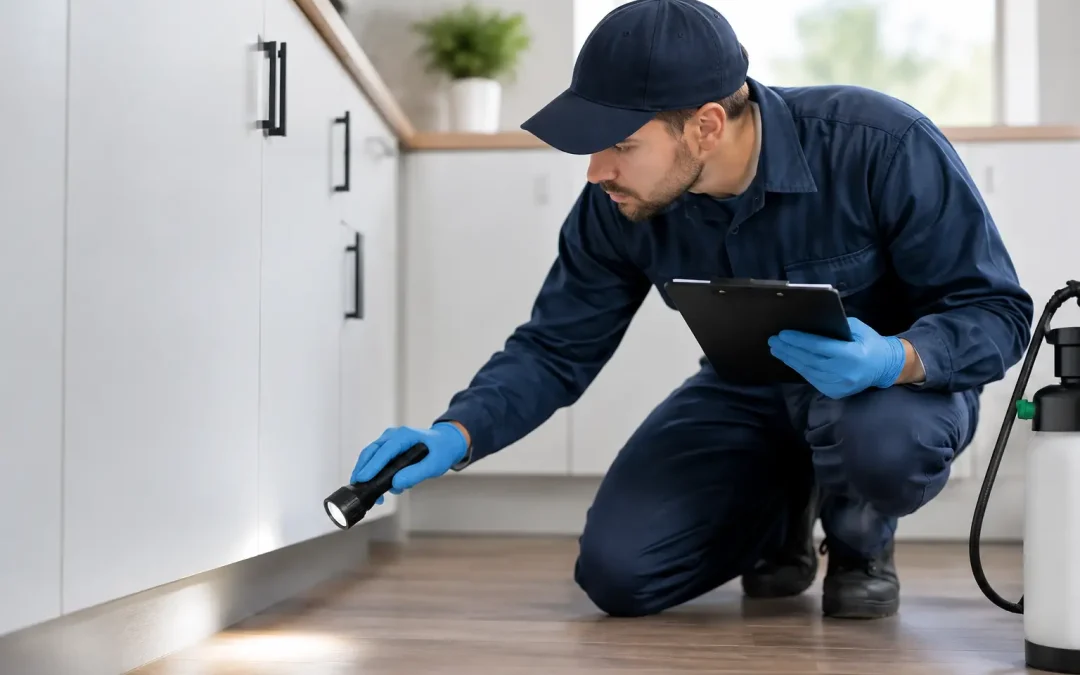
A rat sighting beside a loading bay or mouse droppings in a staff kitchenette can quickly become more than a pest problem. For a catering business, care home, warehouse or pharmaceutical facility, pest compliance is the evidence that risks have been assessed, action has been taken and the site remains under control. It protects hygiene standards, audit readiness, customer confidence and day-to-day operations.
The right approach is not simply to place bait or respond after an infestation has taken hold. Effective compliance-led pest management combines regular professional inspections, clear records, practical proofing and treatment that responds to the conditions on each site.
What pest compliance means for your premises
Pest compliance is the ability to show that your business manages pest risk responsibly and consistently. The exact requirements depend on your sector, customer standards and any quality scheme or regulatory framework that applies to your operation. A food business may face very different audit questions from a logistics depot, while a pharmaceutical site may require a particularly detailed, traceable record of controls.
However, the core principle is the same: a business should be able to demonstrate that it understands its risks, checks for signs of pest activity, acts promptly where concerns arise and reviews whether its controls are working.
A professional pest management programme creates a reliable record of that work. It should identify the areas inspected, findings made, treatments used where necessary, recommendations issued and follow-up actions required. Good documentation turns pest control from a reactive expense into a managed part of site hygiene and risk control.
Why winter rodent control needs close attention
During winter, rats and mice look for warmth, shelter and dependable food sources. Commercial kitchens, waste areas, plant rooms, warehouses, care settings and properties with voids or ageing fabric can all offer attractive entry points. Small gaps around service pipes, damaged door seals and open drainage routes are often enough for rodents to gain access.
Mice are particularly problematic because they can enter through very small openings and may remain unnoticed in ceiling voids, behind units or around stored stock. Rats bring a more visible risk through contamination, gnawing damage and activity around bin stores, loading areas and external boundaries.
For businesses across Dublin, Kildare, Wicklow and Meath, winter inspections should pay close attention to external proofing as well as internal evidence. Droppings, rub marks, gnawed packaging, disturbed insulation, unusual odours and damaged food storage all need timely investigation. Waiting for repeated sightings can allow a small issue to develop into an operational incident.
Rodent treatment should always sit alongside exclusion and hygiene measures. Removing an active infestation without closing access points or addressing food and waste controls is unlikely to provide lasting protection. Equally, proofing work must be proportionate to the building and its use. A busy distribution site, for example, needs practical measures that do not obstruct deliveries or compromise safe access.
The records an auditor expects to see
There is no single folder that guarantees compliance. What matters is whether records are accurate, current and matched to the risks on site. When an auditor, customer or internal quality team reviews your pest control arrangements, they will usually want a clear picture of both prevention and response.
A well-managed programme commonly includes a site plan showing monitored and treated locations, routine service reports, documented observations, treatment records and recommendations for corrective action. It should also record any pest activity, the investigation completed and the outcome of follow-up visits.
Where actions are assigned to site staff, such as repairing a door brush, clearing overgrown vegetation or improving waste handling, those actions should be tracked through to completion. An unresolved recommendation can be as revealing as a pest sighting during an audit. It shows that the risk was known but not properly controlled.
For higher-governance environments, reporting may need more detail. GDP-focused bio-reports, trend observations and clear evidence of inspection standards can support quality teams in reviewing risks and maintaining confidence in their controls. The level of detail should reflect the site, not be a generic paperwork exercise.
Clear findings matter more than vague reports
A useful report explains what was found, where it was found and why it matters. “No activity observed” is helpful when it follows a meaningful inspection. If activity is present, the report should distinguish between fresh evidence, historic signs and conditions that could encourage future infestation.
It should also make recommendations that staff can act on. “Improve hygiene” is too broad to be useful. “Remove food debris beneath the staff vending area and clean behind the unit weekly” gives the site team a practical control to implement and verify.
Prevention is a shared responsibility
A pest technician can inspect, treat and advise, but lasting pest compliance depends on cooperation across the site. Facilities, cleaning, engineering, warehouse and catering teams all influence pest risk through their normal work.
Waste management is a frequent weak point. Overflowing bins, loose refuse, unwashed containers and poorly maintained bin areas provide food and harbourage for rodents. Internal storage can create similar issues when stock is stored directly on the floor, damaged packaging is left in place or spillages are not dealt with promptly.
Building condition matters just as much. Gaps beneath doors, cracked brickwork, poorly sealed pipe penetrations and damaged air vents can undermine an otherwise well-run programme. A professional inspection should identify these issues, but the business needs a process for prioritising and completing repairs.
Staff awareness also has a role. Employees do not need to become pest experts, but they should know how to report a sighting or signs of activity quickly. A report from a cleaner, kitchen porter or warehouse operative can provide the early warning that prevents contamination, stock loss or disruption.
Silverfish require a different compliance response
Silverfish are active throughout the year and are often linked with damp, humid or undisturbed areas. They may be found in washrooms, storerooms, service ducts, basements and areas where paper, cardboard or stored materials are present. Although they do not carry the same food contamination concerns as rodents, repeated silverfish activity can indicate an environmental issue that should not be ignored.
In commercial settings, a recurring silverfish problem may point to moisture ingress, plumbing leaks, poor ventilation or overlooked housekeeping areas. Treatment can reduce the active population, but inspection and corrective work remain essential. Recording the location, frequency and likely contributing conditions helps determine whether a one-off treatment is appropriate or whether ongoing monitoring and site improvements are needed.
Choosing a programme that fits the risk
The cheapest contract is not always the most economical choice. A low-frequency visit plan may appear sufficient until seasonal rodent pressure rises, site conditions change or an audit reveals gaps in the records. On the other hand, a highly intensive programme may be unnecessary for a low-risk office with strong building maintenance and limited food handling.
A suitable programme is based on risk. It considers the type of business, building layout, nearby land use, waste arrangements, historic activity, seasonal pressures and the consequences of a pest incident. A care home needs discreet work that safeguards residents and supports hygiene standards. A catering facility needs close attention to food areas, waste controls and documented corrective actions. A warehouse may require a strong focus on loading doors, stock storage and external proofing.
This is why tailored service plans are more valuable than a standard visit schedule. They give businesses enough oversight to identify change early, while keeping recommendations relevant to the people who must carry them out.
When a pest issue becomes an urgent compliance matter
Some situations require an immediate response: live rodents indoors, evidence of contamination near food or medicines, significant droppings, chewed electrical cables, activity in a care environment or a pest finding immediately before an audit. The first priority is to contain the risk, assess the affected area and put appropriate treatment and cleaning measures in place.
The next priority is documentation. Record the issue, the areas affected, decisions made, treatment undertaken and any product, stock or cleaning actions required under your own site procedures. A clear response demonstrates control. Trying to minimise or hide a problem usually creates greater risk if it is later identified by a customer, inspector or auditor.
Pest Pure Solutions provides professional inspections, treatment and compliance-focused reporting for commercial premises, as well as discreet support for homes and landlords facing urgent rodent or silverfish problems. The most effective time to address pest risk is when the first signs appear, before a minor access issue becomes a hygiene, operational or audit concern.
Recent Comments