
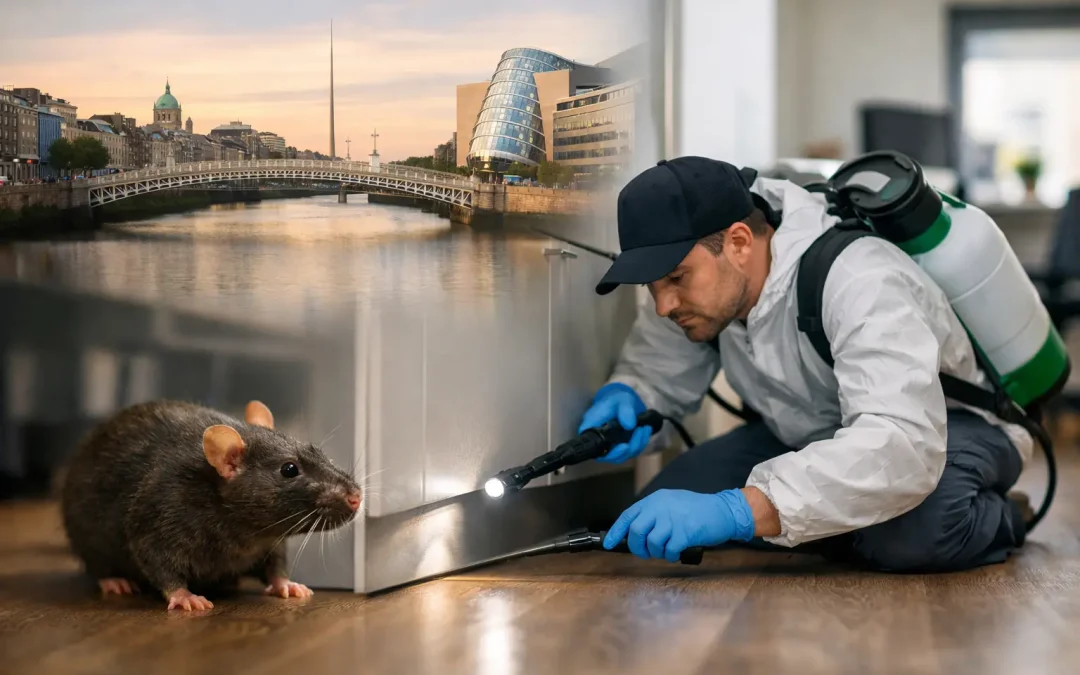
A scratching sound behind a kitchen unit, droppings in a stockroom or a chewed cable in a ceiling void can quickly become more than a nuisance. Finding the best Dublin rodent services means choosing a provider that identifies the source of the activity, removes the immediate risk and prevents rodents from returning. For homes, this protects food areas, pets and family wellbeing. For businesses, it also protects hygiene standards, stock, audit readiness and reputation.
Rodent control is not simply a matter of putting down bait. Mice and rats are resourceful, reproduce quickly and often enter a property through gaps that are easy to overlook. A professional service should therefore combine inspection, treatment, proofing and clear advice, with ongoing monitoring where the risk justifies it.
What the best Dublin rodent services should include
The right approach begins with a detailed survey. A technician should look for signs of activity, establish whether rats, mice or both are present, and assess how they are getting into the building. Fresh droppings, rub marks along walls, damaged packaging, nesting materials and gnawing are all useful indicators, but the location of these signs matters just as much as their presence.
In a domestic property, the source may be a gap around pipework, an unsealed air brick, a damaged drain or an opening below a door. In commercial premises, the issue can involve delivery doors, waste storage, loading bays, suspended ceilings, service risers or poorly managed external areas. Treating the visible activity without addressing these routes can lead to a repeat infestation.
Professional control should be proportionate to the property and the level of risk. This may involve carefully positioned traps, secured bait stations, non-toxic monitoring devices and targeted treatments. The aim is effective removal while protecting children, pets, staff, customers and non-target wildlife. A reliable provider will explain the method being used and any precautions required during the treatment period.
Proofing is the part of rodent control that is too often missed. Closing gaps, fitting door brushes, repairing damaged vents and improving protection around utility entries can make a significant difference. Some repairs may need to be completed by a builder, plumber or maintenance team, but a competent pest professional should clearly identify what needs attention and why.
Why fast action matters with rats and mice
A single mouse sighting does not always mean there is a large infestation, but it should never be ignored. Mice can access a building through very small gaps and may remain hidden in wall cavities, lofts and cupboards. They contaminate food and surfaces through droppings and urine, while their gnawing can damage insulation, furniture, packaging and electrical wiring.
Rats are usually more visible in outdoor areas, drains, bin stores and under decking, although they can enter buildings when food, shelter and access are available. Their presence can indicate a wider environmental issue, such as overflowing waste, damaged drainage or overgrown areas close to the property.
Waiting for the problem to worsen is rarely the lower-cost option. Rodent numbers can increase rapidly, and a small issue may become harder to resolve once animals have established nesting points or regular feeding routes. Prompt inspection gives a clearer picture and allows control measures to begin before contamination or damage becomes more serious.
Choosing a rodent control provider for your property
The best choice is not necessarily the cheapest one-off call-out. Price matters, particularly for a household facing an unexpected problem, but the scope of the service matters more. Ask what is included in the visit, whether follow-up inspections are necessary, how entry points will be identified and what happens if activity continues.
For homeowners and landlords, clear communication is essential. You should know where treatments have been placed, how to keep pets and children safe, what signs to monitor and when to expect a return visit. Discretion may also be important in flats, rented homes or shared properties, where a rodent issue can cause understandable concern between occupants.
For a business, look beyond immediate eradication. A professional provider should be able to assess the risks associated with your premises, document findings and recommend a practical programme that fits your operation. A restaurant, care home, warehouse and pharmaceutical site all have different vulnerabilities and hygiene responsibilities. The treatment plan should reflect those differences rather than relying on a standard package.
Questions worth asking before booking
Before appointing a service, ask whether the provider carries out a full inspection, offers proofing recommendations and provides follow-up visits where needed. It is also sensible to check how treatments are managed in sensitive environments, whether technicians can work around your operating hours and what records will be supplied.
Commercial customers should ask about reporting in particular. Site plans, service records, trend analysis, corrective actions and photographic evidence can all support internal hygiene management and external audits. In regulated sectors, these records are not administrative extras. They demonstrate that risks have been assessed, actions have been taken and controls are being reviewed.
Rodent control for commercial and regulated sites
In commercial settings, rodents can interrupt operations long before an infestation becomes obvious. A damaged product carton, droppings near a food preparation area or activity in a loading bay may trigger product checks, cleaning requirements, customer complaints or audit concerns. Where vulnerable people, medicines or food are involved, the consequences can be particularly serious.
This is why preventative contracts are often the right option for premises with ongoing exposure. Scheduled inspections allow potential issues to be found early, while monitoring points provide evidence of activity trends. Waste management, landscaping, delivery procedures and building defects can then be addressed before rodents establish themselves.
The level of monitoring depends on the site. A small office with limited food handling may require a different schedule from a catering facility, logistics depot, recycling plant or care home. The most effective programmes are bespoke, taking account of building layout, surrounding land, stock movements, waste streams and the site’s compliance requirements.
Pest Pure Solutions supports domestic and commercial clients with rodent treatments, pest proofing and tailored ongoing programmes. For high-governance environments, a Certified Field Biologist and detailed bio-reports can provide the technical oversight and documentation needed to support hygiene and GDP compliance.
What you can do before a technician arrives
Do not disturb nesting material or handle rodents directly. Avoid moving bait or traps if an existing treatment is already in place, and keep children and pets away from any affected area. If you have seen droppings, clean carefully using appropriate protective gloves and avoid dry sweeping, which can spread contaminated dust.
You can help the inspection by making a note of where and when activity has been seen or heard. Check whether food has been damaged, whether bins are secure and whether there are obvious gaps around pipes, doors or external walls. There is no need to empty every cupboard or dismantle furniture unless you have been advised to do so. A technician needs to see the property as it is being used, including the likely food and access points.
Outside, keep refuse contained, remove fallen bird food where possible and avoid leaving pet food accessible overnight. These measures will not resolve an established infestation on their own, but they reduce the resources that encourage rodents to remain nearby.
When ongoing monitoring is the better option
A one-off treatment can be appropriate where activity is isolated and the entry route can be repaired promptly. However, recurring issues, multi-occupancy buildings, food-related businesses and premises close to open land, watercourses or waste facilities may need ongoing protection.
Regular servicing is not about treating for the sake of it. It provides structured inspection, monitoring and preventative action. If no activity is found, the visit can focus on reducing future risk. If signs begin to appear, action can be taken early rather than waiting for an incident to disrupt the property or business.
A rodent problem is often a warning that a building, waste process or access point needs attention. Choosing a professional service that addresses that cause gives you more than a short-term reduction in activity – it gives your home or premises a stronger defence against the next unwanted visitor.
Recent Comments